
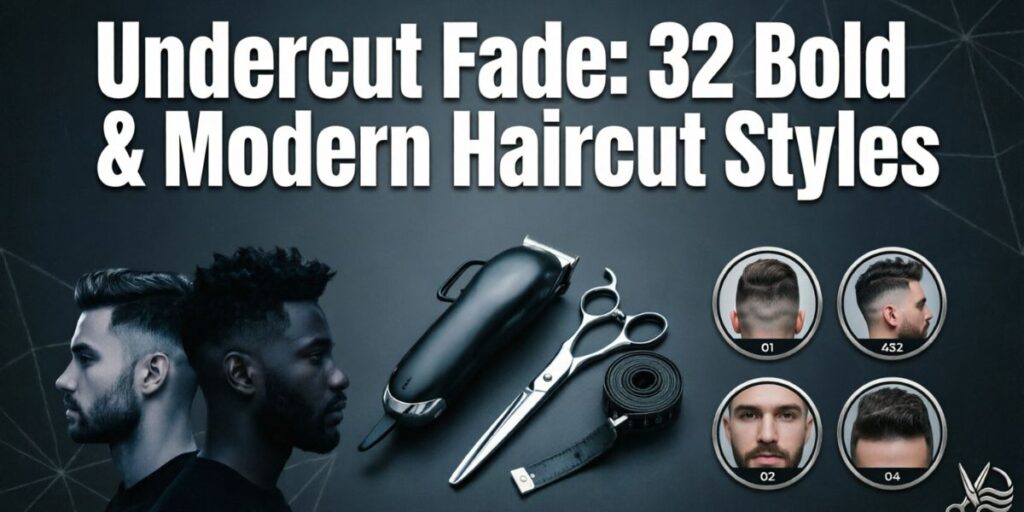
If you’ve been thinking about switching up your look, the undercut fade might be exactly what you’ve been missing. It’s one of those rare haircuts that sits perfectly between bold and refined — sharp enough to turn heads, yet versatile enough to wear to the office on Monday and a night out on Friday.
In this guide, we break down everything you need to know: what the undercut fade actually is, why it’s dominating barbershops in 2026, the 32 best variations to try, and how to maintain the look between visits. Whether you have curly, straight, thick, or wavy hair — there’s an undercut fade built for you.
What Is an Undercut Fade?
The Basics of the Undercut
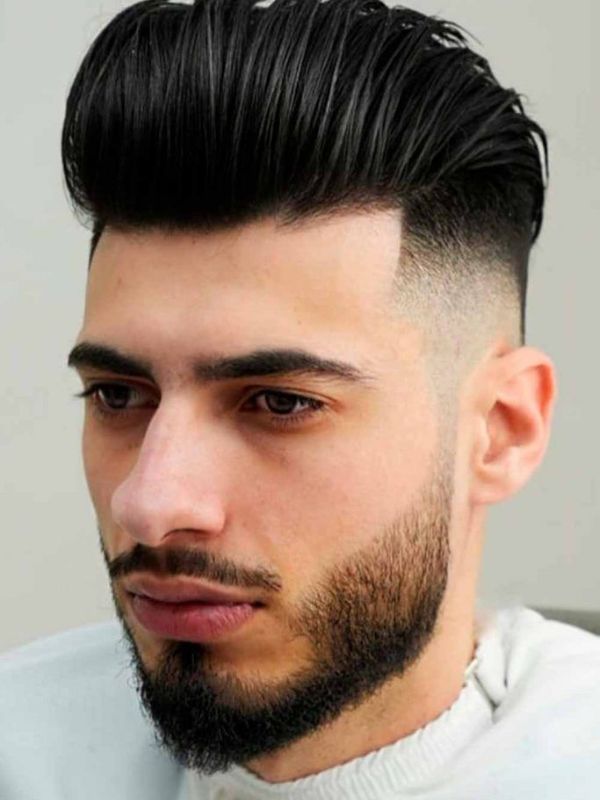
The undercut is one of men’s grooming’s most enduring silhouettes. At its core, it features longer hair left on top while the sides and back are cut significantly shorter — often to a uniform length or shaved close to the scalp. The result is a stark, deliberate contrast between the top section and the sides.
What makes the undercut stand out from other short-sides styles is that the transition is disconnected — there’s no gradual blend. The barber essentially “undercuts” beneath the longer top section, creating a hard visual line where the two lengths meet.
The style has roots going back to early 20th-century working-class Britain and later became associated with rock-and-roll culture in the 1970s and 80s. Today, it’s a mainstream grooming staple worn by everyone from office professionals to athletes.
What Makes It a Fade?
A fade is a specific barbering technique — not a haircut in itself. It refers to a gradual tapering of the hair from a longer length down to near-zero or skin level, using clipper guards in decreasing sizes. The result is a smooth, seamless gradient where hair appears to “fade” into the skin.
Fades are categorized by where on the head the tapering begins:
| Fade Type | Starting Point | Best For |
| Low Fade | Just above the ear | Professional, subtle looks |
| Mid Fade | Around the temple | Balanced, everyday style |
| High Fade | Near the top of the sides | Bold, high-contrast looks |
| Skin/Bald Fade | Tapers all the way to skin | Maximum edge and definition |
How Does the Undercut Fade Combine the Two Styles?
The undercut fade merges both techniques into a single, cohesive cut. The barber keeps the top section long (as in a traditional undercut) while applying a fade to the sides and back instead of cutting them to a uniform short length.
This gives you the best of both worlds: the strong top-to-side contrast of an undercut, plus the clean, polished gradient of a fade. The sides look sharp and modern without a blunt, hard line — making it more wearable across different settings and face shapes.
Why the Undercut Fade Is Trending in 2026?
Popular Among Celebrities & Influencers
Few things accelerate a haircut trend faster than seeing it on the right faces. The undercut fade has had no shortage of high-profile advocates.
Zayn Malik
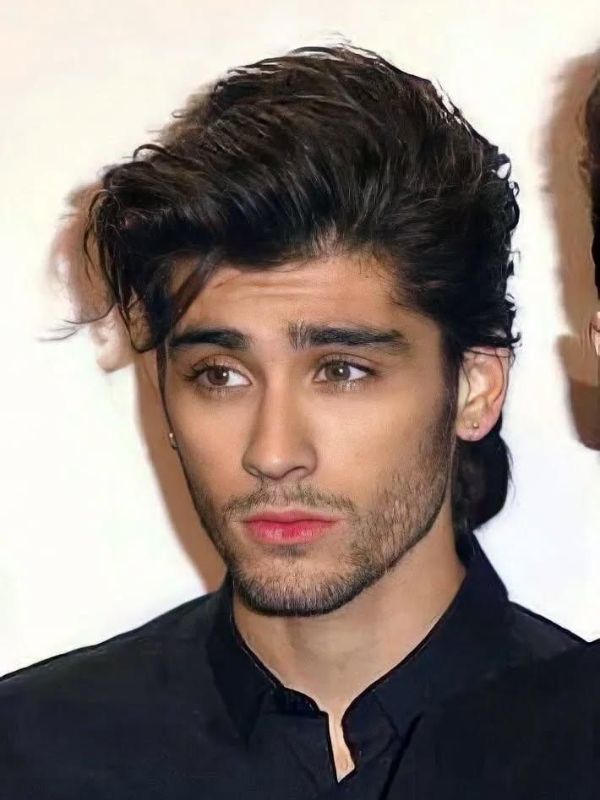
Zayn has been redefining men’s hair aesthetics for over a decade. His signature take on the undercut fade leans artistic and textured — often styled tousled on top with a clean, defined fade at the sides. It’s effortlessly cool without looking like it tries too hard.
Brad Pitt
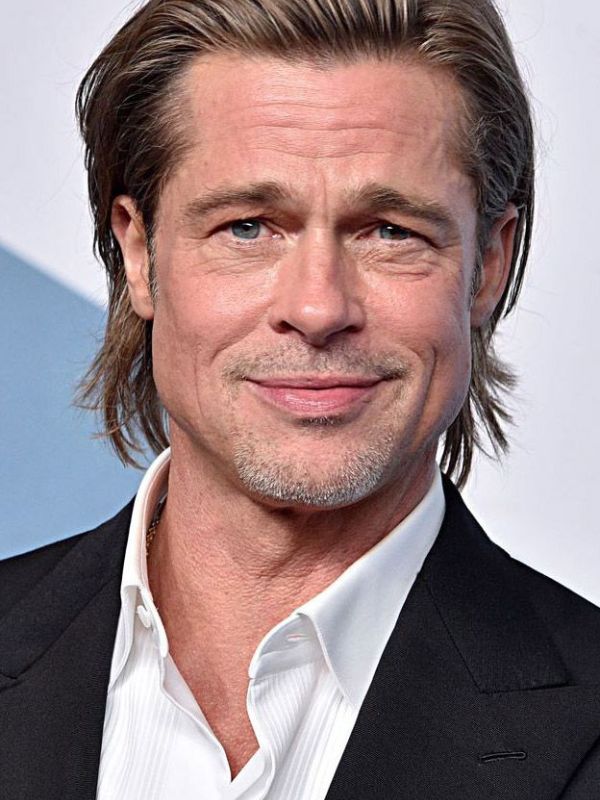
From his Fury era buzz cuts to his more recent red carpet appearances, Brad Pitt has carried slicked-back undercut fade variations with cinematic authority. His version proves the cut works just as powerfully in a tailored suit as in streetwear.
David Beckham

If there’s one person who has worn every possible variation of the undercut fade across his career, it’s Beckham. Clean, sharp, and always intentional — he treats his hair like a style statement and has shown how the cut evolves gracefully with age.
Timothée Chalamet
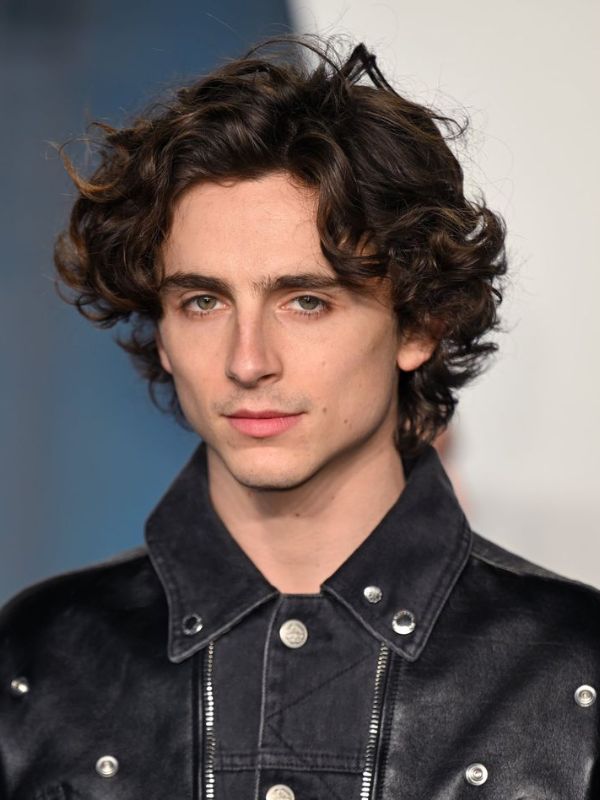
Chalamet brings a softer, more literary interpretation to the style. His undercut variations often feature a longer, slightly tousled top paired with a subtle, lower fade — giving it an artistic, almost romantic quality that feels entirely his own.
Cristiano Ronaldo
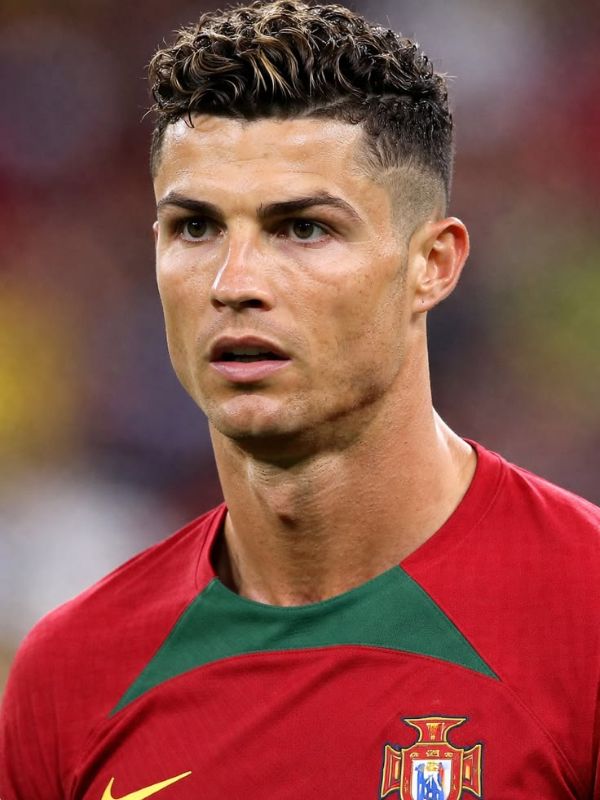
Ronaldo is known for pushing barbershop boundaries, often pairing his fades with creative designs, hard parts, and textured tops. His take on the undercut fade is always sharp, athletic, and high-impact.
Read This: Mens Shaggy Hairstyles: 37 Effortless & Cool Looks
Works with All Hair Types (Straight, Wavy, Curly)
One of the undercut fade’s biggest selling points is how universally flattering it is across different hair textures.
- Straight hair holds the shape cleanly, making it ideal for slick-back and pompadour styles
- Wavy hair gains natural volume and movement on top, creating effortless texture
- Curly hair thrives with the undercut fade — the tight, faded sides contrast beautifully with coil definition on top
- Thick or coarse hair benefits from the weight-removal an undercut provides, making it much easier to style
Modern, Versatile & Easy to Maintain
The undercut fade has a reputation for being high-maintenance, but that’s largely a myth. Yes, you’ll need a barber visit every 3–4 weeks to keep the fade crisp. But the top section? It actually grows out gracefully, giving you flexibility between appointments. It pairs well with business suits, gym clothes, streetwear, and everything in between — a truly 24/7 haircut.
Best Undercut Fade Hairstyles for Men
1. Classic Undercut Fade
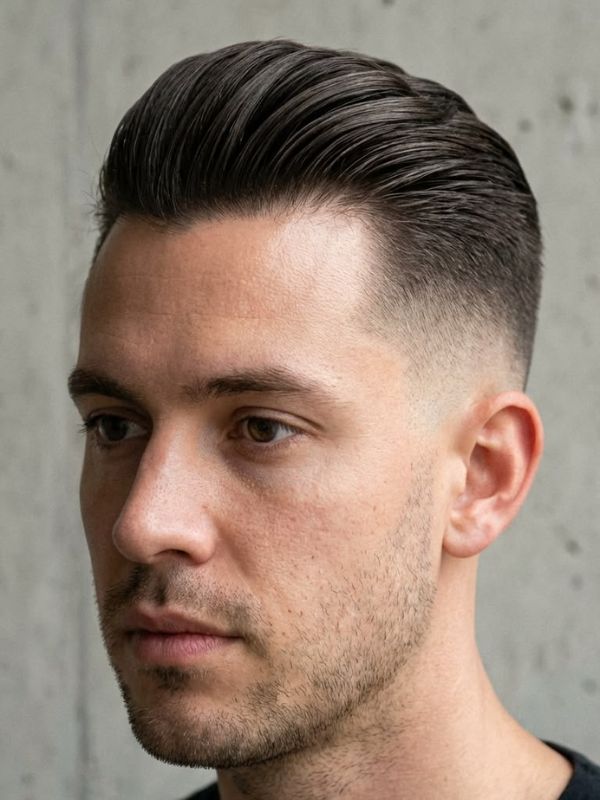
The starting point for everything. Long, side-swept or textured hair on top with a clean mid fade on the sides. Suits almost every face shape and hair type. Ask your barber for a mid fade undercut with a natural finish on top.
2. Low Undercut Fade
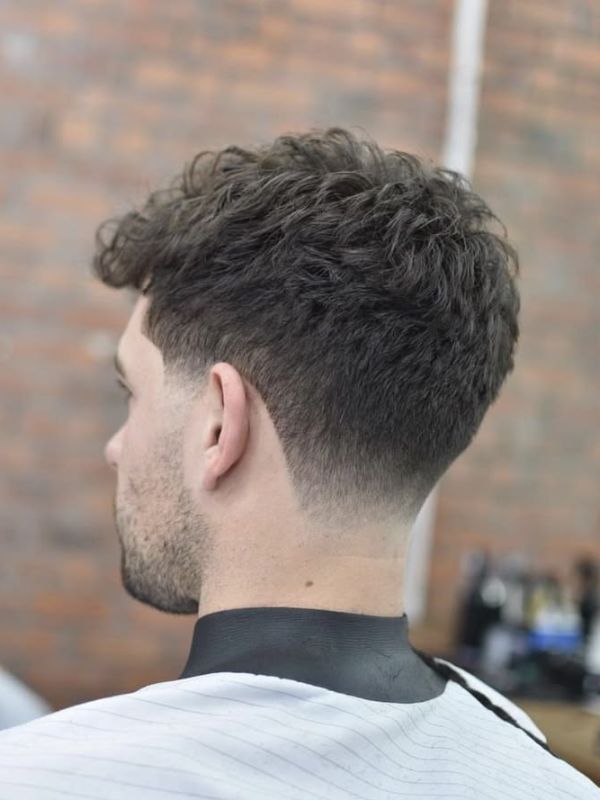
The fade starts just above the ear, making it the most professional-friendly option. Ideal for workplace settings or conservative dress codes. The contrast is subtle but still stylish — especially with a comb-over or side-parted top.
3. Mid Undercut Fade
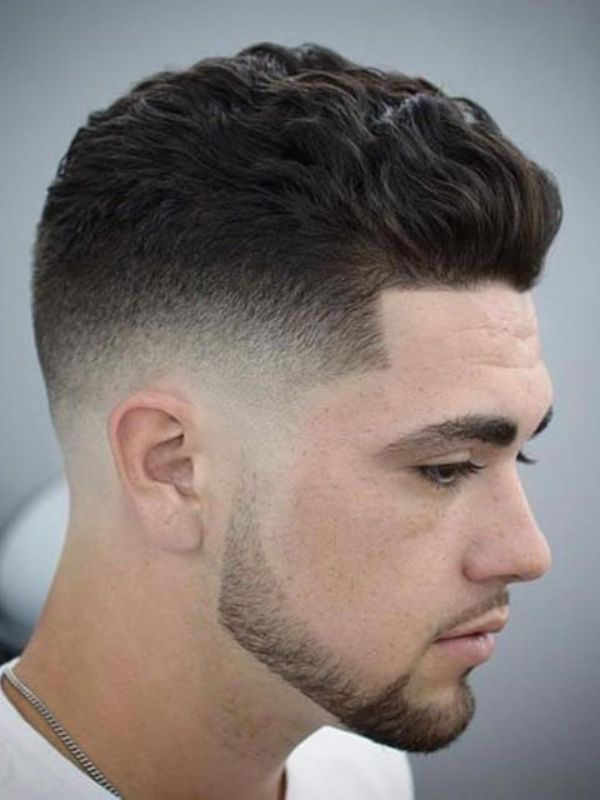
The sweet spot between subtle and bold. The fade begins around the temple area, creating a clear visual separation without going too extreme. Works beautifully with textured crops, quiffs, and brushed-back styles.
4. High Undercut Fade
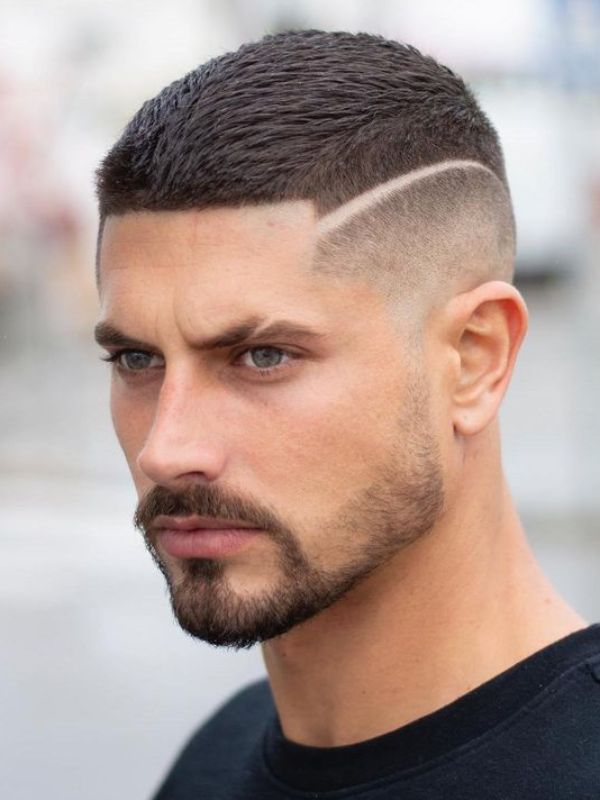
The fade kicks in high on the sides, delivering maximum contrast between the longer top and ultra-short sides. This is the go-to choice for men who want a striking, high-energy look. Best paired with a slick-back or pompadour top.
5. Skin Fade Undercut
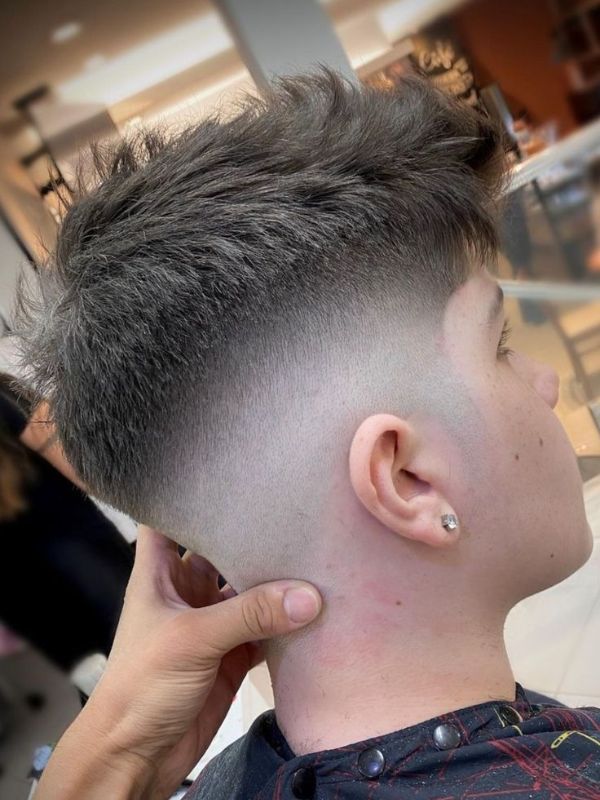
Also called a bald fade undercut, this takes the sides all the way down to the skin. The result is one of the cleanest, most dramatic looks in men’s grooming. It demands sharp styling on top to balance the boldness of the bare sides.
6. Disconnected Undercut Fade
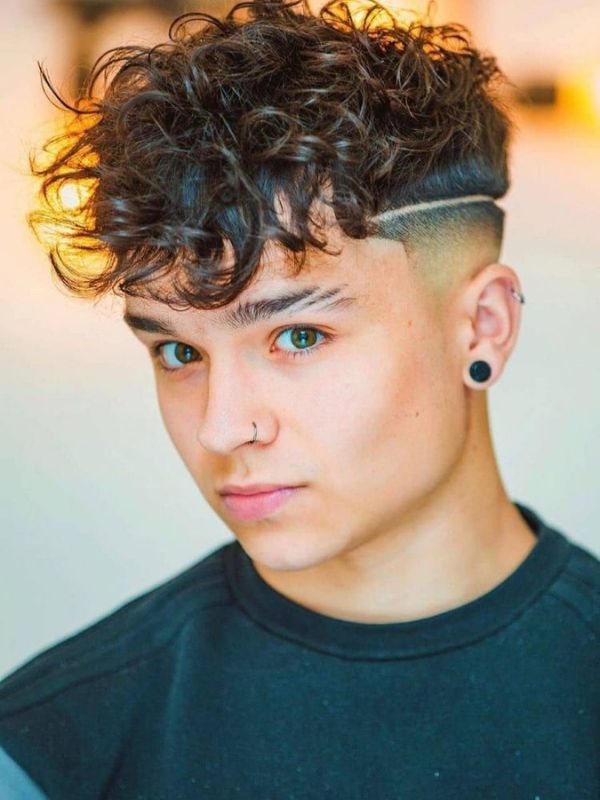
No blend whatsoever — there’s a hard, visible line between the long top and the short sides. It’s the most aggressive version of the undercut fade and is designed to make a statement. Excellent for men who want a fashion-forward, editorial look.
7. Taper Fade Undercut
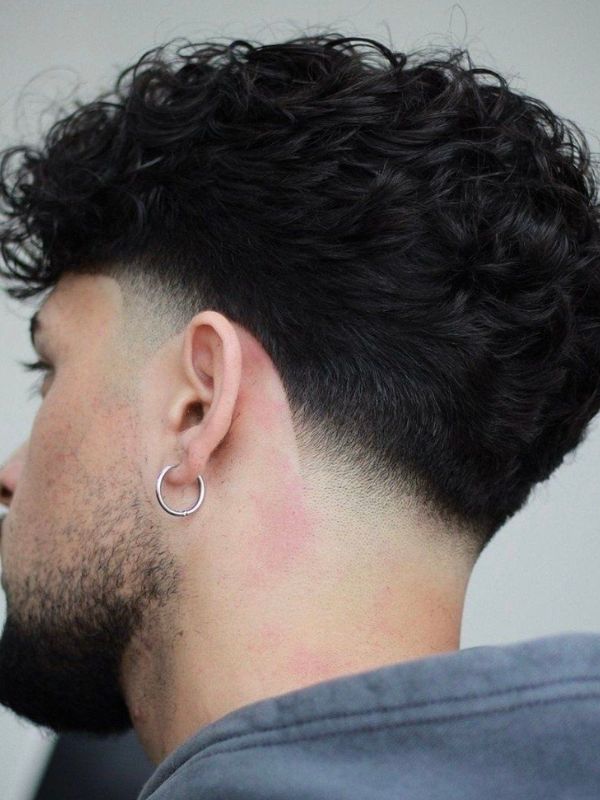
A more refined option where the fade tapers gradually toward the neckline and around the ears. It’s cleaner than a standard fade, less dramatic than a high fade, and incredibly versatile for both professional and casual settings.
8. Burst Fade Undercut
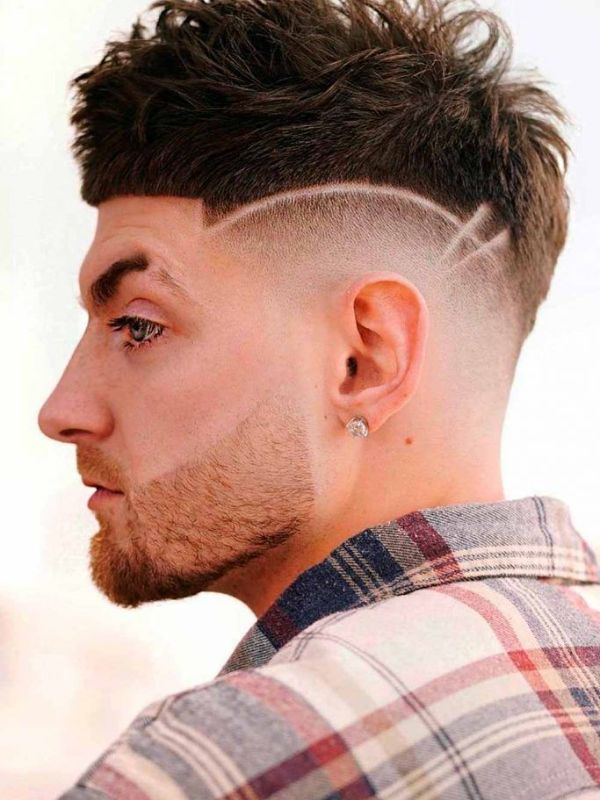
The fade radiates outward in a semicircle around the ear, creating a sunburst effect. It’s a unique, eye-catching variation that works particularly well with curly or textured tops — giving the hair a sculpted, artistic quality.
9. Drop Fade Undercut
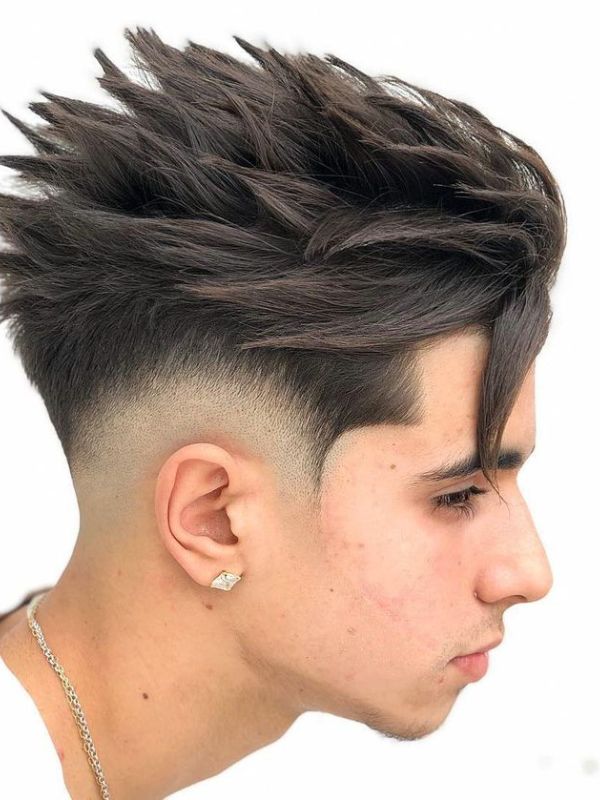
The fade line curves downward behind the ear, following the natural contour of the head. The result is a smooth, flowing shape that looks especially clean when paired with a pompadour or side-swept top.
10. Bald Fade Undercut
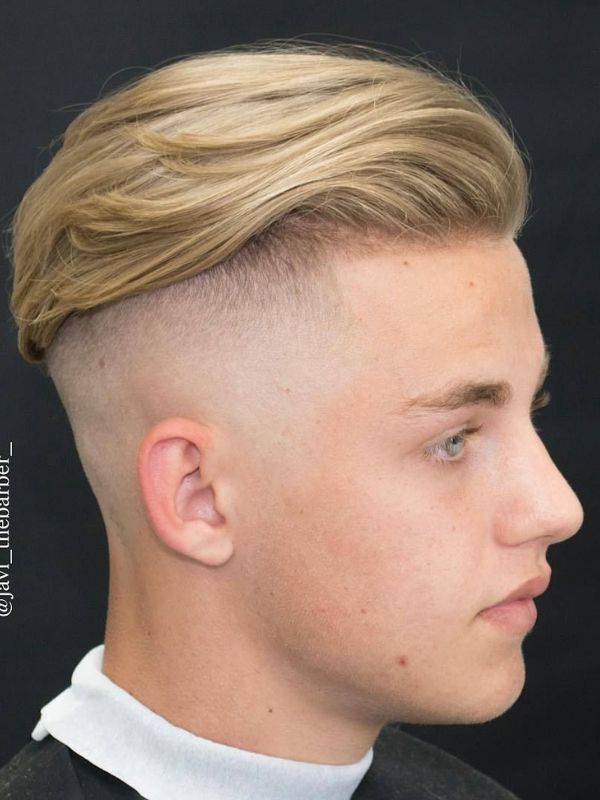
Similar to the skin fade but with an even sharper, more defined cut-off. The sides are completely bare with no gradation — just pure skin. Extremely bold and requires a confident top style to match its intensity.
Undercut Fade Variations by Hair Type & Style
1. Curly Hair with Undercut Fade
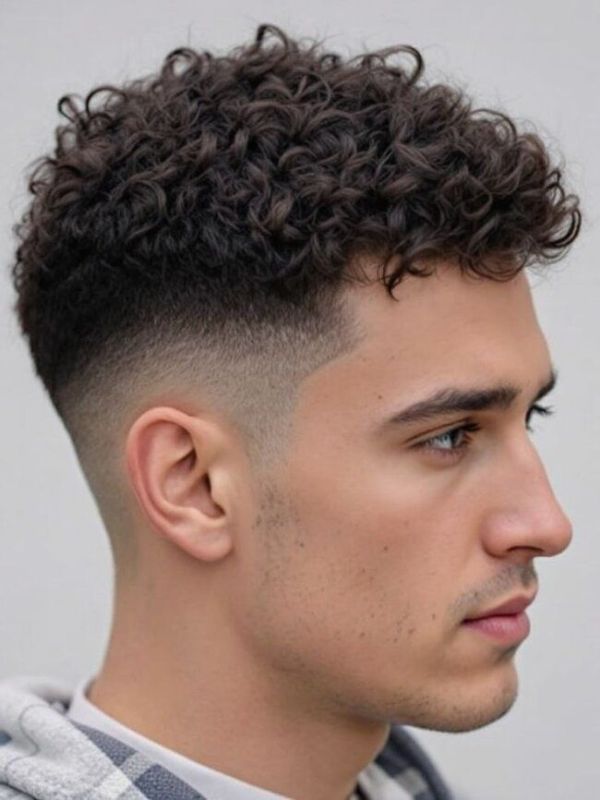
Curls thrive when the sides are tight. A mid or high skin fade with defined curls on top creates extraordinary contrast. Use a curl-defining cream to keep the coils structured and separated.
2. Wavy Hair Undercut Fade
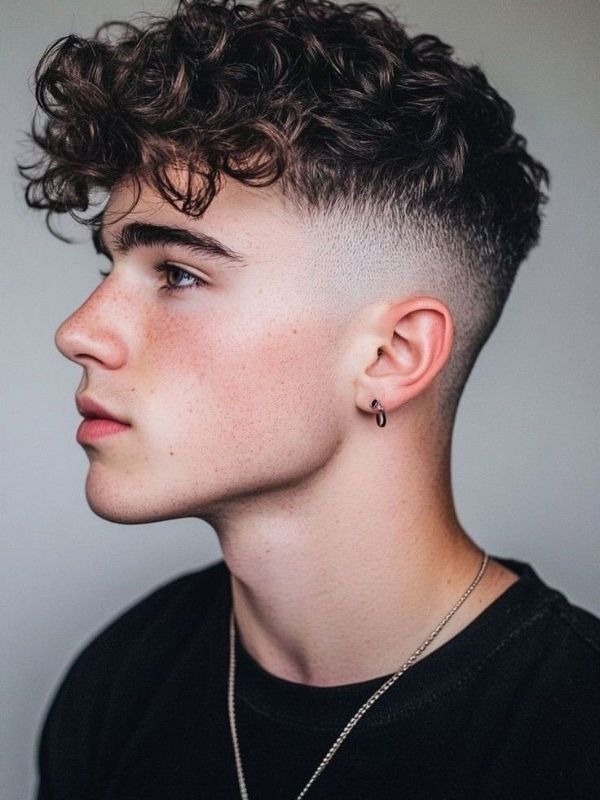
Wavy hair naturally creates movement and texture, making it perfect for a low or mid undercut fade. Style the top with a sea salt spray for that effortless, beachy-but-groomed finish.
3. Thick Hair + High Fade Undercut
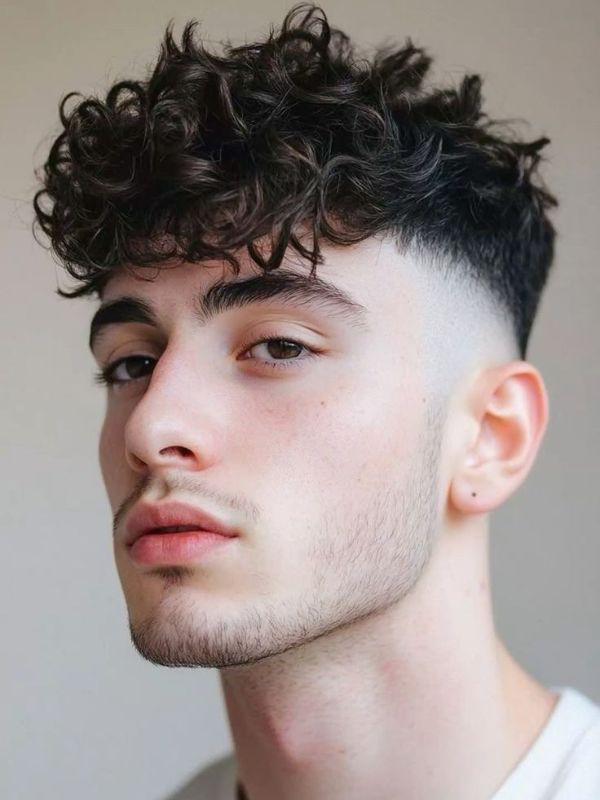
Thick hair can look overwhelming without the right cut. A high fade removes the bulk from the sides while leaving enough volume on top to work with. Ideal for creating a structured pompadour or brushed-back look.
4. Straight Hair & Pompadour Undercut Fade
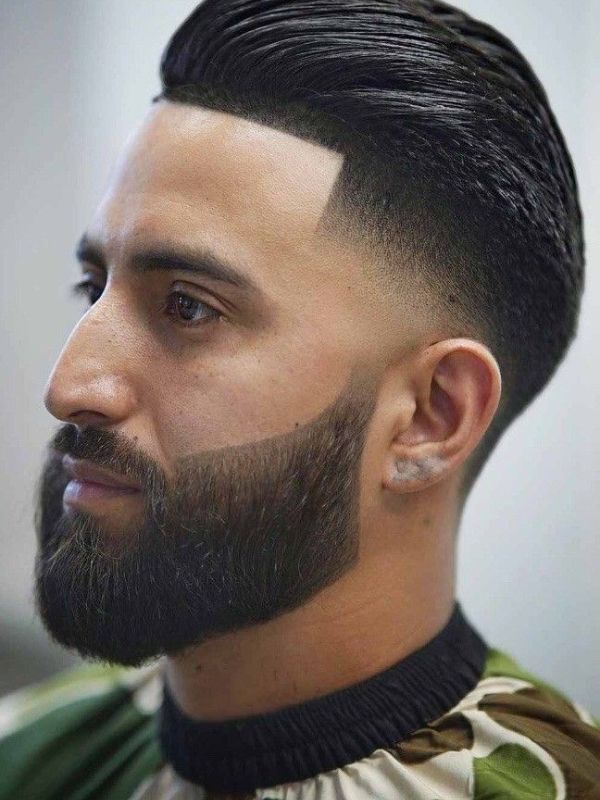
Straight hair and a pompadour are a natural pairing. The hair lies flat naturally, making it easy to sweep back with volume at the front. Add a high fade for modern contrast.
5. Slick Back Fade Undercut
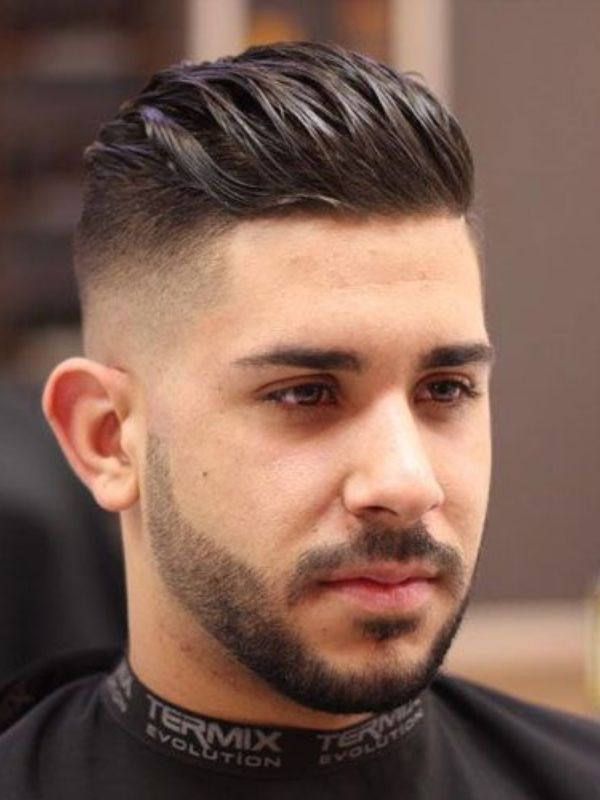
Comb everything straight back with a medium-hold pomade and let the fade do the work on the sides. It’s clean, sophisticated, and works brilliantly for both boardrooms and evening events.
6. Mohawk Undercut Fade
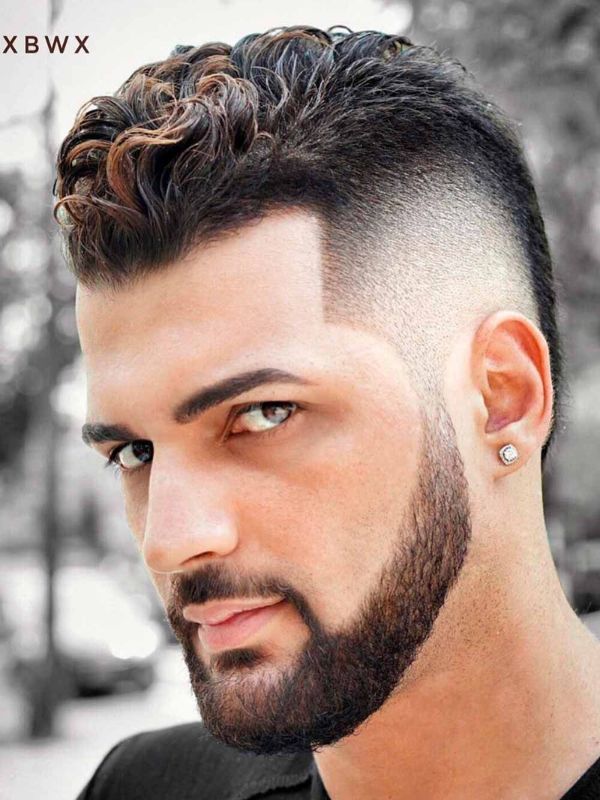
Strip the sides down to skin and leave a strip of longer hair running from forehead to crown. The fade adds refinement to what would otherwise be an extreme style — making it more wearable for everyday use.
7. Man Bun with Undercut Fade
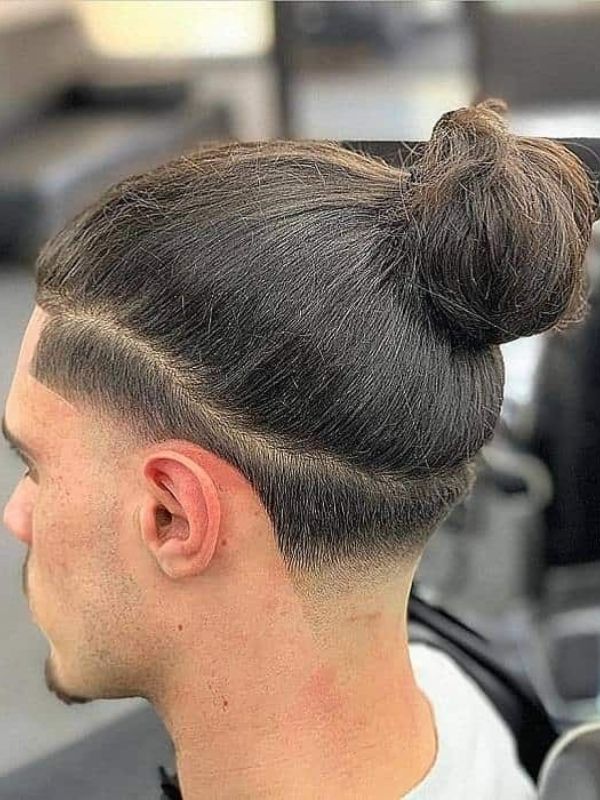
For men with longer hair, a man bun paired with a skin or high fade creates a beautifully balanced look. The clean sides offset the bulk of the bun, preventing the overall style from looking heavy.
8. Undercut Fade with Beard
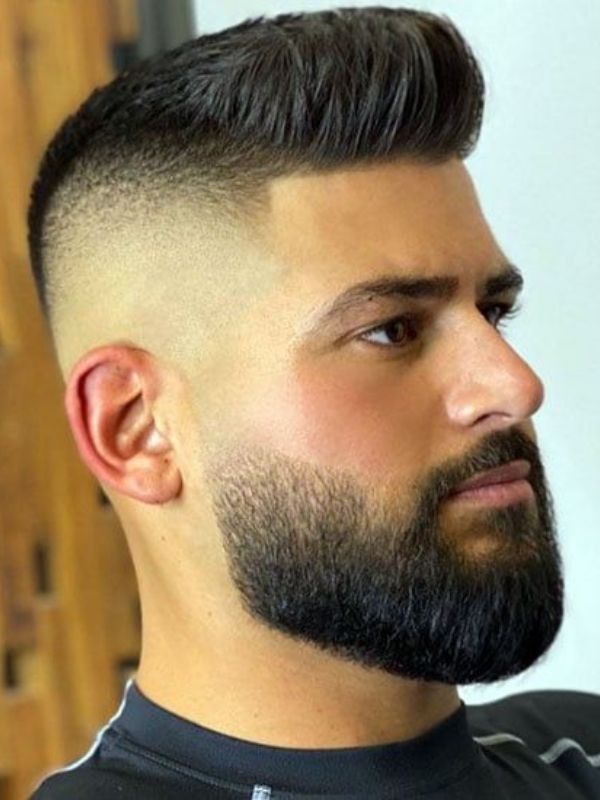
The undercut fade connects seamlessly with a beard when the fade tapers down toward the jawline. A mid fade that blends into a full, trimmed beard creates a cohesive, masculine silhouette that’s hard to beat.
9. Afro + Bald Fade Undercut
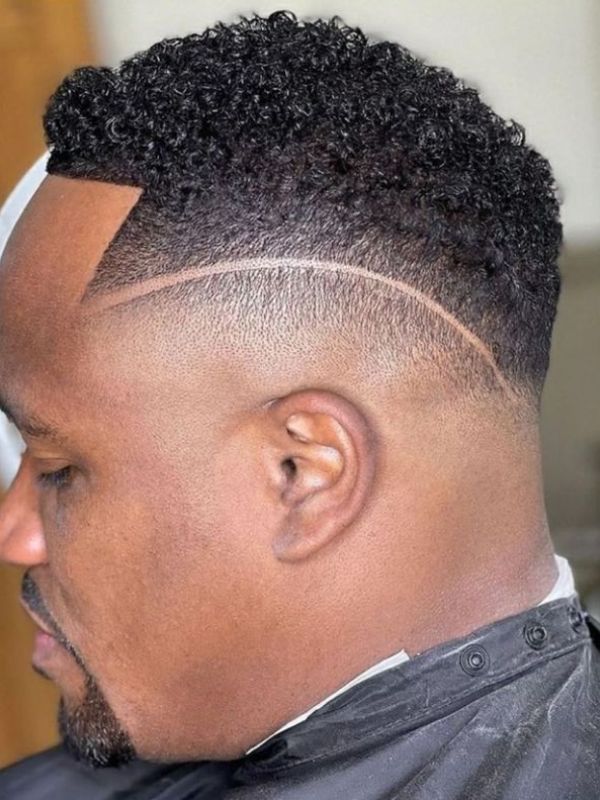
Natural Afro texture on top with a bald or skin fade creates incredible contrast and visual drama. It celebrates natural hair texture while giving the shape a sharp, modern edge. One of the most visually striking variations in this list.
10. Textured Fringe or Quiff Undercut Fade
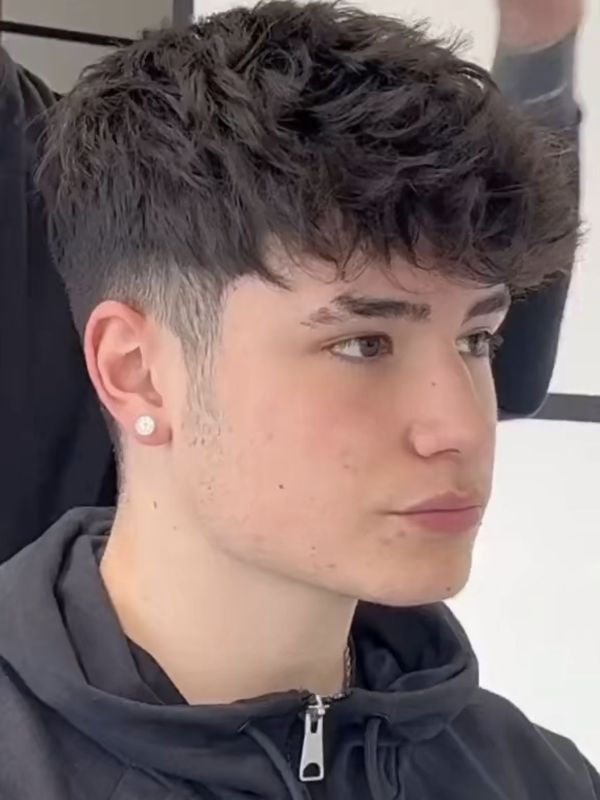
A quiff or forward-styled fringe with a mid undercut fade is one of the most popular combinations in 2026. It has energy, movement, and personality — and it transitions easily from daytime to evening without restyling.
Choosing the Right Undercut Fade for You
Based on Face Shape
| Face Shape | Recommended Style |
| Oval | Any variation — this is the most versatile shape |
| Square | Low or mid fade with textured top to soften angles |
| Round | High fade with volume on top to elongate the face |
| Oblong/Long | Low fade with wider styling on top to add width |
| Heart | Mid fade with fringe or textured crop to balance the forehead |
| Diamond | Mid fade with a quiff to widen the forehead |
Based on Lifestyle & Maintenance Level
Low maintenance: Go for a low or mid taper fade — it grows out more naturally and doesn’t look obviously unkempt between cuts.
Medium maintenance: A mid fade undercut with a textured or wavy top. Needs a barber visit every 3–4 weeks and a few minutes of styling daily.
High maintenance: Skin fade or disconnected undercut. Requires touch-ups every 2–3 weeks and consistent styling to look intentional rather than overgrown.
Professional vs. Edgy Looks
- Professional environments: Low fade, taper fade undercut, side-parted or comb-over top
- Creative or casual settings: Mid or high fade, textured quiff, man bun variation
- Fashion-forward or editorial: Disconnected undercut, skin fade mohawk, burst fade
How to Style and Maintain an Undercut Fade?
Essential Tools & Products
To get the most out of your undercut fade, keep these in your grooming kit:
- Matte clay – For textured, natural-finish styles with medium hold
- Pomade – For slick-back or combed styles that need shine and control
- Sea salt spray – For wavy or textured tops; adds volume and grit
- Hair dryer + round brush – Essential for volume and pompadour styling
- Boar bristle brush – Great for smoothing and distributing product
- Edge trimmer – For cleaning up your own hairline between barber visits
Styling Tips for Everyday Looks
- Start with slightly damp hair — dry hair is harder to shape
- Apply product sparingly from mid-length to ends, then distribute through the roots
- Use a hair dryer to set the shape before finishing with product for hold
- For volume, blow-dry upward and back; for slick styles, blow downward and smooth
- Finish with a light touch of pomade or wax to define the shape
How Often to Get It Trimmed
| Fade Type | Recommended Trim Frequency |
| Skin/Bald Fade | Every 2–3 weeks |
| High Fade | Every 3 weeks |
| Mid Fade | Every 3–4 weeks |
| Low Fade / Taper | Every 4–5 weeks |
Undercut vs Fade vs Taper – Key Differences
Undercut vs Fade
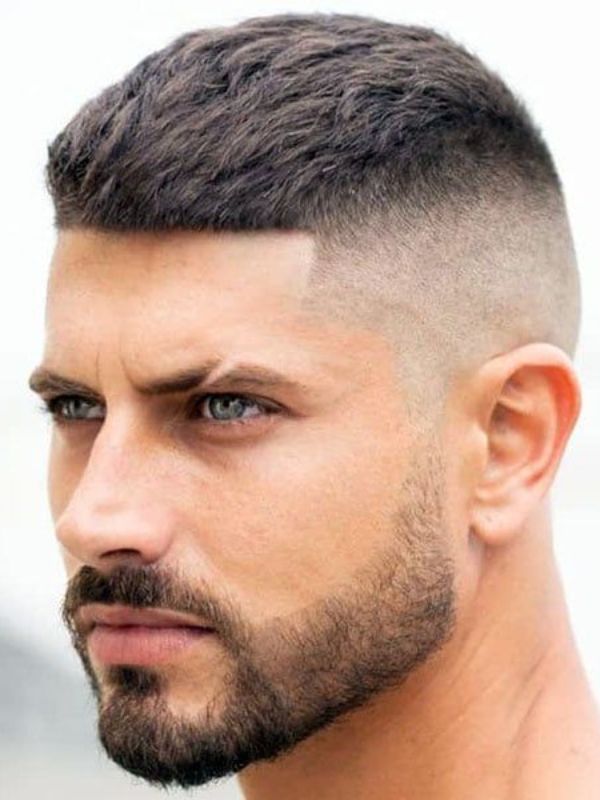
| Feature | Undercut | Fade |
| Sides | Uniformly short or shaved | Gradually tapered |
| Transition | Hard, disconnected | Smooth gradient |
| Maintenance | Lower frequency | Needs regular touch-ups |
| Best for | Bold contrast, editorial looks | Clean, versatile everyday wear |
Fade vs Taper
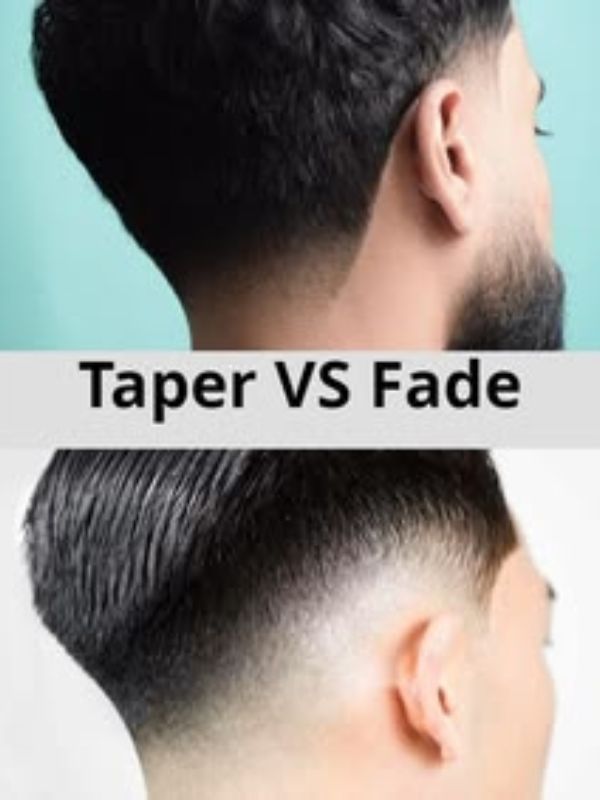
A fade takes the hair all the way down to skin (or near-skin), while a taper simply reduces the length gradually without necessarily going to zero. Tapers look more conservative and suit formal environments. Fades are sharper, more defined, and work better with bold top styles.
When to Choose Each
- Choose an undercut if you want maximum contrast and a structured, bold statement
- Choose a fade if you want a clean, modern look with smooth lines that suits any setting
- Choose a taper if you’re in a conservative professional environment or want lower maintenance upkeep
Explore More Styles
Pompadour Haircuts
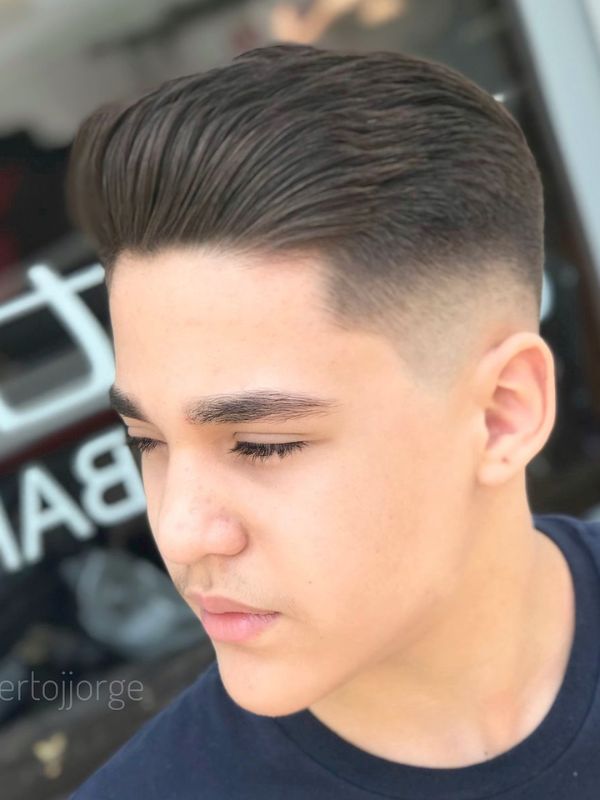
The pompadour is one of the best top styles to pair with an undercut fade. Its swept-back volume creates a powerful silhouette, especially when the sides are faded high.
Skin Fades
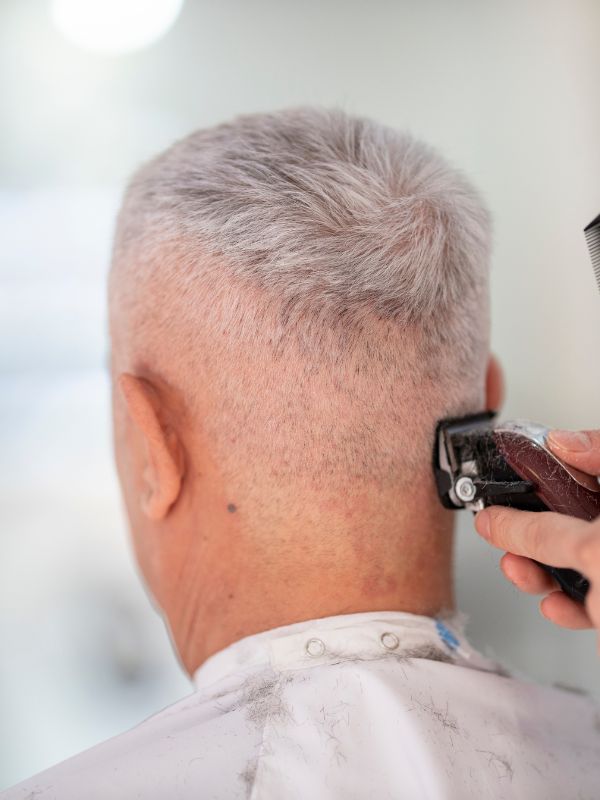
If you love maximum contrast, explore dedicated skin fade guides — these take the fade all the way to bare skin and are popular with short and long tops alike.
Disconnected Undercuts
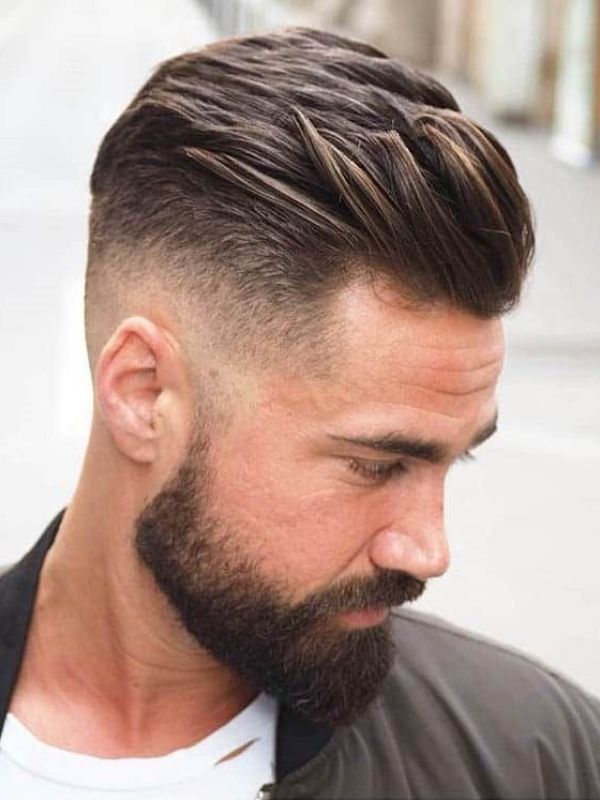
A hard, disconnected undercut (with no fade) delivers the most extreme contrast. It’s a purely fashion-forward choice and looks incredible with slick-back or pompadour tops.
Read This: 29 Best Long Top Short Sides Men’s Haircuts (2026 Guide)
Best Hairstyles for 2026
Looking ahead to 2026, expect textured mid-length styles, soft modern mullets, and refined burst fades to dominate — all of which pair naturally with the undercut fade technique.
Final Thoughts
The undercut fade isn’t a trend that comes and goes — it’s a foundational men’s haircut that evolves with every season. It works across face shapes, hair types, and lifestyles, and it strikes a balance between sharp precision and wearable style that few other cuts can match.
Whether you’re stepping into the barbershop for the first time or refreshing a style you’ve worn for years, there’s a version of the undercut fade that fits your life. Show your barber a photo, communicate how much maintenance you’re willing to commit to, and let the clipper work do the rest.
