

Walk into any barbershop today and you’ll hear the same request repeated over and over: “short on the sides, longer on top.” It’s not a trend — it’s become the default modern men’s haircut. And for good reason. The long top short sides style is endlessly versatile, works across hair types, face shapes, and lifestyles, and looks equally sharp in a boardroom or at a weekend cookout.
This guide covers everything — from how to choose the right variation for your face and hair type, to detailed styling tips for all 29 styles, beard combinations, fade options, and exactly how to communicate your vision to your barber.
What Makes a Long Top Short Sides Haircut So Popular?
There’s a reason this style has dominated barbershops for over a decade and shows no signs of slowing down in 2026.
It’s a blank canvas. The short sides — whether a low taper, mid fade, high fade, or skin fade — do the heavy structural work automatically. The contrast between cropped sides and longer top creates instant visual sharpness without you having to do much at all. Meanwhile, the top gives you full creative control. You can slick it back, push it forward, spike it, leave it messy, or wear a hard part — all with the same underlying cut.
It suits almost every man. Round face? Add height on top. Square jaw? A soft side sweep softens the angles. Thinning hair? A tight fade draws attention away from the top. Thick, curly hair? Let the volume work for you.
Maintenance is flexible. You can refresh the sides every 2–3 weeks and let the top grow out between visits with minimal styling effort. A single versatile product — a medium-hold clay or pomade — handles most of the day-to-day styling.
It pairs well with everything. Beards, tattoos, glasses, formal attire — the long top short sides cut works alongside all of them without clashing.
How to Choose the Best Long Top Short Sides Style for You?
Before picking a specific style, consider these three factors. Getting them right means you’ll leave the barbershop happy every single time.
1. Consider Your Hair Type (Straight, Wavy, Curly, Thick, Thin)
Your natural hair texture is the single biggest factor in which styles are realistic for you — and which ones will fight you every morning.
| Hair Type | Best Styles | Avoid |
| Straight | Pompadour, slick back, side part, French crop | Styles that rely on natural curl definition |
| Wavy | Quiff, messy textured top, brushed-back styles | Hard slick-backs (too stiff) |
| Curly | High top fade, curly quiff, voluminous styles | Styles requiring flat, sleek finishes |
| Thick | Most styles work — embrace volume | Ultra-flat slick-backs without product |
| Thin/Fine | Textured styles, French crop, messy looks | Very long tops (adds limpness) |
2. Consider Your Face Shape
- Oval face: Lucky — almost every style works. Go for whatever appeals to you most.
- Round face: Opt for styles with height on top (pompadour, quiff, high fade) to elongate the face. Avoid very flat tops or wide, round silhouettes.
- Square face: Softer styles work best — side sweeps, textured messy tops, or a low taper. The hard angles of the face already provide structure.
- Oblong/rectangular face: Keep volume on the sides or go with a low-fade rather than a skin fade, which can elongate the face further.
- Diamond face: Side sweeps and styles with volume at the sides balance the narrow chin and forehead.
3. Consider Your Lifestyle & Maintenance Level
Be honest with yourself about how much time you’ll put into styling.
- 5 minutes or less: Go for a textured, messy-friendly cut — a mid-fade with a choppy top that can air-dry and still look intentional.
- 10–15 minutes: A pompadour or quiff with a blow-dryer and pomade. Looks polished; requires consistent effort.
- Low barber budget: A taper fade holds its shape longer than a skin fade, meaning longer between visits.
- Professional settings: Slick back, comb over, or side part with a mid or low fade tends to read as most polished.
Best Long Top Short Sides Men’s Haircuts (With Styling Tips)
1. Modern Pompadour Fade
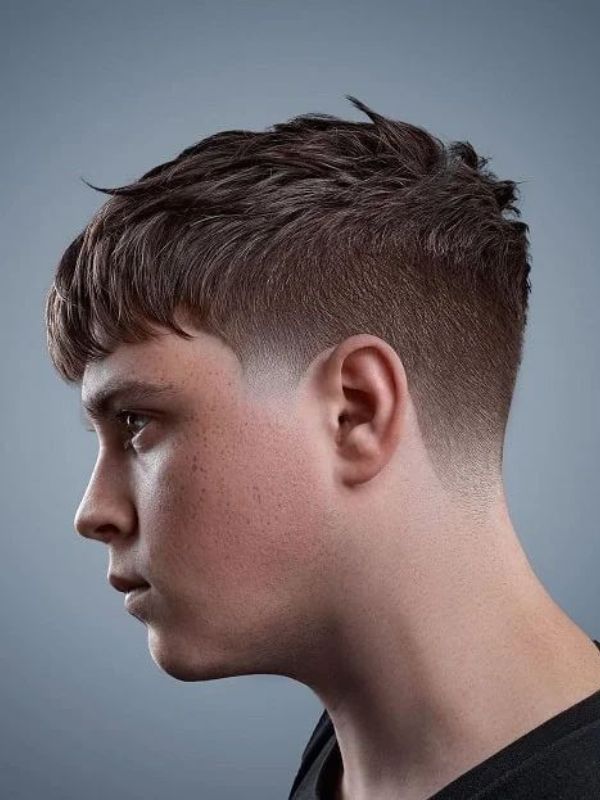
The pompadour is arguably the most iconic long-on-top style. The modern version replaces the heavily-gelled retro look with volume, texture, and a clean fade on the sides. The top is swept upward and back, creating height that draws the eye upward — ideal for round or square faces.
Styling tip: Blow-dry with a round brush, lifting from the roots. Finish with a medium-hold pomade worked through from mid-length to tip.
2. Long Quiff with Tapered Sides
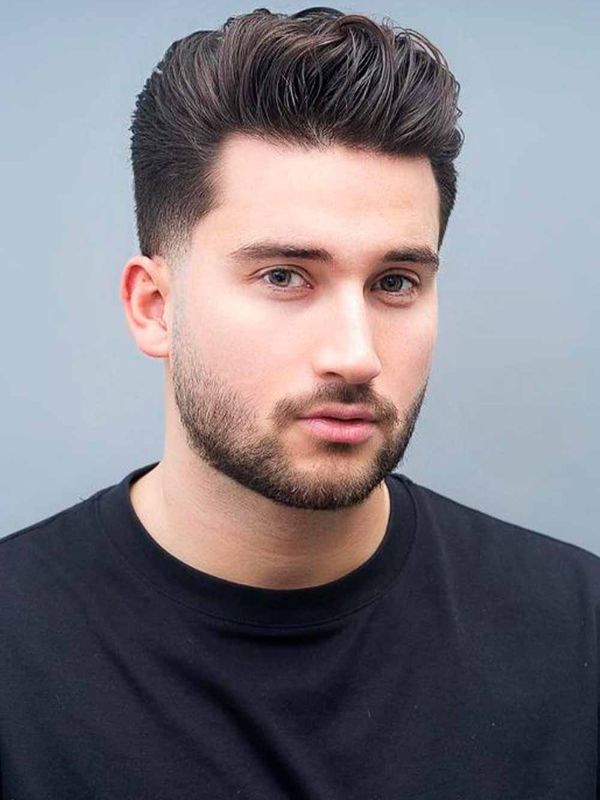
The quiff is the everyday workhouse of this category — the quintessential long-top-short-sides style. Hair at the front is pushed upward and slightly back, creating volume without the full height of a pompadour. A tapered side keeps it polished rather than edgy.
Styling tip: Apply a texturizing cream to towel-dried hair, blow-dry forward and up, then use a small amount of clay to define the front section.
3. Undercut with Long Top
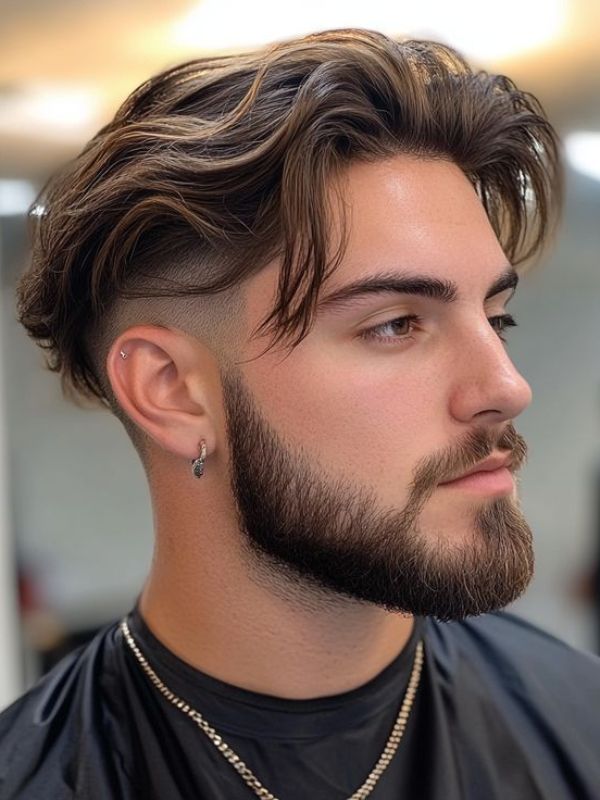
The undercut creates a hard, disconnected contrast between a very short (sometimes shaved) side and a longer top. It’s bold and modern — the separation line is visible rather than blended.
Styling tip: Sea salt spray on the top section gives grip and texture without the stiff look of gel. Let the contrast speak for itself.
4. Slicked-Back Long Top with Skin Fade
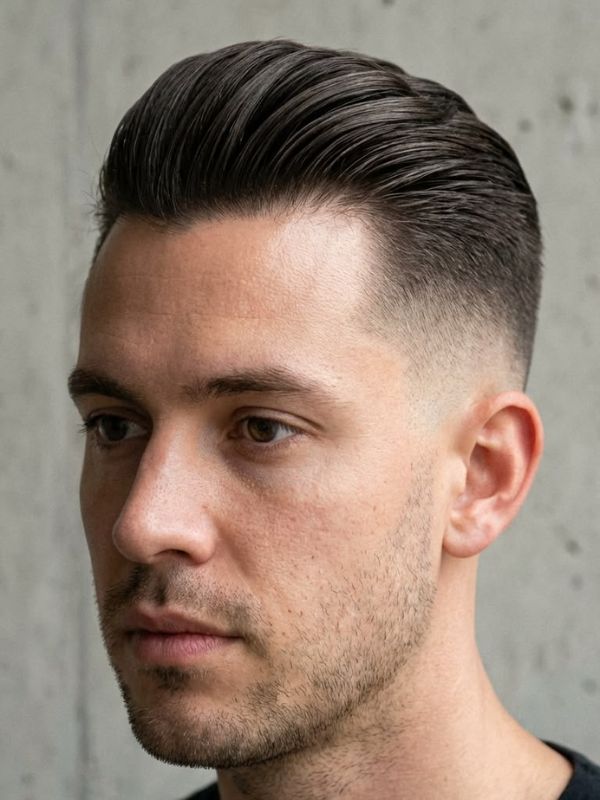
This is the executive version of the style. A high skin fade on the sides transitions dramatically to long hair on top, swept cleanly backward. The overall silhouette is powerful and refined.
Styling tip: Apply a high-shine pomade evenly to slightly damp hair. Use a fine-tooth comb to drag everything straight back. Keep the sides clean with regular barber visits.
5. High Fade with Brushed-Back Top
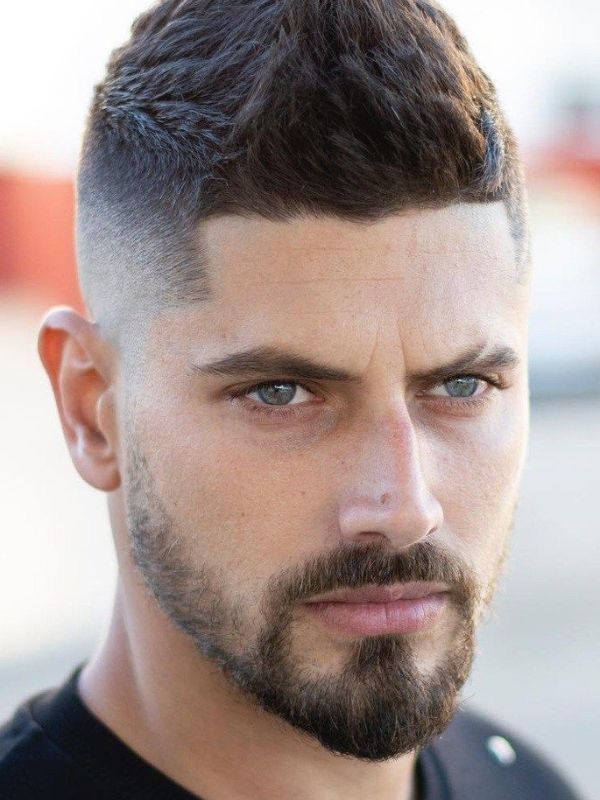
Similar to the slick back but with more texture and movement. The hair on top is brushed back rather than slicked, so it sits with natural body rather than a polished finish. Great for thicker hair that resists lying flat.
Styling tip: Blow-dry backward with a vent brush. Use a light-hold spray or wax rather than pomade to keep the texture.
Read This: Mid Fade Haircut: 21 Styles That Stay Sharp Longer
6. Side-Swept Fringe with Short Sides
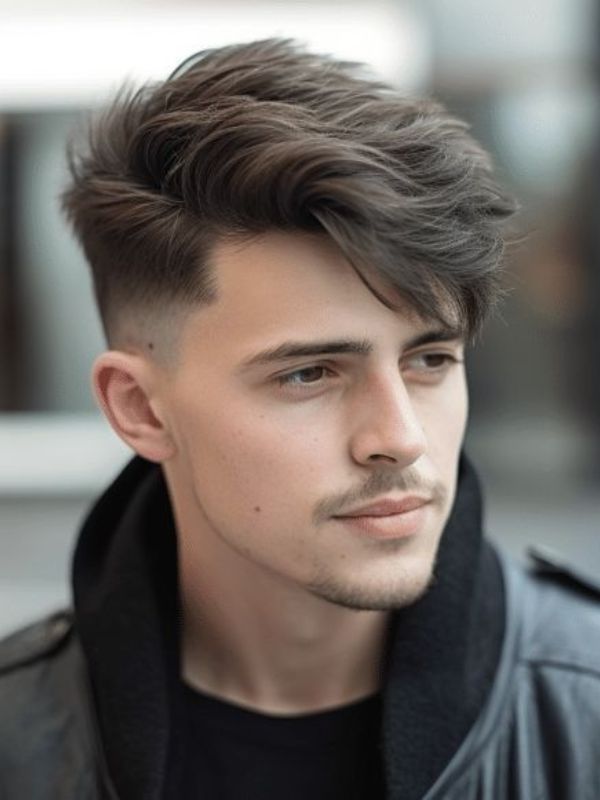
A softer, more European-influenced style. The top section falls diagonally across the forehead in a sweeping fringe, while the sides are kept short with a taper or low fade. Works exceptionally well for straight and wavy hair.
Styling tip: Blow-dry to the side rather than up or back. A lightweight styling cream (not wax) keeps the fringe in place without stiffness.
7. Messy Textured Top Fade
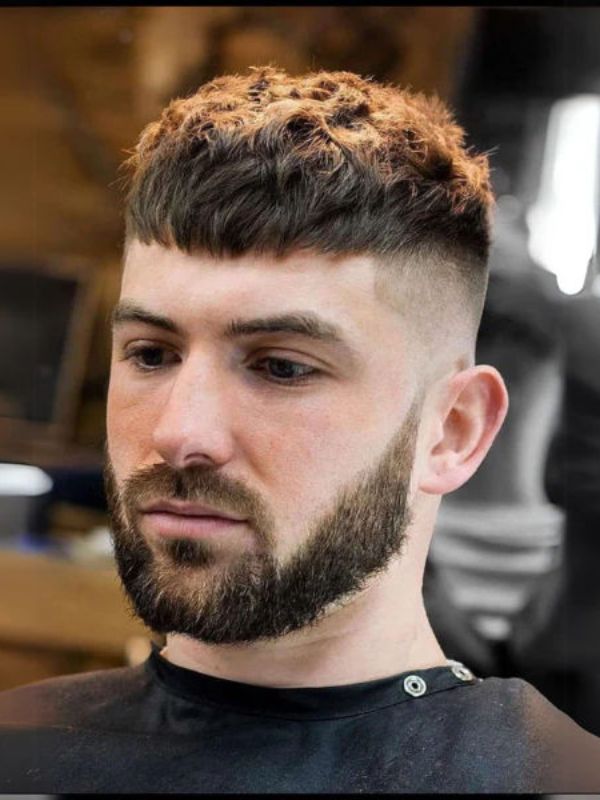
The deliberately undone look that takes about 90 seconds to style. The top is left longer and tousled, the sides are faded clean, and the contrast does all the work. This style suits almost every hair type and is especially forgiving on thin or fine hair.
Styling tip: Scrunch a matte clay through slightly damp hair and let it air-dry. Resist the urge to over-style — the messiness is the point.
8. Classic Comb Over with Short Sides
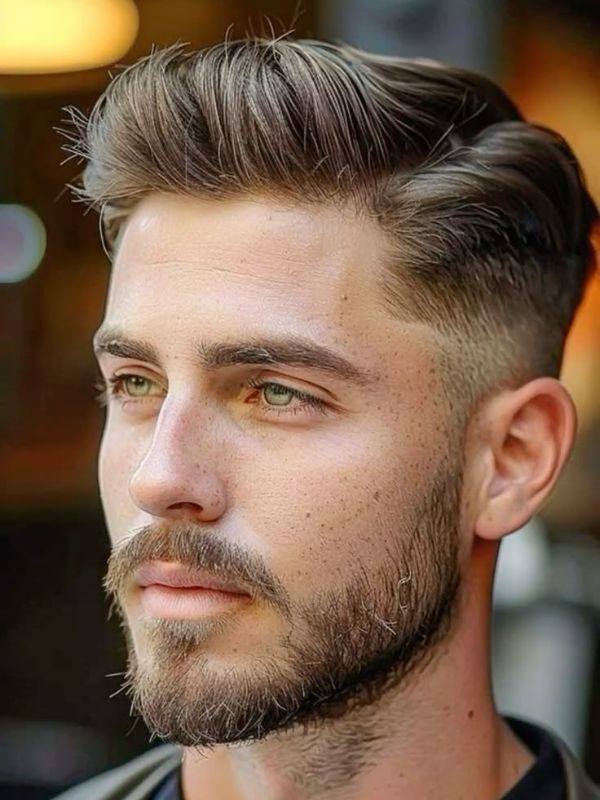
The comb over has been fully rehabilitated from its unfortunate associations. The modern version pairs a crisp fade or taper with a deep side part and hair combed cleanly to one side. Professional, classic, and endlessly sharp.
Styling tip: Use a fine-tooth comb and a medium-hold pomade. The side part should be clean and deliberate — use the comb’s tail to score a straight line if needed.
9. Wavy Quiff with Mid Fade
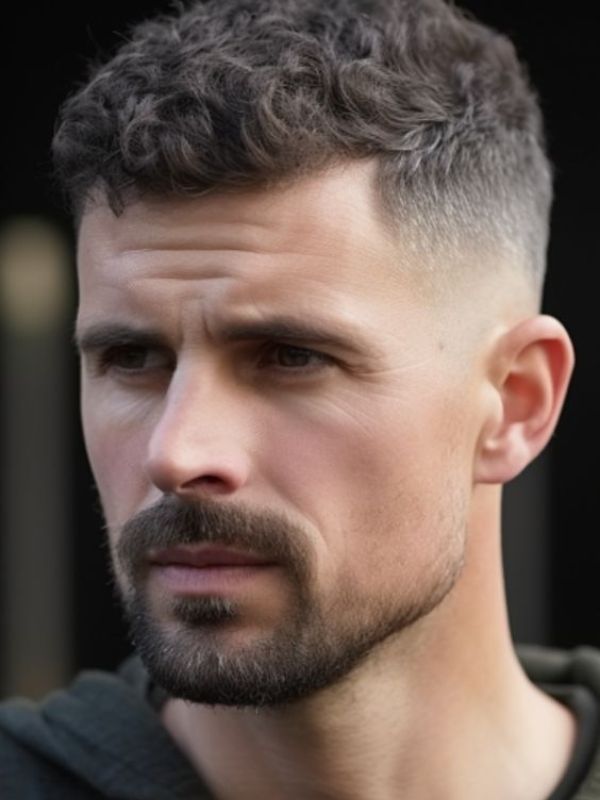
If you have naturally wavy hair, this is one of the best styles you can get. Rather than fighting the wave, this cut celebrates it — the quiff shape works perfectly with natural movement and body. A mid fade on the sides keeps everything structured.
Styling tip: Diffuse-dry or let air-dry, then use a curl-enhancing cream lightly through the top. Let the wave form naturally.
10. Layered Medium Top with Tight Sides
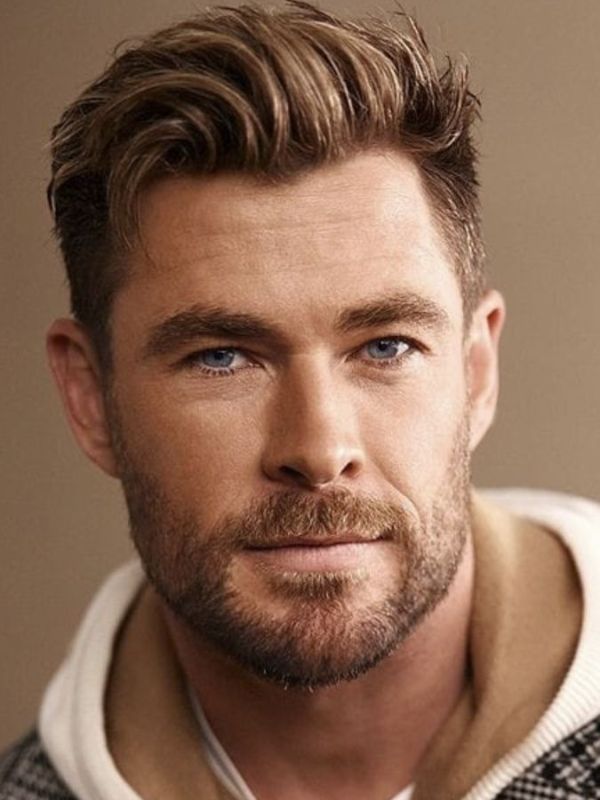
A versatile middle ground — the top is cut in layers for movement and dimension, while the sides are kept tight with a low or mid fade. This style works in virtually any professional or casual setting.
Styling tip: Apply a lightweight styling cream and finger-style for a natural, dimensional finish. Works beautifully with straight and wavy hair.
11. Disconnected Undercut with Long Top
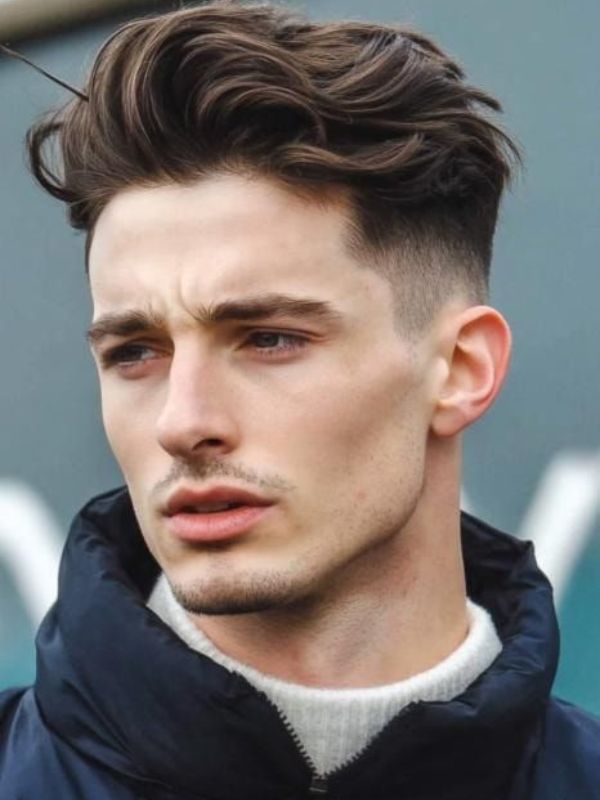
The most dramatic version of the undercut — a hard line separates the extremely short sides from a long top with visible contrast. A bold, edgy look that emphasizes length on top.
Styling tip: Use sea salt spray for volume and texture on the top. Keep the disconnection line razor-sharp with regular touch-ups.
12. Faux Hawk Fade
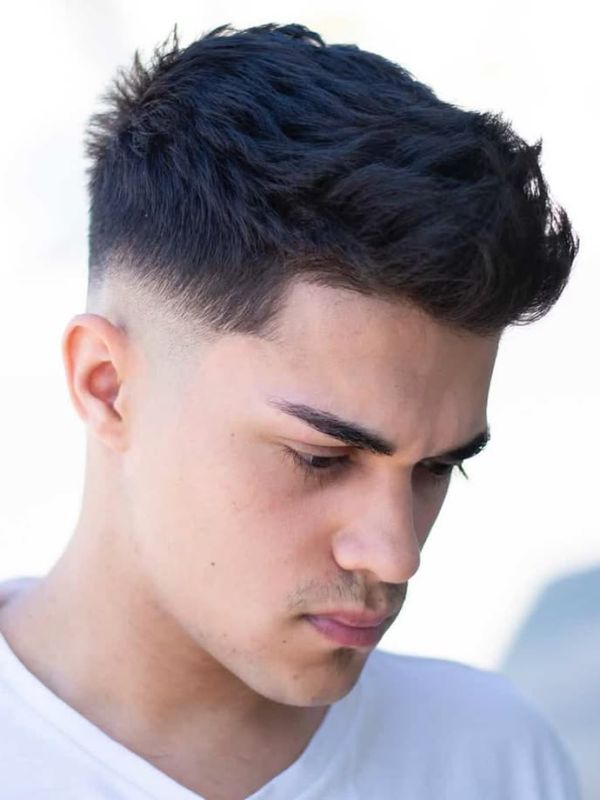
The faux hawk channels the spirit of a mohawk without the full commitment. Hair in the center of the top section is styled upward while the sides are faded or blended down. It’s bold but adaptable — you can dial it up or down depending on product and styling approach.
Styling tip: Apply a strong-hold gel or wax, then finger-style upward through the center. Use a blow-dryer for extra height.
13. Modern Bowl Cut (Long Top Version)
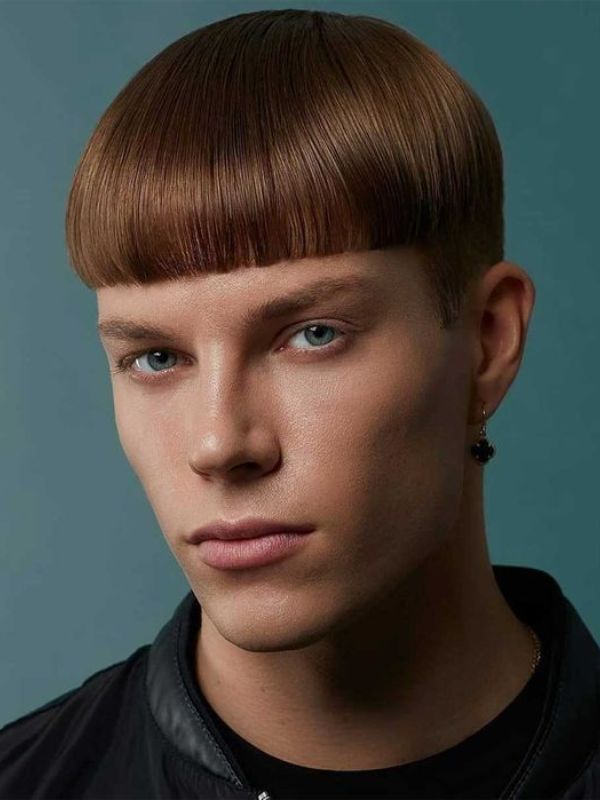
The bowl cut has had a quiet revival — but the 2026 version is nothing like the childhood version you might remember. It features a longer top with a clean perimeter line and tapered or faded sides. The result is geometric, editorial, and surprisingly wearable.
Styling tip: Keep the perimeter line clean at the barbershop. Style the top flat with a light cream or leave it natural for a softer look.
14. Spiky Textured Top with Low Fade
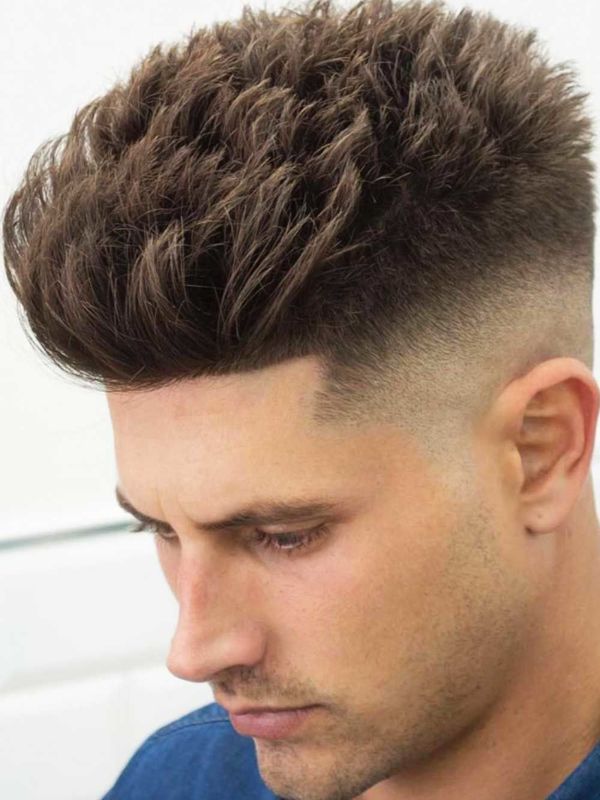
Unlike the rock-hard spikes of the 2000s, modern spiky styles are loose, textured, and multidirectional. The spikes look intentionally imperfect rather than heavily gelled.
Styling tip: Work a small amount of matte clay between your palms and scrunch upward through the hair. Pinch individual sections for definition.
15. Curly High Top Fade
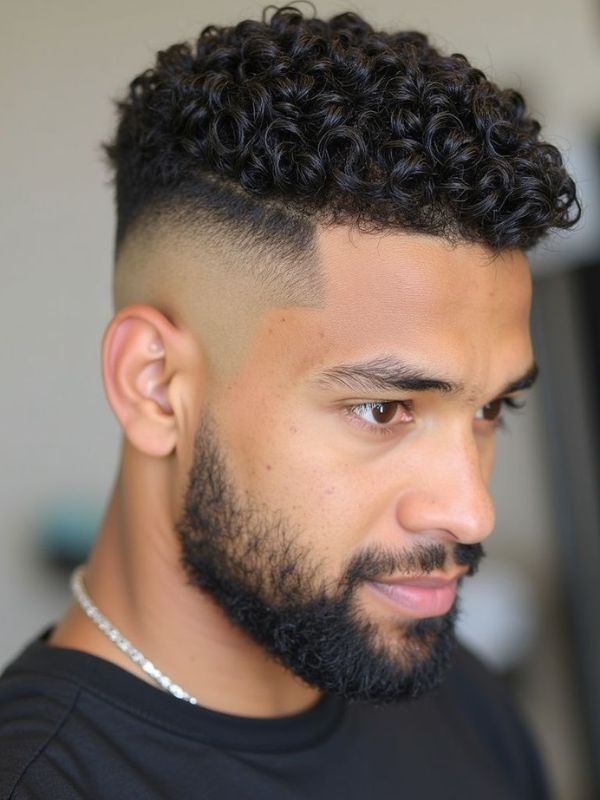
For men with naturally curly or coily hair, this style leans fully into the texture. A high fade or skin fade on the sides creates a dramatic base for the curly volume on top. The result is striking, confident, and requires very little product.
Styling tip: Moisturize curls with a curl cream and let them form naturally. A light hold spray can keep frizz in check without flattening the curl pattern.
16. Brushed Forward Caesar with Short Sides
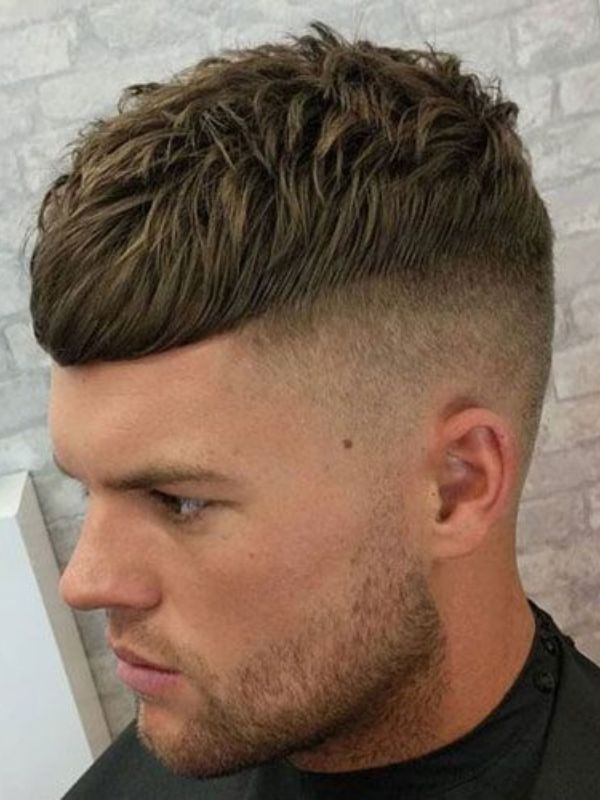
The Caesar cut — hair brought forward horizontally across the forehead — gets a modern update with a mid or high fade on the sides. It’s a clean, minimalist look that suits men who prefer simplicity.
Styling tip: Use matte clay and a brush to push hair directly forward. Great for men with a strong hairline or those who want to minimize forehead size.
17. Long on Top with Hard Side Part
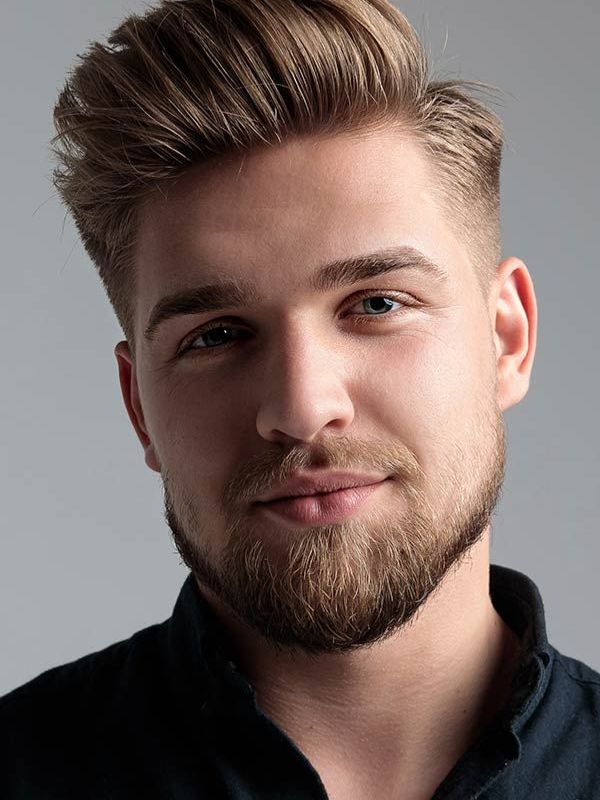
The hard side part is one of the cleanest looks in men’s grooming. A shaved or clipped part line creates a graphic, deliberate separation — the hair on one side slips cleanly over to the other. Pair it with a mid fade for a complete look.
Styling tip: Ask your barber to etch the part line with a razor or trimmer. Maintain it at home between visits using a fine-tooth comb and a small amount of pomade.
18. Voluminous Blowout with Tight Sides
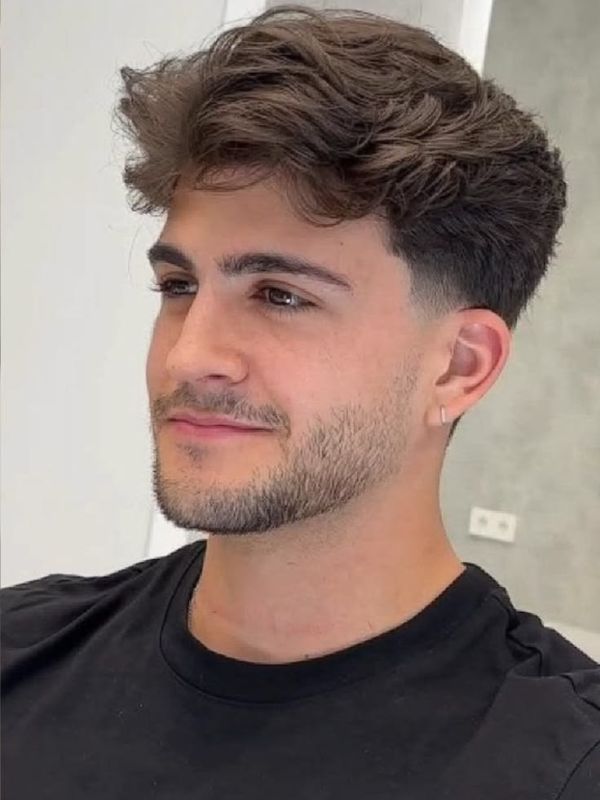
The blowout emphasizes maximum volume on top — hair is blow-dried aggressively upward and outward for a full, rounded silhouette. Tight sides or a high skin fade contrast the volume dramatically.
Styling tip: Blow-dry with a round brush, lifting constantly from the root. Use a volumizing mousse before drying and finish with a light-hold spray.
19. Classic Gentleman’s Taper with Longer Top
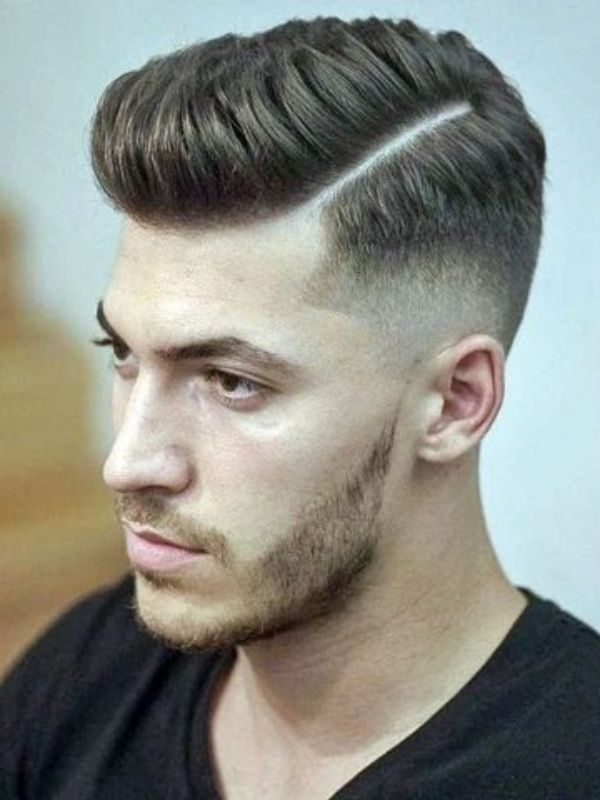
This is the “grown man’s” version of the style — a traditional taper (not a fade) with a neatly styled longer top. There’s no dramatic contrast line; instead, the sides blend naturally from the length on top. It’s the most timeless and universally appropriate variation.
Styling tip: Style with a light cream and comb through. Works perfectly with a suit or any business attire.
20. Wavy Textured Long Top with Drop Fade
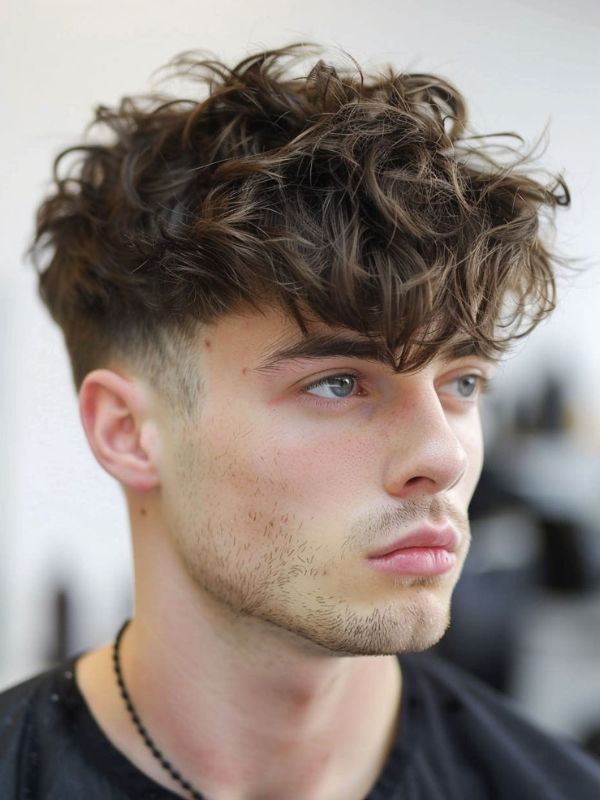
The drop fade follows the natural curve of the head behind the ear rather than running in a straight horizontal line. Combined with a wavy, textured top, it creates a relaxed, modern look with great movement.
Styling tip: Blow-dry backward with a vent brush and finish with a light-hold hairspray. The drop fade gives this style a modern, natural feel.
21. Short Sides Long Top Haircut Boy
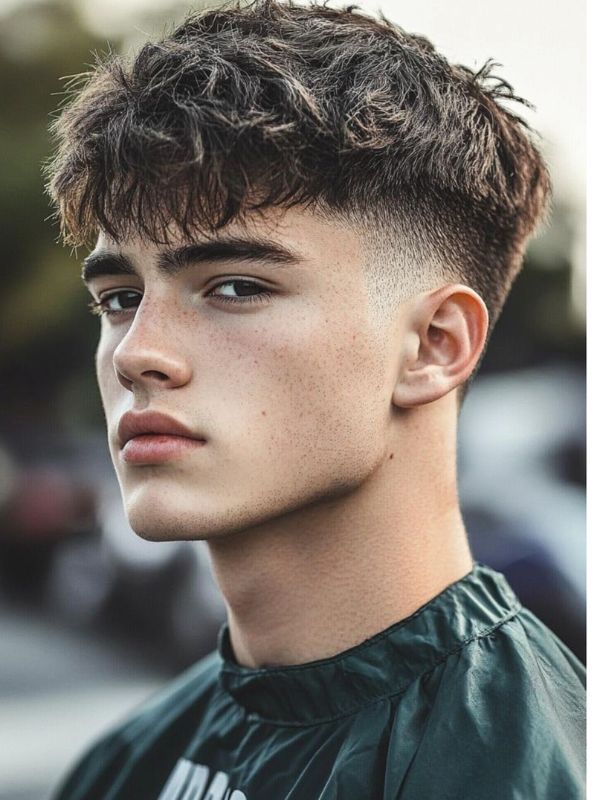
For younger boys, the same principles apply — long hair on top styled with a quiff, loose texture, or side sweep, paired with a taper or low fade. The key is keeping it age-appropriate: not too severe a contrast, and easy enough for quick morning styling.
Styling tip: A small amount of light-hold styling cream applied with fingers is all most boys need. Let the cut do the work.
Long Top Short Sides Men’s Haircuts With Beard
Pairing a beard with a long top short sides cut can be one of the most powerful combinations in men’s grooming — but the details matter.
1. Stubble + Long Wavy Top
A 3–5 day stubble beard with a wavy, textured top creates a balanced, effortlessly masculine look. Neither element is too dominant. Works for virtually any face shape and requires minimal maintenance for both hair and beard.
Tip: Use a beard oil to keep stubble soft and defined. Don’t over-trim — keep it at a consistent length with a trimmer guard.
2. Full Beard + Slicked Back Top
A full, groomed beard with a clean slick-back top is the ultimate “power look.” The contrast between the polished top and the full beard creates strong visual interest. Make sure the beard is well-maintained and shaped — a full beard with ragged edges undermines the whole effect.
Tip: Line up the cheek and neckline regularly. Use beard balm for shape and shine to match the slicked-back top’s refinement.
3. Fade + Groomed Beard Blend
When the skin fade on the sides blends seamlessly into a shaped beard, the overall effect is seamless and intentional. This requires a skilled barber who can connect the two — ask for a “beard fade” that transitions from the side fade into the beard neckline.
Tip: Bring a reference photo. The blend from fade to beard is a technical skill — not every barber executes it equally well.
4. Taper Fade + Short Boxed Beard
A low or mid taper fade paired with a short, neatly squared-off beard offers a clean, professional look that works equally well in the office and on weekends. The boxed beard’s defined corners complement the precision of a taper fade.
Tip: Keep the boxed beard at a consistent length (typically a #2–#3 guard). Line up the corners sharply for maximum effect.
Long on Top Short on Sides for Straight Hair (Complete Guide)
Straight hair is both a blessing and a challenge for this style. On one hand, it holds shape and lines extremely well — fades look crisp, comb overs sit perfectly, and slick-backs are effortless. On the other hand, straight hair can look flat and lifeless if you don’t add texture or volume intentionally.
Best Styles for Straight Hair
1. Textured French Crop
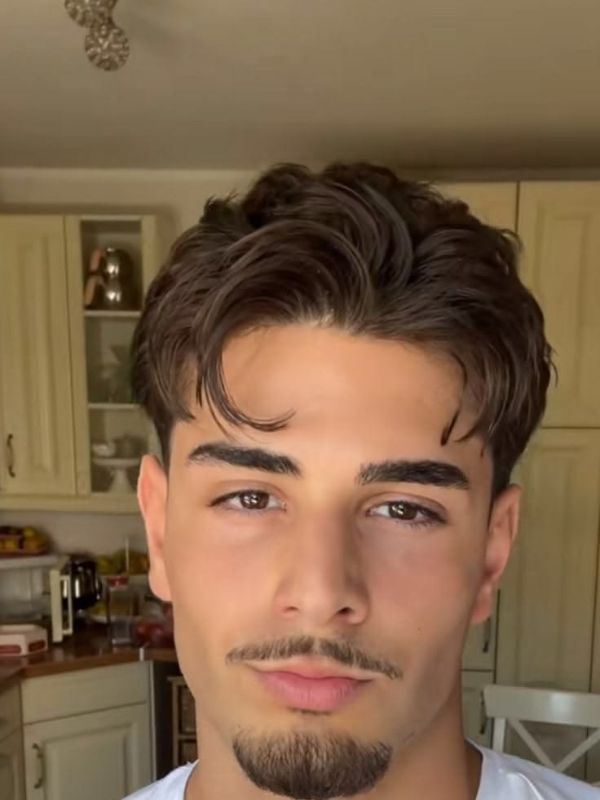
A short-to-medium top with a blunt, textured fringe. Great for men who want a clean, minimal-effort style. The texture prevents the flat appearance that can plague straight hair.
2. Modern Quiff with Undercut
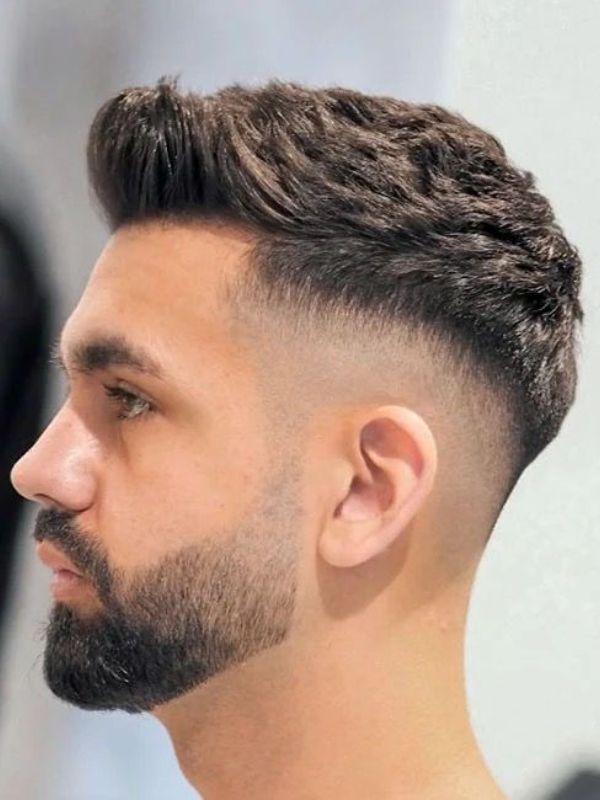
The undercut’s hard contrast pairs perfectly with straight hair — the clean lines emphasize the disconnection. Blow-dry the quiff upward for volume.
3. Pompadour Fade
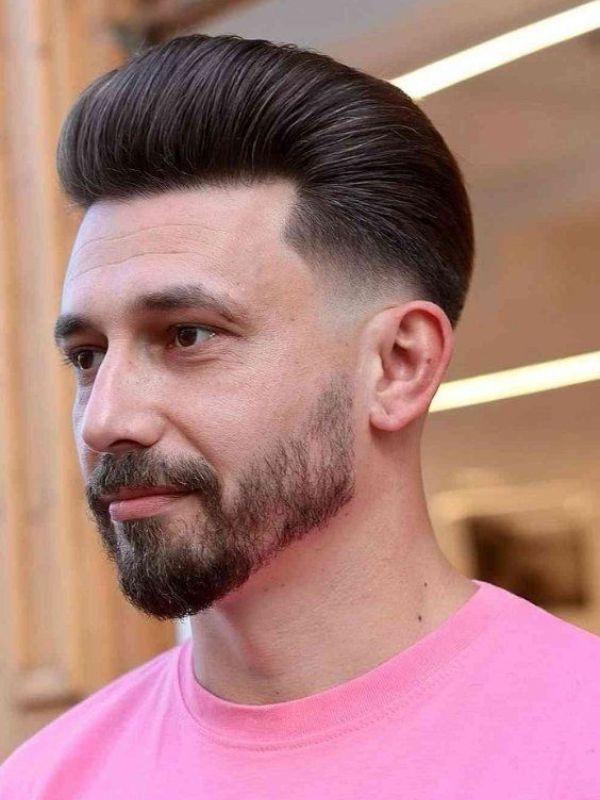
Straight hair holds a pompadour beautifully. The hair sweeps back smoothly without fighting the natural texture. High shine or matte pomades both work well.
4. Disconnected Undercut
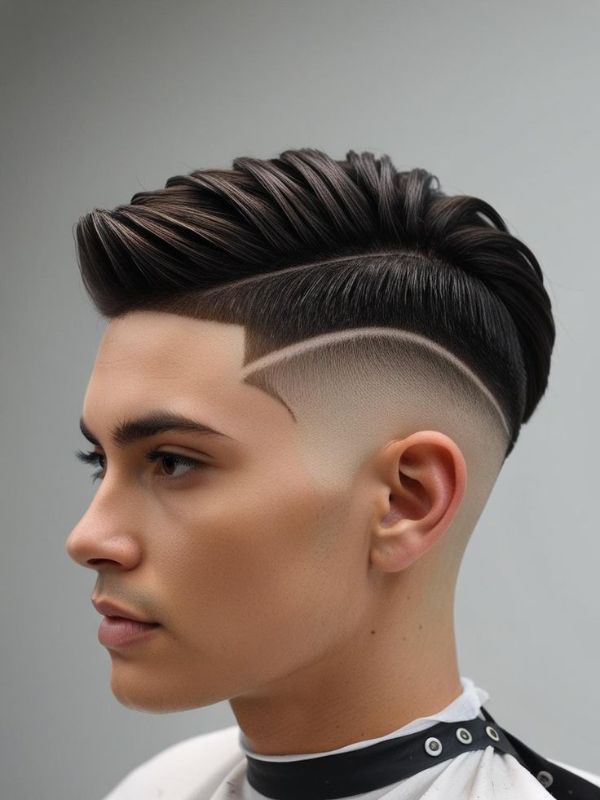
One of the best styles for straight hair — the crisp disconnection line shows up perfectly on straight strands that naturally fall away from the shaved sides.
5. Slicked Back with Side Part
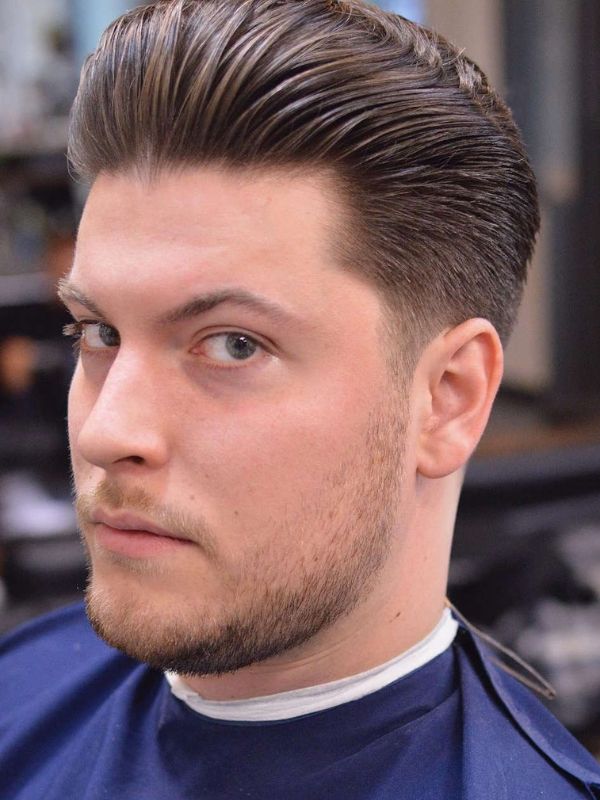
The classic. Straight hair is practically made for this style — it combs back without flyaways, holds a side part cleanly, and looks polished with minimal product.
Tips to Add Texture If Your Hair Looks Flat
- Pre-style powder: Work a small amount of styling powder at the roots before any other product. It grips the hair and creates instant volume.
- Sea salt spray on damp hair: Scrunch in before drying for a natural wavy texture that breaks up the flat look.
- Point-cut layers: Ask your barber to texturize the top with point cutting or thinning shears rather than a blunt cut. This removes bulk and adds movement.
- Blow-dry against the grain: For a quiff or pompadour, blow-dry in the direction opposite to the final style first, then restyle. Creates lasting volume.
Products You Can Use for Volume
| Product | Best For | Hold Level |
| Volumizing mousse | Blow-out, pompadour | Light |
| Matte clay | Textured, messy styles | Medium |
| Styling powder | Adding root lift | Light-medium |
| Sea salt spray | Textured, beachy looks | Light |
| Strong-hold pomade | Slick back, comb over | Strong |
Long Top Short Sides Fade Options
The fade is the foundation of the style. Choosing the right type changes the entire character of the cut.
Low Fade
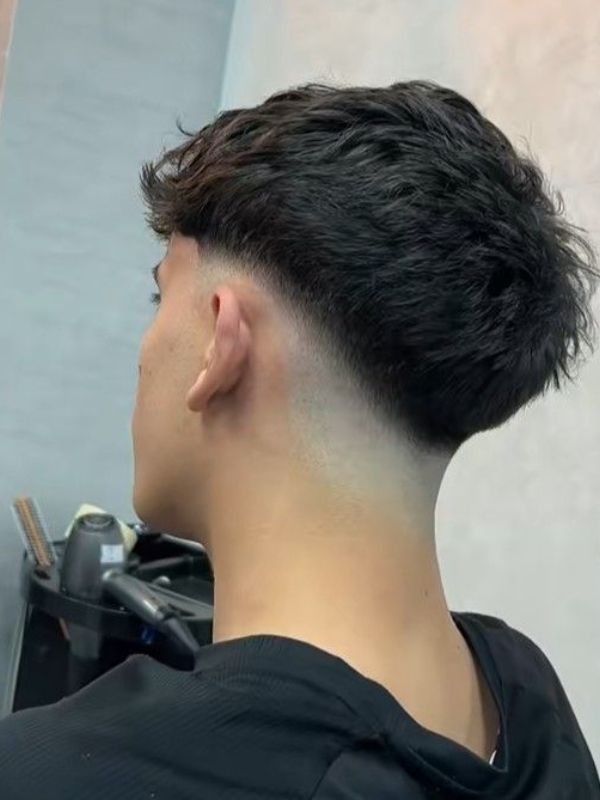
Starts just above the ear and near the neckline. The most subtle fade option — it creates a clean separation without dramatic contrast. Low fades grow out more gracefully, meaning you can go 3–4 weeks between barber visits without looking unkempt. Best for professional settings and oval or oblong face shapes.
Mid Fade
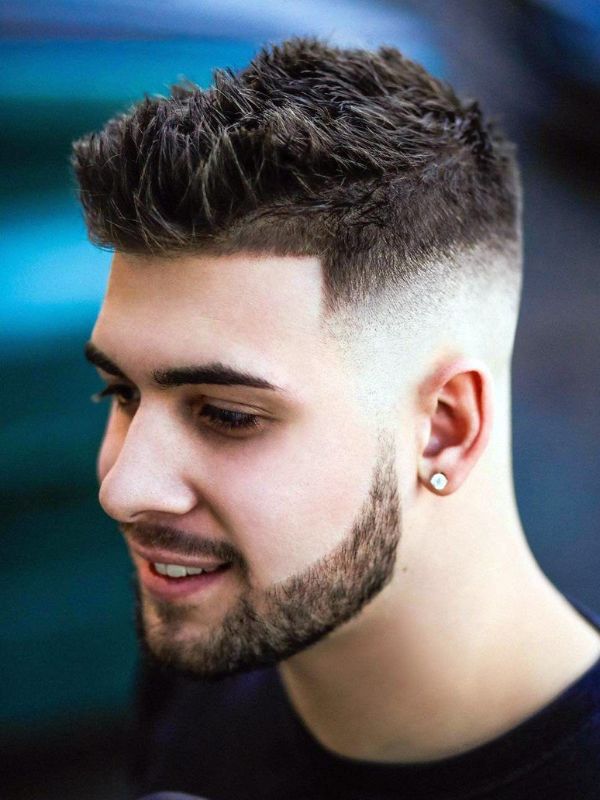
Starts around the middle of the head — the most popular choice by far. It offers genuine contrast without being too aggressive. Works with nearly every top style and suits most face shapes. The “Goldilocks” of fades.
High Fade
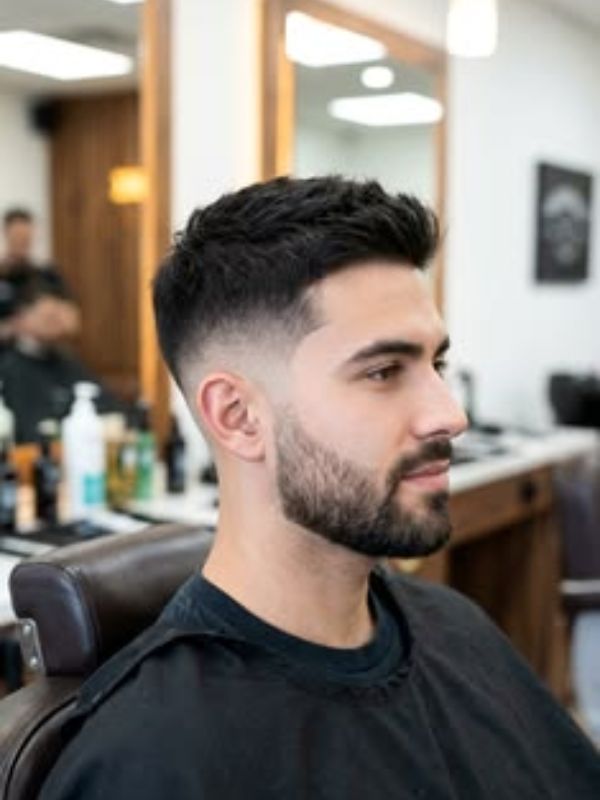
Starts at the upper portion of the sides, near the temples. Creates a strong, dramatic contrast — the sides are nearly shaved while the top has full length. Requires more frequent barber visits (every 2 weeks) to keep it sharp. Best for oval faces and anyone wanting a bold, modern look.
Drop Fade
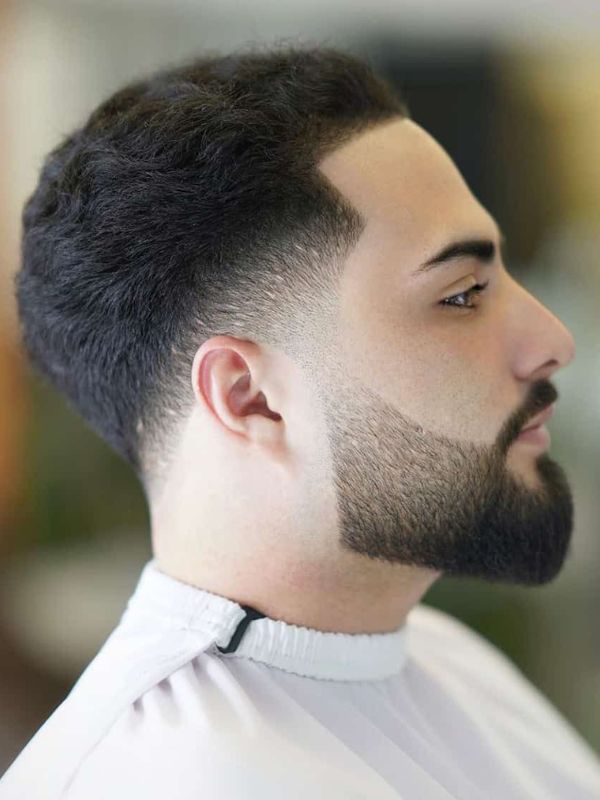
Follows the natural curve of the head, dipping lower behind the ear. The result looks more organic and less geometric than a straight horizontal fade. Pairs particularly well with longer, wavy, or textured tops.
Skin Fade
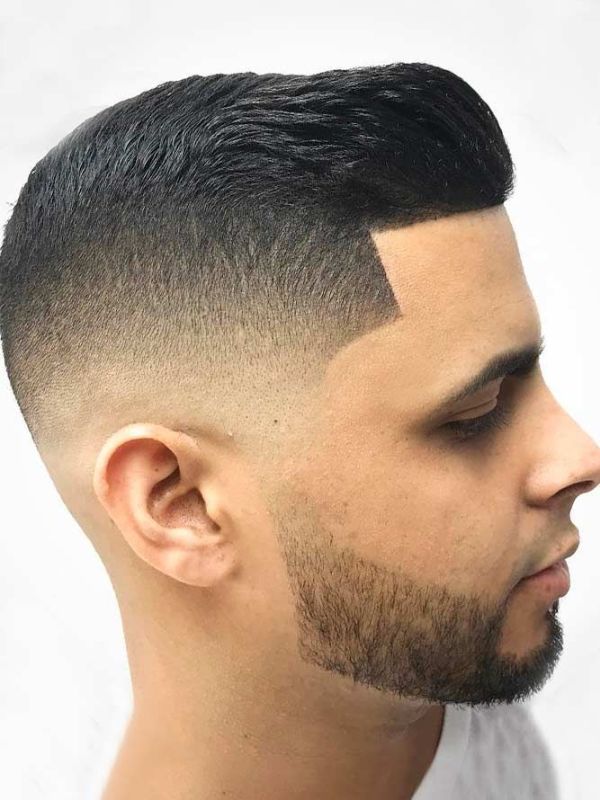
A skin (or bald) fade takes the sides all the way down to the skin, with zero stubble at the lowest point. It’s the most dramatic contrast possible and creates maximum impact. Skin fades require frequent maintenance — every 1–2 weeks — and look best when the top is well-styled every day.
How Can You Style a Long Top Short Sides Haircut? (Step by Step)
For Straight Hair
- Towel-dry hair until slightly damp (not soaking wet).
- Apply a volumizing mousse or styling powder at the roots.
- Blow-dry in the direction of your style, using a round brush for a quiff or pompadour or a vent brush for a slick-back.
- Apply a small amount of pomade or clay (pea-sized) by working it between your palms first.
- Style into place and finish with a light-hold spray if needed.
For Wavy/Curly Hair
- Apply a curl-enhancing cream or sea salt spray to damp hair.
- Either diffuse-dry on low heat (to maintain curl) or let air-dry.
- Once dry, scrunch in a tiny amount of matte wax or curl cream for definition.
- Avoid touching too much while drying — disruption creates frizz.
For Thick Hair
- Towel-dry thoroughly — thick hair takes longer and product goes on better when not dripping.
- Apply a medium-hold matte clay evenly through the top section.
- Blow-dry to your preferred direction, using your fingers rather than a brush to avoid too much volume.
- Finish by pressing down any sections that are sitting too high.
For Thin Hair
- Use a root-lifting spray or dry shampoo at the base before styling.
- Blow-dry upward (against the natural fall of the hair) first, then style into place — this creates lift that thin hair can’t achieve on its own.
- Use lightweight products only — heavy pomades weigh down fine hair instantly.
- Consider a shorter top length — thin hair often looks better with 2–3 inches on top than 4–5.
Product Recommendations
| Hair Type | Recommended Product | Avoid |
| Straight | Medium-hold pomade, matte clay | Heavy wax (looks greasy) |
| Wavy | Sea salt spray, curl cream | Gel (makes it crunchy) |
| Curly | Curl-defining cream, light mousse | Pomade (kills the curl) |
| Thick | Matte clay, fiber paste | Mousse (adds too much volume) |
| Thin | Volumizing mousse, styling powder | Heavy creams or waxes |
Read This: Low Fade Haircut Guide: 17 Styles That Are Clean, Sharp & Versatile (2026)
How to Ask Your Barber for This Haircut? (So You Get Exactly What You Want)
Nothing is more frustrating than walking out of the barbershop with a cut that isn’t what you pictured. Here’s how to communicate clearly every time.
Bring a reference photo. This is the single most effective thing you can do. Find a photo that matches your hair texture (not just the style) and show front, side, and back views if possible. Don’t describe the style verbally and assume the barber sees what you see.
Be specific about length on top. Use inches or centimeters if you can — “about 3 inches on top” is clearer than “medium length.” If you’re unsure, ask your barber what length they recommend for the style you’ve chosen.
Name the fade type. Say “low fade,” “mid fade,” “high fade,” or “skin fade” directly. If you want a taper (blended, not faded), use that word specifically. Saying “short sides” alone leaves too much interpretation.
Specify the blend or contrast. Tell your barber whether you want a smooth, gradual transition (taper/fade) or a more disconnected look with a visible separation line. These are significantly different haircuts.
Ask about texture techniques. If you want movement on top, ask for “point cutting” or “texturizing shears” rather than a blunt cut — this adds dimension that makes styling easier.
Discuss maintenance expectations. Tell your barber how often you’re willing to come in. A skin fade that needs a touch-up every 10 days is beautiful — but only if you’ll actually go back every 10 days.
Final Thoughts
The long top short sides haircut is, without question, the most adaptable cut in modern men’s grooming. Whether you’re drawn to the polished authority of a slicked-back skin fade, the relaxed confidence of a messy textured top with a mid fade, or the bold geometry of a disconnected undercut — there’s a version of this style built for your hair type, face shape, and lifestyle.
The key is taking the time to understand what actually works for you, communicating that clearly to your barber, and then investing in the right products to maintain it at home. Do those three things and you’ll always walk out of the barbershop looking exactly how you intended.
