

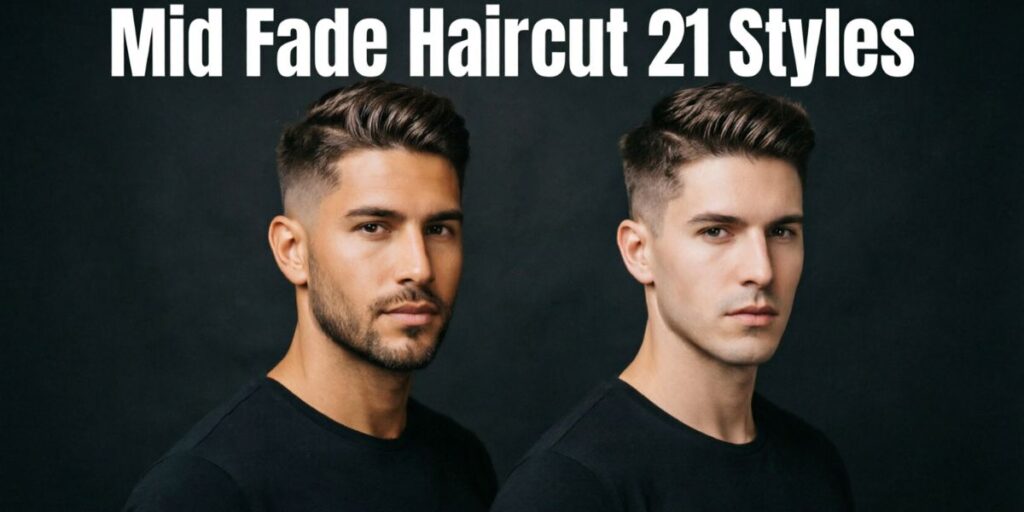
If you’ve been walking into the barbershop unsure what to ask for, the mid fade haircut is the answer you didn’t know you needed. It’s clean without being too aggressive. It’s stylish without demanding a high-maintenance routine. And in 2026, it’s the most requested cut at barbershops across the world — for good reason.
Whether you’re rocking curly hair, straight locks, natural coils, or braids, there’s a mid fade variation built exactly for your texture and face shape. This guide covers everything: what a mid fade actually is, 21 of the best styles you can try right now, how to talk to your barber, and how to keep it looking fresh between visits.
What Is a Mid Fade Haircut?
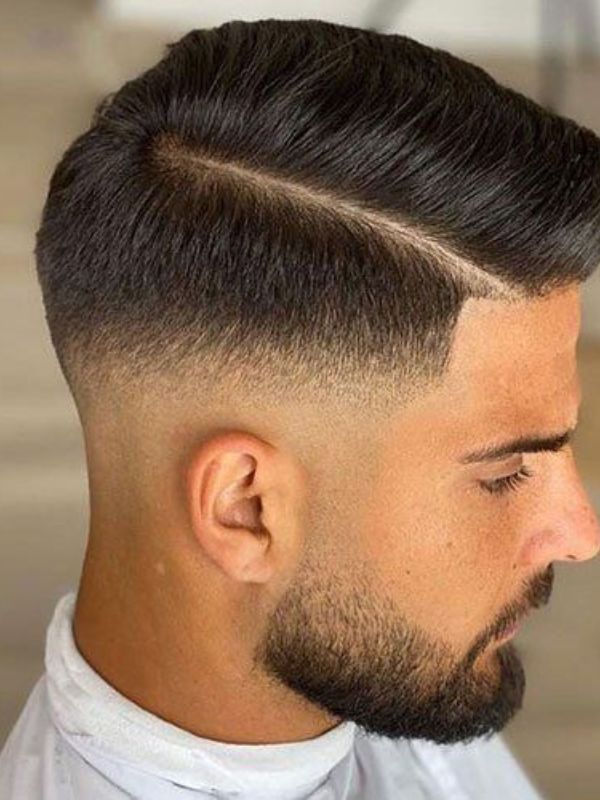
A mid fade haircut is a men’s barbering style where the hair gradually transitions from longer length on top to noticeably shorter — sometimes skin-level — on the sides and back. The key is where that transition starts.
Where the Fade Starts and Ends
The fade begins around the temple area, approximately 1–2 inches above the ear. It then blends downward toward the neckline, creating a smooth, seamless gradient. The transition zone typically spans the mid-section of the sides — not near the ear (like a low fade) and not at the crown (like a high fade). This placement hits the sweet spot: noticeable style without looking extreme.
How It Compares to Low and High Fades
| Feature | Low Fade | Mid Fade | High Fade |
| Starting Point | Just above the ear | Temple level | Near the crown |
| Contrast Level | Subtle | Balanced | Bold |
| Maintenance | Every 3–4 weeks | Every 2–3 weeks | Every 1–2 weeks |
| Best For | Professional/formal settings | Any setting | Street/urban styles |
| Face Shape Risk | Can widen round faces | Flatters most shapes | Can elongate long faces |
The mid fade sits directly between the two extremes, which is precisely why it’s the most universally flattering option.
Why It’s Popular in 2026
Three reasons: versatility, adaptability, and longevity. A mid fade pairs with literally any top style — from buzz cuts to long flowing hair, pompadours to dreadlocks. It works in an office boardroom and a weekend festival without changing a thing. And compared to high fades, it retains its shape longer before needing a touch-up, making it more practical for men with busy schedules.
Types of Mid Fade Haircuts & Styles
Before choosing your specific style, it helps to understand the variation of the fade itself.
Classic Mid Fade
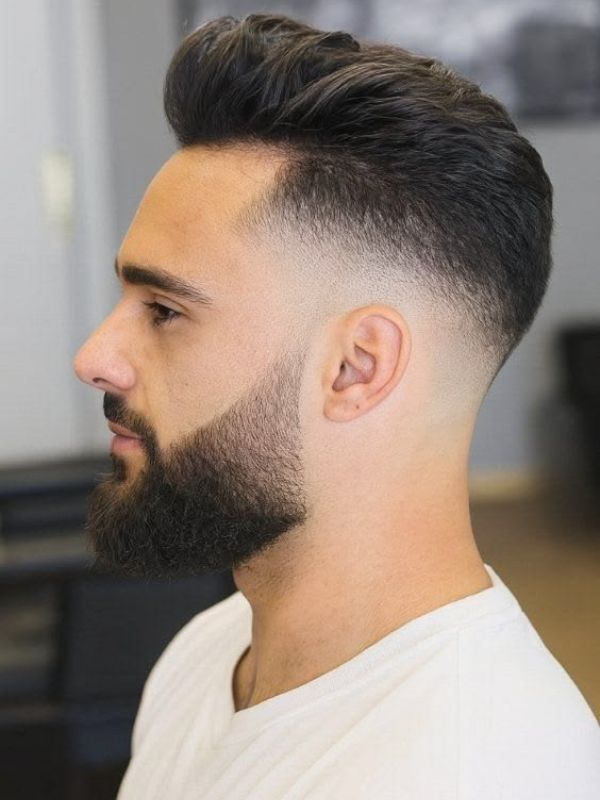
The standard version. Hair fades from skin or very short clipper length at the bottom, blending upward toward the temple zone. Clean, sharp, and timeless. Works on all hair types.
Mid Drop Fade
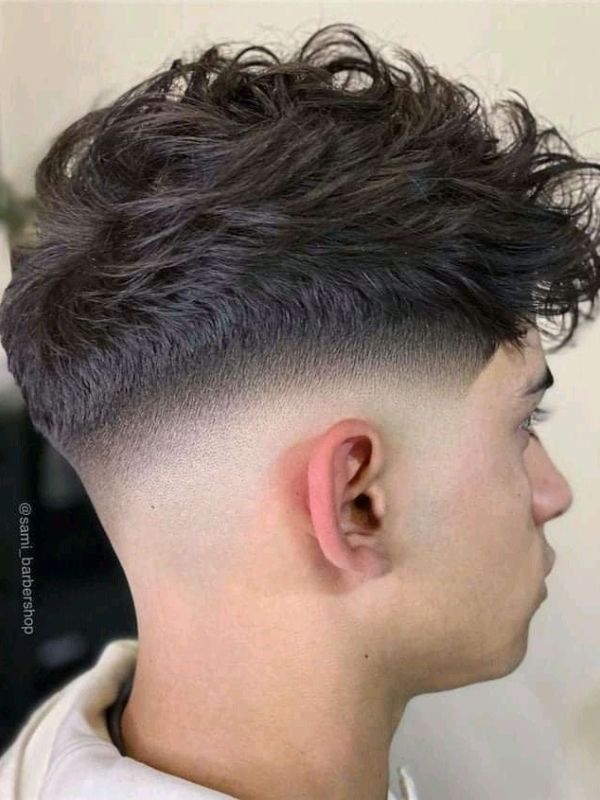
The fade line curves downward behind the ear, dropping lower at the nape than at the temples. This creates a rounder, more dramatic arc. It’s especially popular with Black and Latino men for its bold visual impact.
Mid Skin Fade (Bald Fade)
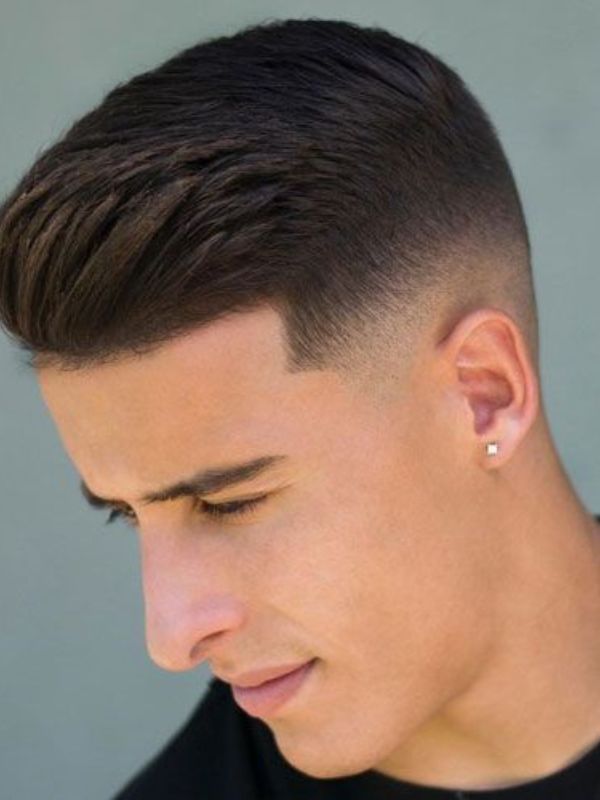
The shortest part of the fade reaches bare skin. There’s zero hair at the bottom — just clean scalp. This maximizes contrast between the top and sides, giving the sharpest, most defined look possible.
Mid Taper Fade
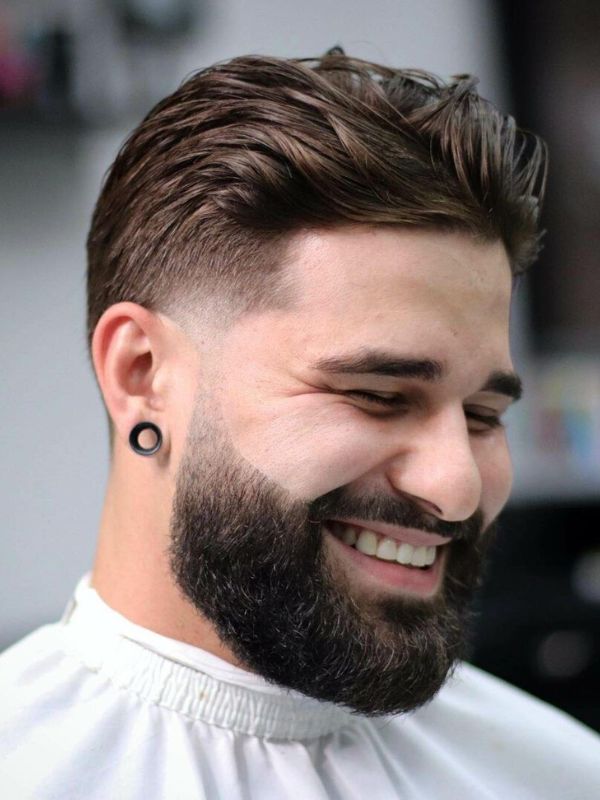
Unlike a full fade, the taper keeps some hair throughout the sides — it just gets progressively shorter toward the neckline. The result is a softer, more gradual blend. Great for professional environments.
Mid Bald Fade
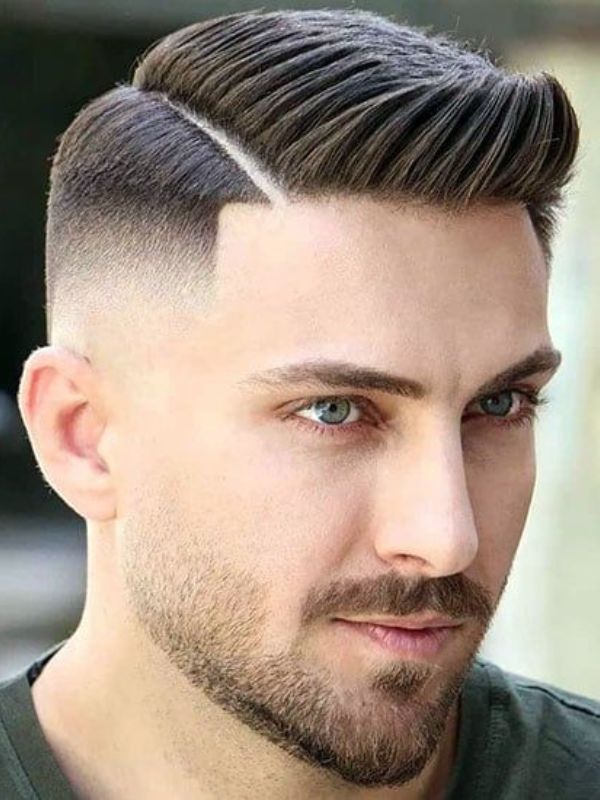
Essentially a more aggressive version of the skin fade, where the skin-level section extends higher up the sides. Maximum contrast. High visual impact. Requires more frequent maintenance.
Mid Burst Fade
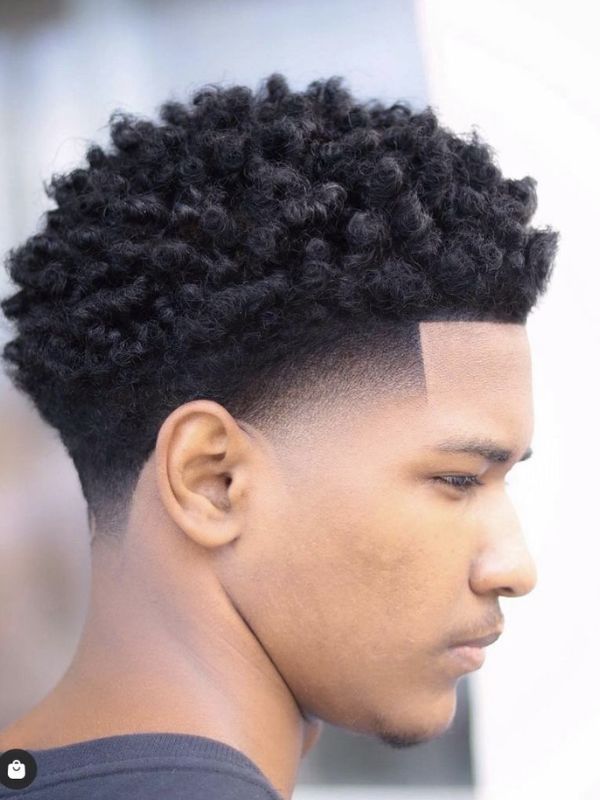
The fade radiates outward in a semicircle around the ear, creating a “burst” effect. It naturally accommodates styles like mohawks, faux hawks, and braids by preserving weight at the back of the head.
Low-Mid and Mid-High Fades
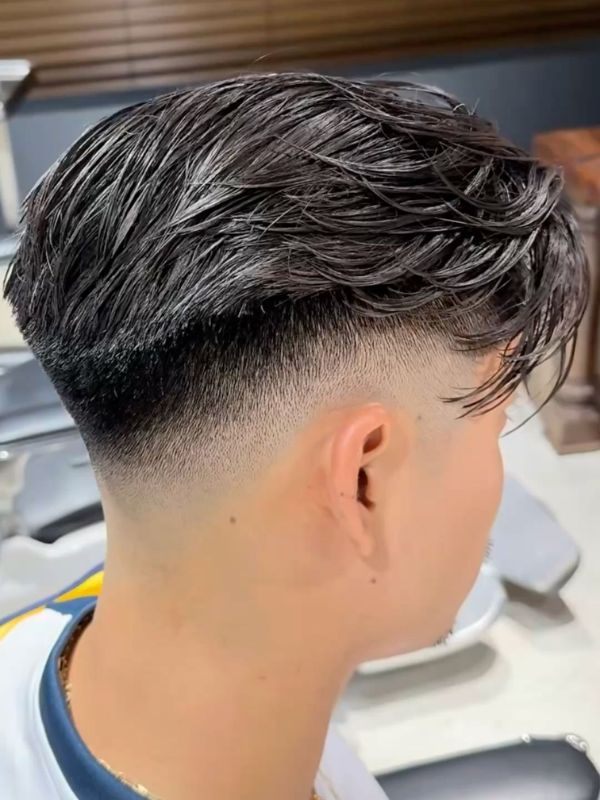
These hybrids sit between two fade positions. A low-mid fade starts just slightly above the ear, offering a subtler effect. A mid-high fade begins closer to the crown for a bolder statement. Both are great for men who want something between the classic options.
Read This: Low Fade Haircut Guide: 17 Styles That Are Clean, Sharp & Versatile (2026)
Best Mid Fade Haircut Styles for Men
Here are 21 of the most popular and versatile mid fade styles you can bring to your barber right now.
Comb Over with Mid Fade
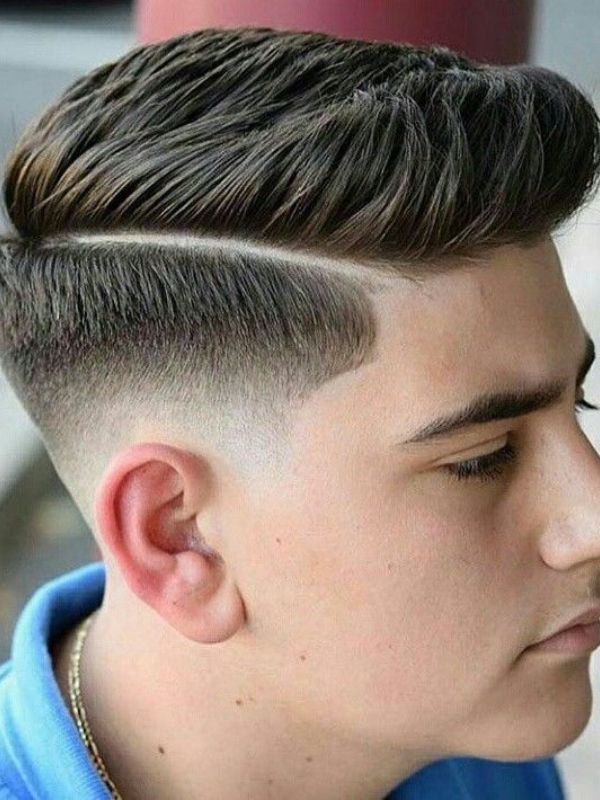
A classic side-swept style where longer hair on top is combed across and over. The mid fade on the sides creates clean contrast against the styled length. Works beautifully with straight or wavy hair. Use pomade or a styling cream for hold and a natural finish.
Mid Fade with Curly Hair
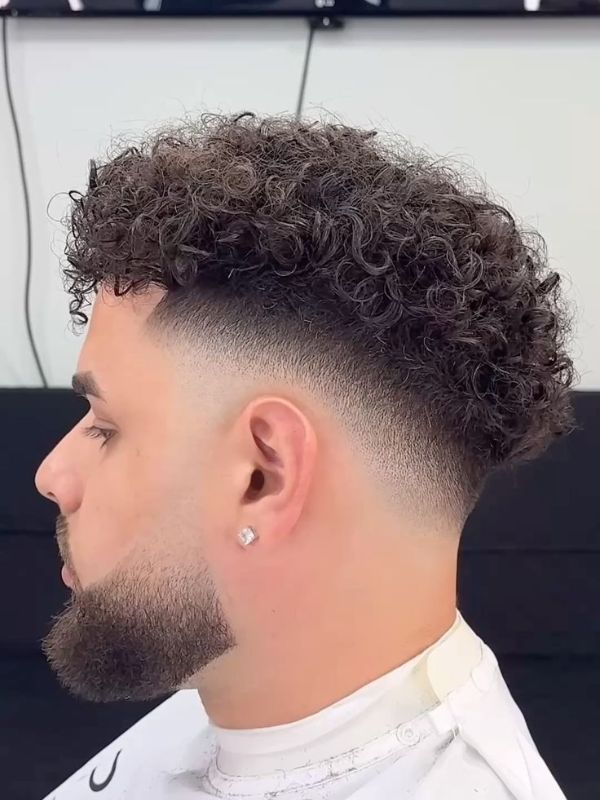
Curly hair and mid fades are a natural pairing. The fade removes bulk from the sides, letting your natural curls sit on top with volume and definition. Use a curl cream or light-hold mousse to keep coils defined without crunch.
Mid Fade Haircut Kids
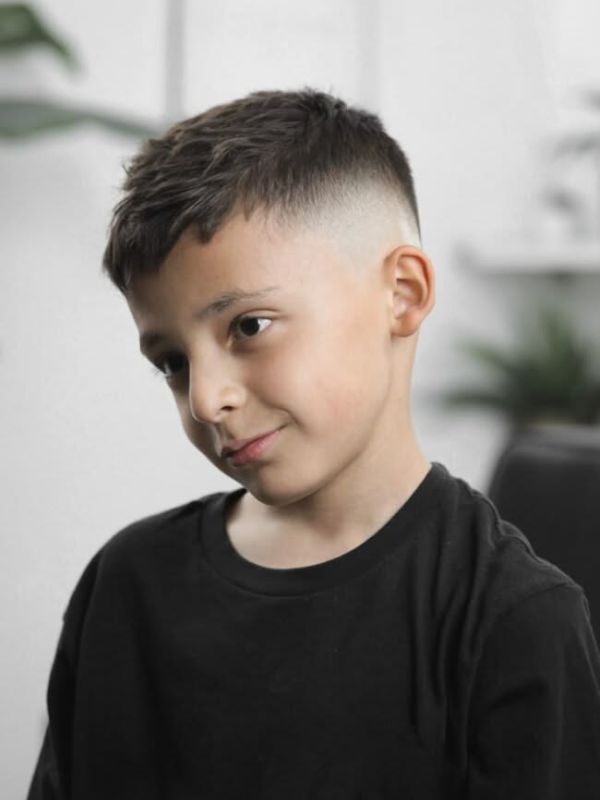
The mid fade translates perfectly for younger boys. It’s clean, school-appropriate, and easy to manage. A textured top with a mid fade keeps kids looking sharp without requiring much morning styling time. Many barbers recommend a softer taper version for younger children.
Mid Fade Haircut Black
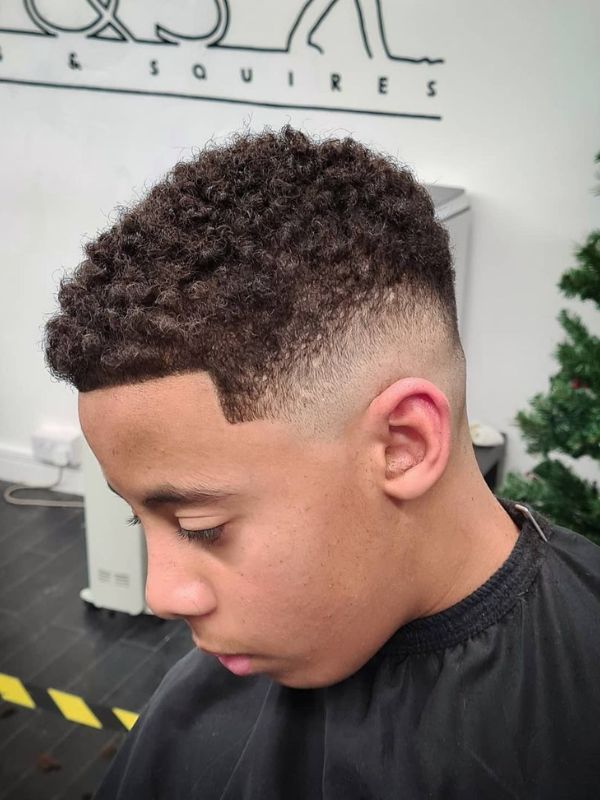
For Black men, the mid fade opens up an entire world of styling possibilities. It pairs exceptionally well with natural hair, TWA (teeny weeny afros), waves, coils, and high-top structures. The drop fade variation is especially popular in this community for its curved, artistic shape that frames the head beautifully.
Textured Crop with Mid Fade
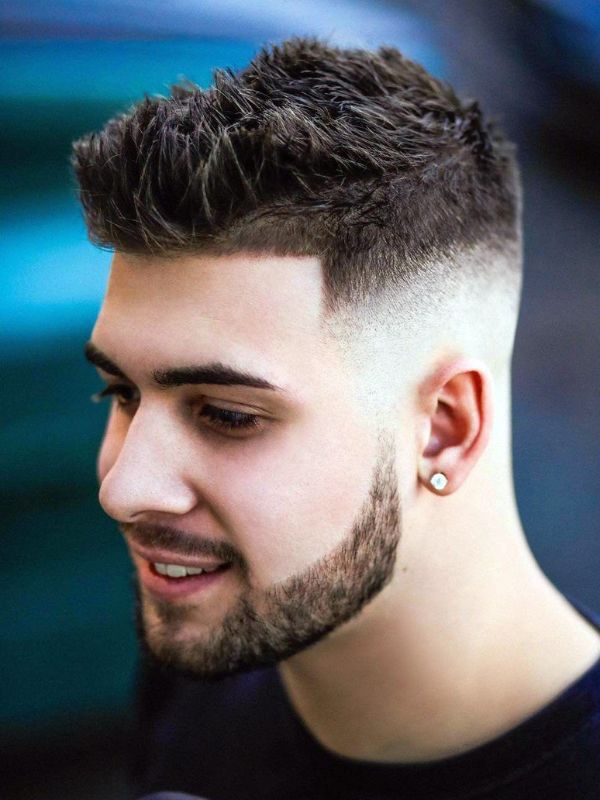
A short, textured top — often called a French crop or textured fringe — combined with a mid fade. This is one of the most requested styles in 2026. It’s low-maintenance on top while keeping the sides clean and sharp. A small amount of matte paste is all you need to style it.
Slick Back with Mid Fade
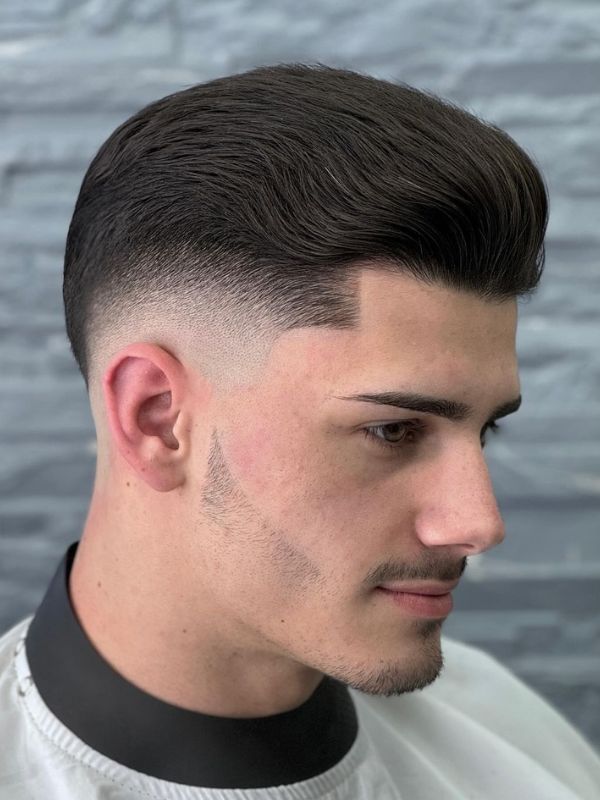
Longer hair on top brushed or combed straight back, held in place with pomade or gel. The mid fade on the sides adds modernity to what would otherwise be a retro look. Best suited for straight or wavy hair with some natural thickness.
Mohawk or Faux Hawk with Mid Fade
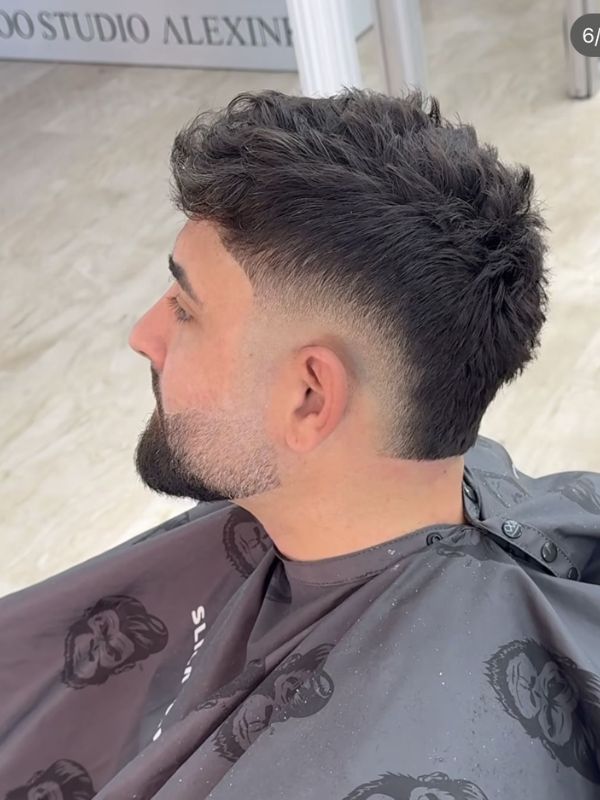
The strip of height running along the center of the head is amplified when the sides fade cleanly away. A mid burst fade works especially well here, allowing the mohawk strip to flow naturally. The faux hawk version keeps length on the sides so you can style it down for a more relaxed look when needed.
Pompadour with Mid Fade
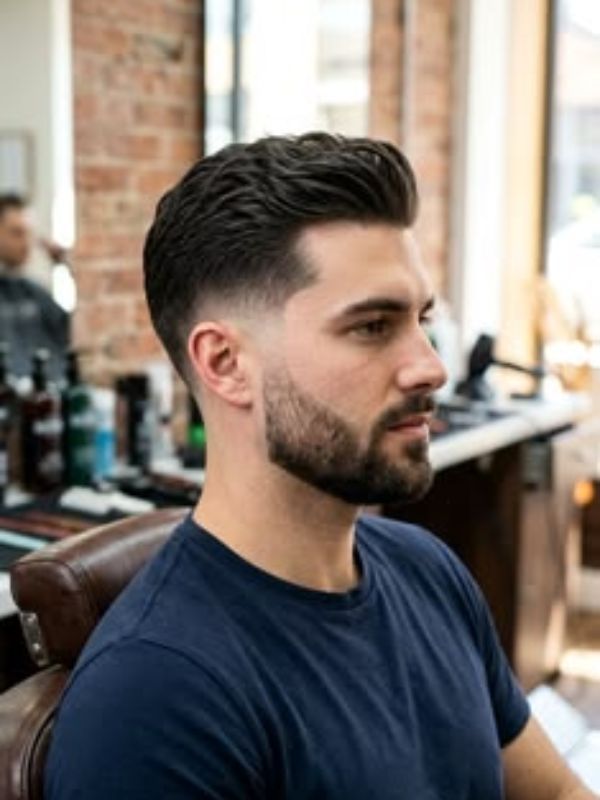
Volume at the front, brushed upward and back, with a sleek mid fade on the sides. The contrast between the lifted top and the tight sides is what makes this combination so visually striking. Use a strong-hold pomade for the classic shiny finish or a matte clay for a more modern, textured interpretation.
Dreadlocks or Braids with Mid Fade
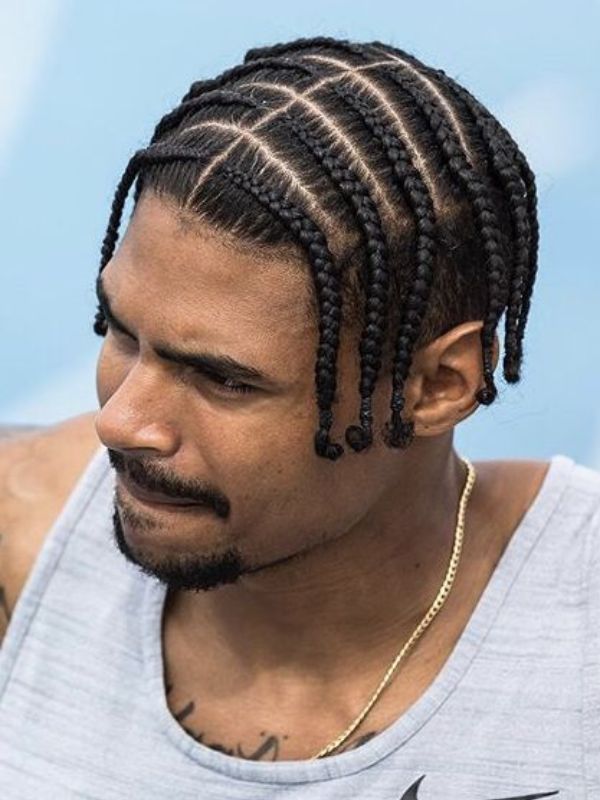
Locs and braids with faded sides are one of the most striking combinations in modern men’s grooming. The mid fade keeps the lower scalp clean and defined, letting the locs or braids stand out as the focal point. A mid skin fade creates the sharpest contrast here.
Buzz Cut with Mid Fade
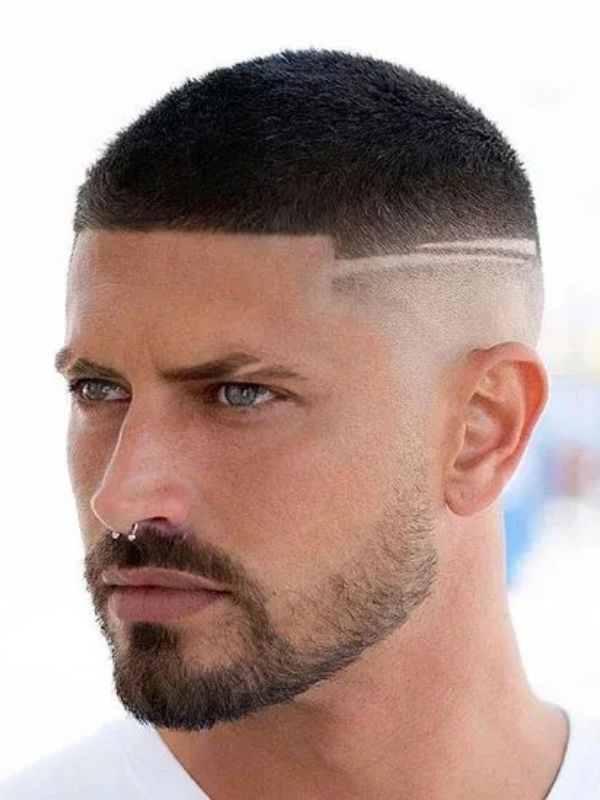
The entire top is cut to a uniform short length (usually a #1, #2, or #3 guard), while the sides feature a mid fade taper. Simple, hyper-low-maintenance, and always clean. This is the go-to style for men who want to look sharp without any styling effort.
Mid Fade with Side Part
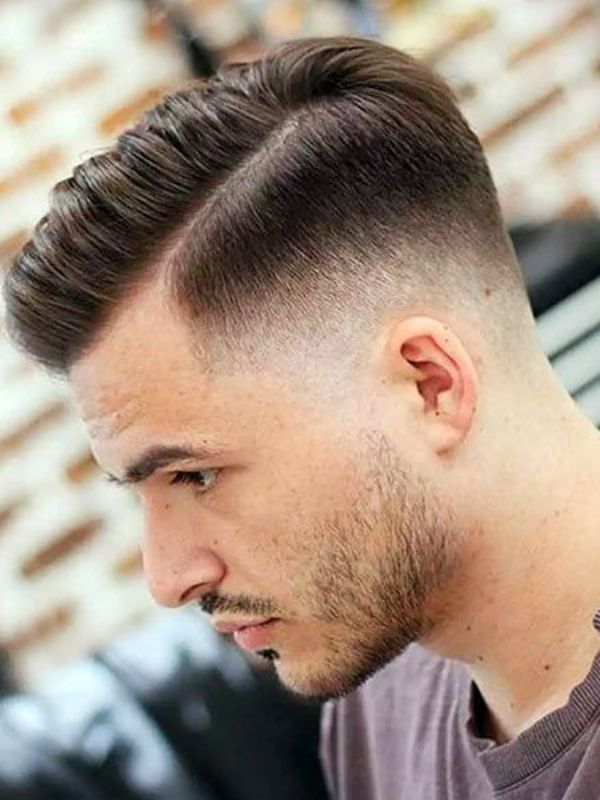
A defined part — either natural or razor-sharp — separates the top into two sections. The mid fade keeps the sides tidy while the parted top adds classic structure. This look reads professional and polished, making it a favourite for office environments.
Modern Mullet Mid Fade
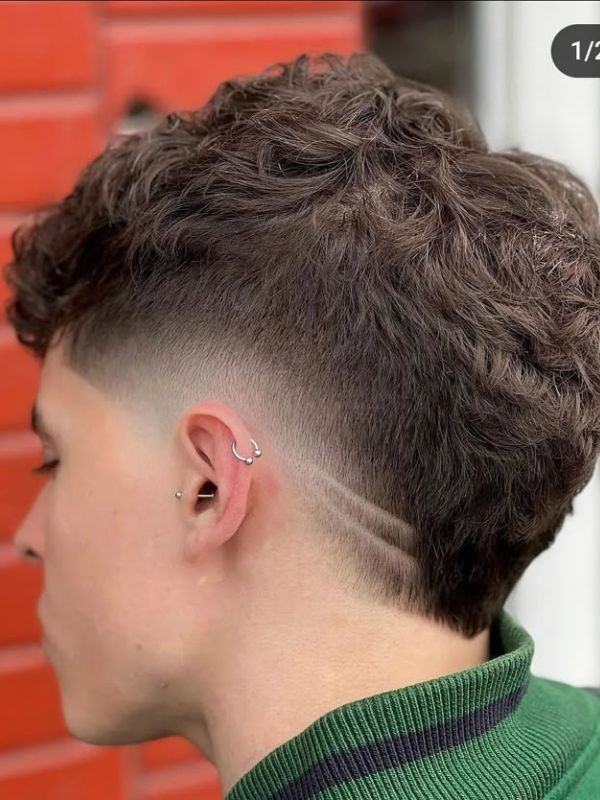
The 2026 version of the mullet isn’t your dad’s version. Short and textured at the front and sides with a mid fade, transitioning to longer length at the back. It’s edgy, intentional, and surprisingly versatile. Use a lightweight texturizing spray to keep the back flowing naturally.
Mid Fade with Quiff
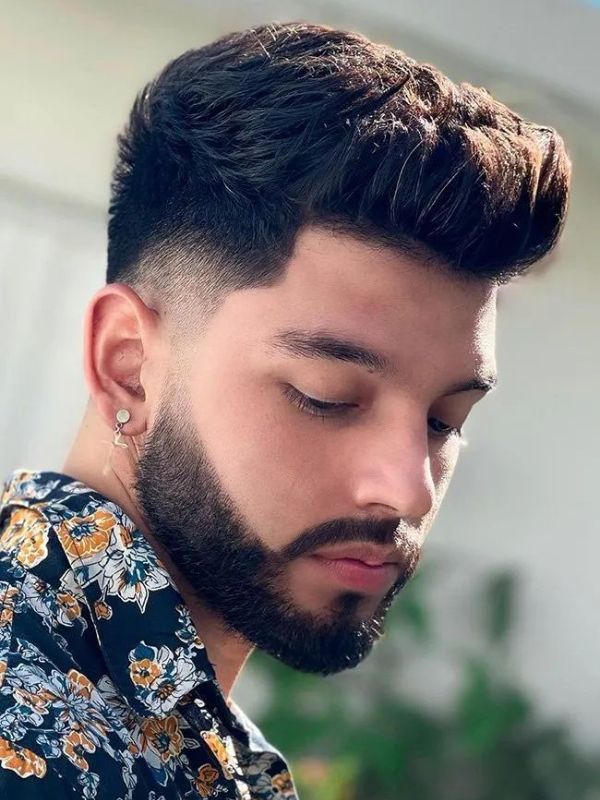
The quiff involves volume lifted at the front hairline, brushed slightly backward. Combined with a mid fade, the contrast between the dramatic top and tight sides creates a sharp, youthful look. Blow-dry upward and finish with a medium-hold clay or paste.
Mid Fade with Fringe
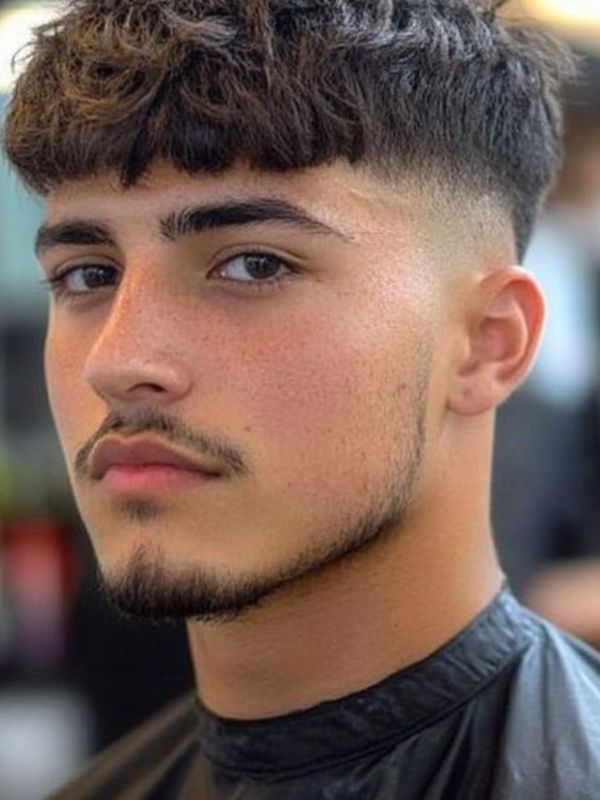
The hair on top falls forward onto the forehead in a loose, textured fringe. The mid fade on the sides keeps the overall silhouette clean. This style works especially well for men with rectangular or elongated face shapes, and those with naturally wavy or curly hair.
Mid Fade Haircut vs. Other Fades
Mid Fade vs Low Fade
A low fade starts just above the ear and creates a subtle, conservative transition. The mid fade starts higher and creates more visible contrast. If you want something noticeable but not extreme, the mid fade wins.
Mid Fade vs High Fade
A high fade starts near the crown and delivers the boldest look. It requires the most maintenance — typically every 1–2 weeks. The mid fade is less aggressive and lasts longer before it needs a touch-up.
Mid Fade vs Taper
A taper doesn’t reach the skin. Hair gradually shortens but always retains some coverage. A fade goes all the way down to bare skin or very close to it. The taper is subtler; the fade is sharper.
Mid Taper vs Mid Skin Fade
Both start at the same point (mid-temple), but the skin fade goes all the way to bare scalp, while the taper stops short of that. The skin fade creates bolder contrast; the taper offers a more conservative finish.
Which Fade Suits You Best?
| Your Preference | Best Choice |
| Conservative and office-friendly | Mid Taper |
| Balanced contrast, any setting | Classic Mid Fade |
| Maximum sharpness | Mid Skin Fade |
| Curved, artistic line | Mid Drop Fade |
| Bold and edgy | Mid Bald Fade |
How to Choose the Right Mid Fade for You?
By Hair Type (Curly, Straight, Wavy, Coily)
- Curly hair: Go with a mid fade or mid skin fade with a longer, curly top. Let the natural texture speak for itself.
- Straight hair: Works well with almost any variation. Side parts, slick backs, and textured crops all look sharp.
- Wavy hair: A textured fringe or pompadour with mid fade enhances natural wave movement beautifully.
- Coily/natural hair: Mid drop fade or burst fade works best. Ask for blending that complements your natural curl pattern.
By Face Shape (Round, Oval, Square, Long)
- Round face: Keep sides tight with a mid skin fade and add height on top to elongate the silhouette.
- Oval face: The most versatile shape. Nearly any mid fade variation works well.
- Square face: Use softer blending and add texture on top to avoid a boxy appearance.
- Long face: Avoid adding excessive height on top. A mid fade with a textured crop or fringe works best to balance proportions.
By Lifestyle (Maintenance Needs, Work-Friendliness)
- Busy schedule: Go with a mid taper or textured crop — they hold shape longer.
- Professional environment: Classic mid fade or mid fade with side part reads polished and intentional.
- Creative fields: Mid skin fade, burst fade, or any bold top style gives you more expressive range.
- Active lifestyle: Buzz cut with mid fade is the most practical — wash and go.
How to Ask Your Barber for a Mid Fade?
Fade Terminology to Know
Walk in knowing these terms:
- Guard numbers: #0 (skin), #1 (1/8 inch), #2 (1/4 inch), etc.
- Skin fade / bald fade: Goes all the way to bare scalp
- Taper: Gradual shortening that doesn’t reach skin
- Blend/transition zone: The area where lengths merge together
Describing the Top and Length
Be specific: “I want a mid fade starting at the temples, blended down to a #1 at the bottom. On top, I want about 3 inches with [texture / a side part / a quiff].” The more detail you give, the closer the result will be to what you have in mind.
Bringing Photos and Style References
This is non-negotiable, especially if you’re trying a new style. Save two or three reference photos before your appointment — one showing the fade height, one showing the top style. Show multiple angles if possible.
Mid Fade Haircut Guide: Step-by-Step Cutting Process
Tools You’ll Need
- Clippers with multiple guard attachments (#0 through #4 minimum)
- Fade brush for blending
- Straight razor or trimmer for edge detailing
- Thinning shears for the top
- Mirror setup for back visibility
Preparation & Baseline
Wash and towel-dry the hair first. Establish your fade line at the mid-temple level using a comb and your base guard. This anchor line determines everything — get it level before blending.
Blending the Fade
Work upward from the baseline using progressively larger guards. Move in short, flicking motions to prevent hard lines. Blend each guard size into the one above it, spending extra time at the transition zones. The fade should look seamless — no visible lines or “steps.”
Cutting and Styling the Top
Use scissors or clippers over a comb for the top. Work with the natural growth pattern, not against it. Remove length gradually. For textured styles, point-cut into the ends for movement.
Finishing Touches & Detailing
Use a straight razor or detailer to crisp up the hairline, sideburns, and neckline. Brush away any loose hair. Apply finishing product appropriate for the style.
Cutting Different Hair Textures
- Thick hair: Use thinning shears to remove bulk at the top without losing length.
- Fine hair: Cut conservatively — removing too much makes sparse areas more visible.
- Curly/coily: Cut dry or stretched to account for shrinkage. The fade needs to blend with the natural curl expansion.
Products to Maintain and Style Your Mid Fade
Best Shampoos and Conditioners
Use a sulfate-free clarifying shampoo 2–3 times per week. For curly or coily hair, co-wash between shampoo days to maintain moisture. A lightweight conditioner or leave-in cream prevents dryness, which is especially important for the skin-level sections of a bald fade.
Pomades, Pastes & Creams for Styling
| Product Type | Best For | Hold Level | Finish |
| Matte clay | Textured crops, quiffs | Medium-high | Natural/matte |
| Water-based pomade | Slick backs, side parts | Medium | Shiny |
| Texturizing paste | Fringe, messy styles | Light-medium | Matte |
| Curl cream | Curly/wavy tops | Light | Natural |
| Strong-hold gel | Pompadours, clean edges | High | Glossy |
Read This: Fade Haircuts for Black Men: 73 Sharp Styles & Tips
Beard and Fade Grooming Tools
A cordless trimmer is essential for maintaining clean edges between barber visits. A boar bristle brush helps distribute natural oils and train wave patterns. For skin fades, a moisturizing scalp lotion prevents dryness and flaking at the shaved sections.
Mid Fade Haircut Maintenance Tips
How Often to Get Touch-Ups
Most mid fades look their sharpest at 2–3 weeks. By week 4, the fade zone begins to lose definition. For mid skin fades or bald fades, the regrowth shows faster — aim for every 2 weeks. Classic mid fades and tapers can stretch to 3–4 weeks without looking untidy.
How to Maintain the Fade at Home
Between barber visits, you can:
- Use a trimmer to tidy up neckline overgrowth
- Keep the hairline clean with a small detailer
- Moisturize skin-fade sections daily to prevent dryness
- Style the top daily with your chosen product to maintain shape
Common Mistakes to Avoid
- Waiting too long between cuts: The longer you wait, the harder it is to restore the original fade line.
- Using the wrong product for your hair type: Heavy oils on fine hair weighs it down; light creams on thick hair won’t hold.
- DIY fading without experience: Fades require precision. One wrong guard size at the wrong height can take weeks to grow out.
- Ignoring the neckline: A clean neckline is 50% of the overall impression.
Final Thoughts
The mid fade haircut earns its reputation as the most versatile cut in men’s grooming by delivering consistent results across every hair type, face shape, and lifestyle. It’s the rare style that looks equally sharp on a 16-year-old trying their first fade and a 45-year-old walking into a boardroom.
With 21 variations to explore — from the classic skin fade to burst fades paired with braids or the modern mullet — there’s genuinely a mid fade style for every man. Take this guide to your next barber appointment, bring a few reference photos, and tell them exactly what you want. The rest is up to the clippers.
