


Choosing the right fade can completely change how your haircut looks and feels. A fade is not just a haircut trend, it is one of the most requested styles at barbershops around the world, and for good reason. It is clean, modern, and works with almost every hair type and face shape. But once you sit in the barber chair, the real question comes up fast: should you go with a low fade, mid fade, or high fade?
Each of these fades starts at a different point on your head, and that single detail changes the entire vibe of your haircut. A low fade feels subtle and professional. A mid fade sits right in the middle, offering balance. A high fade is bold, sharp, and impossible to miss. In this guide, you will learn exactly what separates these three fades, which one suits your face shape and lifestyle, and how to talk to your barber so you get the exact look you want.
Understanding Fade Haircuts
What Is a Fade?
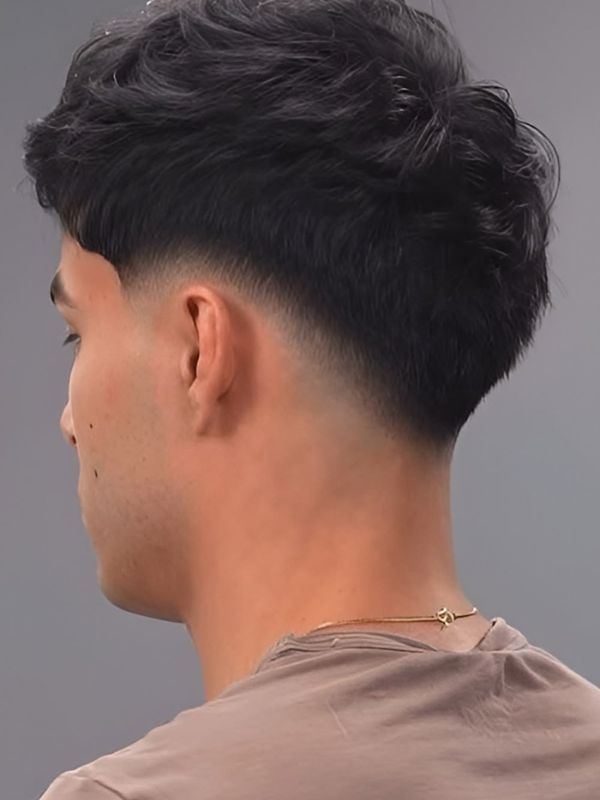
A fade haircut is a style where the hair on the sides and back gradually blends from longer to shorter, eventually tapering close to the skin. Unlike a simple buzz cut, a fade creates a smooth transition using clippers and different guard sizes, so there is no harsh line between lengths. The top of the head usually keeps more length, which creates contrast against the closely cropped sides.
The barber typically works in three zones: a denser section near the top, a middle zone that softens the blend, and a lower zone where the hair is cut almost to the skin. This careful blending is what makes a fade look sharp instead of choppy.
History and Popularity of Fades
Fade haircuts trace back to military grooming standards from the 1940s and 1950s, when short, practical cuts were required for hygiene and uniformity. Soldiers wore tightly cropped sides with slightly longer hair on top, a look often called the military reg.
Over the following decades, the style moved into civilian life and became especially popular in Black owned barbershops during the 1980s and 1990s, where barbers refined the blending technique into the smooth gradient we recognize today. Hip hop culture and sports icons helped push the fade into mainstream fashion, and it has stayed relevant ever since.
Why Fades Are So Popular Today?
Fades remain one of the top requested haircuts because they check almost every box a modern man looks for in a style.
Versatility
A fade pairs well with nearly any hairstyle on top, whether that is a quiff, pompadour, textured crop, or slick back.
Customization
Barbers can adjust the height, sharpness, and blend of a fade to match personal taste, from a soft taper to a dramatic skin fade.
Clean & Polished Look
The gradual blend gives an instantly tidy appearance that works for both casual outings and formal settings.
Personal Expression
The starting height and finishing style let men express individuality, whether that means a subtle low fade or an eye catching high fade with a hair design.
Low maintenance
Compared to many other trendy cuts, fades hold their shape well between visits, especially lower fades that grow out neatly.
Celebrity Influence
Athletes, musicians, and actors regularly showcase fresh fade variations, keeping the style in constant rotation on social media and red carpets.
Timeless Appeal
Despite constant trend cycles, the fade has never gone out of style since it became mainstream, proving its staying power across generations.
What Is a Low Fade?

Defining Characteristics
A low fade begins just above the ears, close to the hairline, and blends upward at a gentle pace. The transition is soft, keeping more hair on the sides compared to other fades. It is often compared to a classic taper fade because of how understated it looks.
Pros of a Low Fade
- Subtle, professional finish suitable for offices and formal events
- Low maintenance, since it grows out neatly without losing shape
- Works with thicker hair without looking too stark
- Pairs easily with beards for a balanced, polished look
Cons of a Low Fade
- Less dramatic contrast for men who want a bold statement
- Can look understated if you prefer an edgy or trendy vibe
- May not highlight top hairstyles as strongly as a high fade
Who Should Choose a Low Fade?
The low fade suits men who want a clean, conservative look that fits workplace dress codes. It is ideal for professionals in law, finance, or client facing roles, and for anyone who prefers a haircut that requires fewer touch up visits.
Popular Low Fade Styles
Low Fade with Curly Hair

This combination keeps natural curls intact on top while the low fade tidies up the sides, giving a fresh yet effortless finish.
Read This: Haircuts for Teenage Guys: 45 Best Trendy Styles for 2026
Low Fade with Comb Over
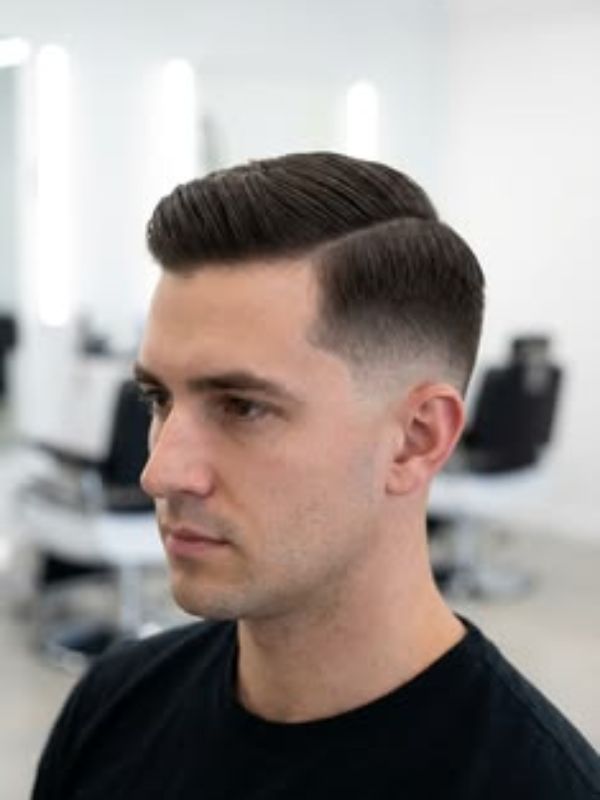
A classic look where the top hair is combed neatly to one side, creating a sharp and timeless appearance.
Low Fade with Side Part
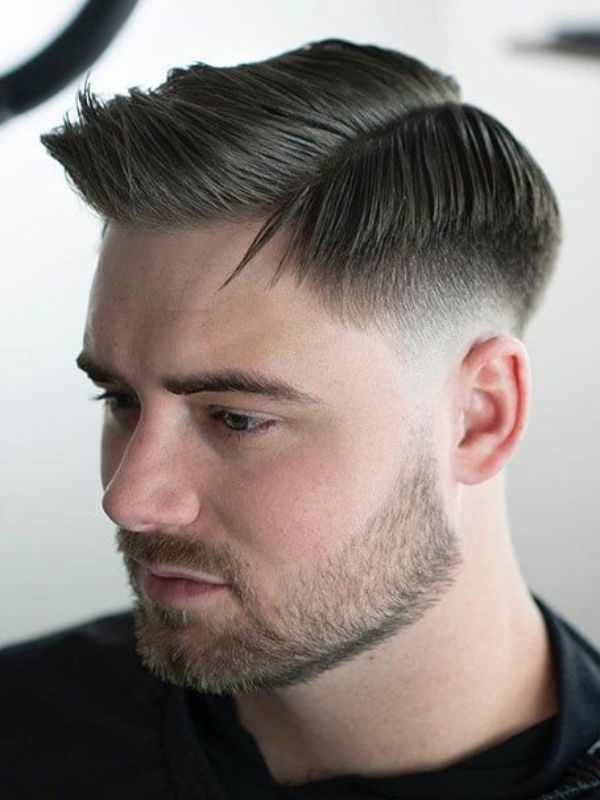
A defined part paired with a low fade produces a tidy, fashionable style that suits both casual and formal settings.
What Is a Mid Fade?
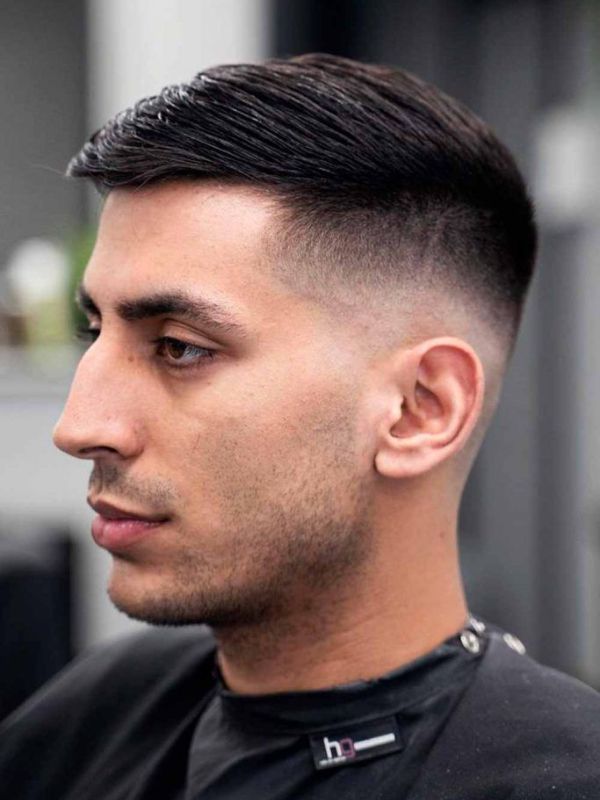
Defining Characteristics
A mid fade starts around the temples or the middle section of the sides, roughly halfway between the ears and the crown. This placement creates a noticeable but balanced contrast, making it one of the most requested fades at barbershops today.
Pros of a Mid Fade
- Offers the most versatile balance between subtle and bold
- Complements nearly every face shape
- Works well with textured tops, quiffs, and slicked back styles
- Handles thick or straight hair especially well
Cons of a Mid Fade
- Requires more frequent touch ups than a low fade
- Can look slightly less formal than a low fade in strict corporate settings
Who Should Choose a Mid Fade?
A mid fade suits men who want a modern yet adaptable haircut. It works well for men in their thirties or forties who want a sharp, contemporary look, and it fits both casual weekends and professional weekdays.
Popular Mid Fade Styles
Mid Fade with Quiff
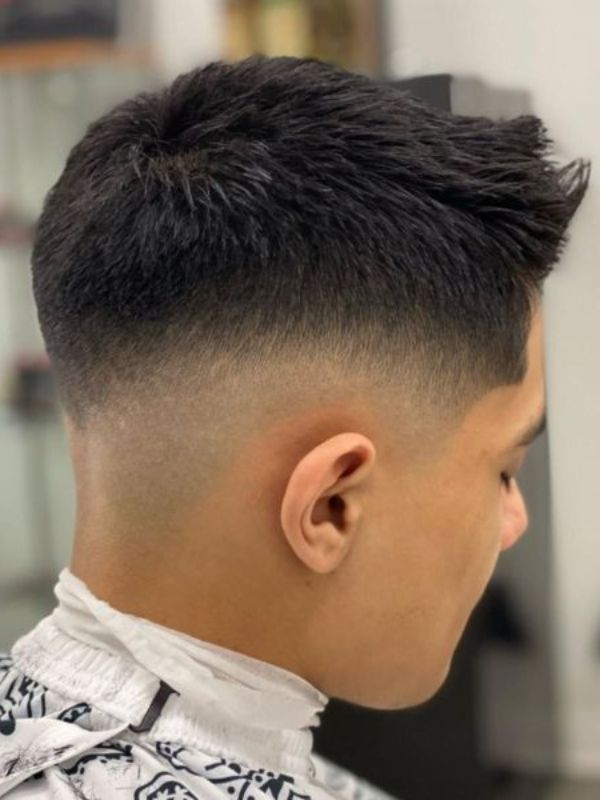
The added height on top paired with the balanced fade creates a stylish, voluminous finish that suits most hair textures.
Mid Fade with Textured Crop
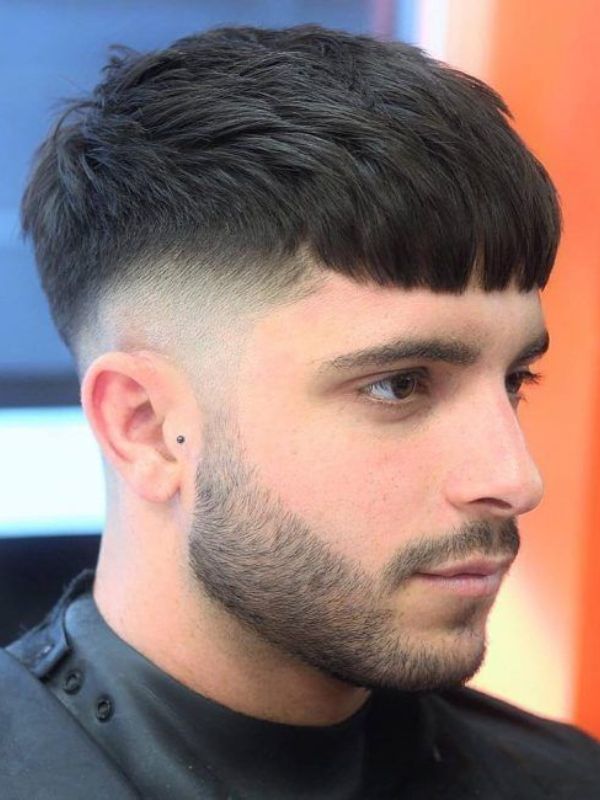
A cropped top with visible texture pairs nicely with the mid fade, giving a laid back yet groomed appearance.
Mid Fade with Slick Back
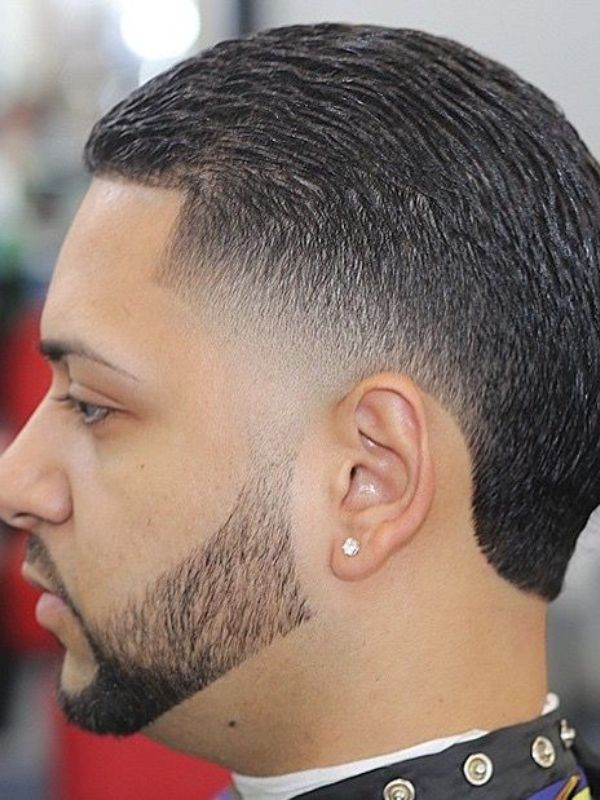
Longer hair on top slicked backward against a mid fade produces a sleek, polished look ideal for both office and evening settings.
What Is a High Fade?

Defining Characteristics
A high fade begins above the temples, often near the parietal ridge, and tapers down quickly to expose more skin. This creates the sharpest contrast of the three fades and puts maximum focus on the hairstyle up top.
Pros of a High Fade
- Bold, modern look that instantly stands out
- Creates strong contrast that highlights facial features
- Pairs beautifully with pompadours, mohawks, and textured crops
- Visually adds height, which suits round or square faces
Cons of a High Fade
- Requires frequent trims since it grows out faster
- Can appear too edgy for conservative offices
- Less forgiving for thin or fine hair on top
Who Should Choose a High Fade?
The high fade is best suited for men who enjoy a trend forward, attention grabbing style. It works particularly well for younger guys, creative professionals, and anyone comfortable visiting the barbershop every few weeks.
Popular High Fade Styles
High Fade with Pompadour

The dramatic contrast of the high fade paired with a voluminous pompadour creates a striking, confident silhouette.
High Fade Undercut
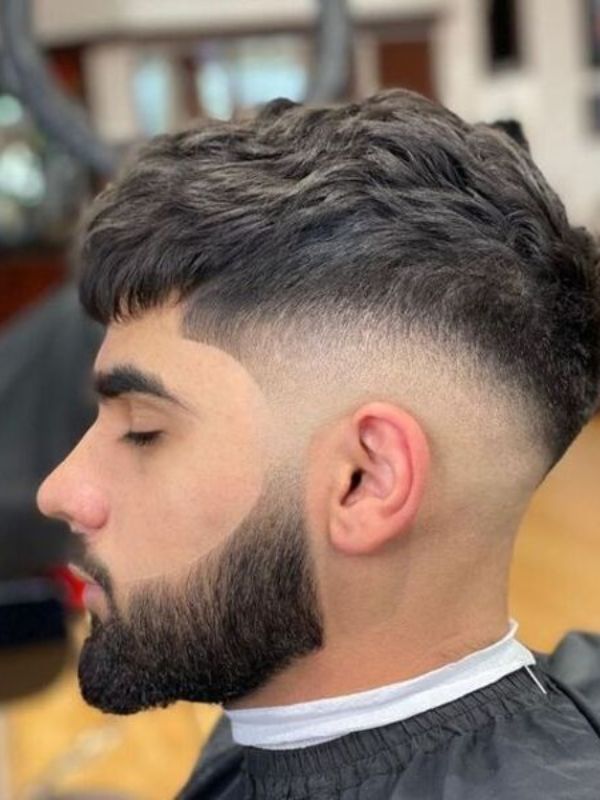
A sharp undercut combined with a high fade produces one of the boldest looks in modern men’s grooming.
High Fade with Textured Top
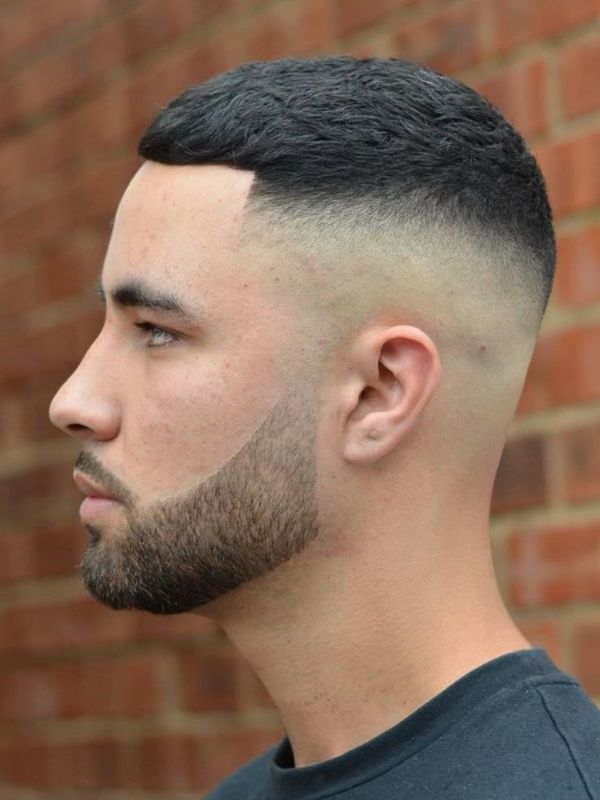
Messy, textured hair on top against the crisp high fade balances a rugged style with a groomed finish.
Low Fade vs Mid Fade vs High Fade: Key Differences

Where Each Fade Starts
| Fade Type | Starting Point |
| Low Fade | Just above the ears |
| Mid Fade | Around the temples |
| High Fade | Above the temples, near the crown area |
Visual Impact
A low fade looks soft and polished. A mid fade offers a balanced, noticeable contrast. A high fade delivers the boldest, most dramatic transformation of the three.
Styling Versatility
Mid fades tend to work with the widest range of top styles, from quiffs to slick backs. Low fades suit classic looks like comb overs, while high fades pair best with voluminous or textured styles that need extra contrast to stand out.
Maintenance and Grow Out
| Fade Type | Touch Up Frequency | Grow Out Behavior |
| Low Fade | Every 4 to 6 weeks | Grows out neatly, keeps shape longer |
| Mid Fade | Every 3 to 4 weeks | Moderate grow out, still needs regular shaping |
| High Fade | Every 2 to 3 weeks | Grows out fastest, loses sharp contrast quickly |
Professional vs Trendy Settings
Low fades fit conservative, client facing workplaces best. Mid fades work comfortably in both formal and casual environments. High fades lean toward creative industries, younger crowds, or weekend styling where boldness is welcome.
Best For Different Face Shapes
| Face Shape | Recommended Fade |
| Round | Mid or High Fade |
| Oval | Any fade works well |
| Square | Low or Mid Fade |
| Long | Low Fade |
Read This: Low Taper Fade: 20 Stylish Haircut Ideas for 2026
How to Choose the Right Fade for You?
Based on Hair Type
Straight hair works cleanly with all three fades since the lines are easy to define. Curly or thick hair often looks best with a mid or high fade, since the extra contrast on the sides lets the curls stand out on top without adding bulk.
Based on Face Shape
Round and square faces generally benefit from a mid or high fade, since the added height and contrast help elongate the face. Long faces usually look more balanced with a low fade, which avoids adding extra visual length. Oval faces are the most flexible and can pull off any fade type.
Based on Lifestyle & Maintenance Needs
If frequent barbershop visits are not part of your routine, a low fade is the practical choice since it grows out gracefully. If you enjoy regular grooming visits and want a fresh, sharp look every few weeks, a mid or high fade will reward that upkeep with a consistently bold appearance.
When Talking to Your Barber:
- Mention the exact starting point you want, such as just above the ears for a low fade
- Bring a reference photo so there is no confusion about contrast level
- Ask about your face shape and let the barber suggest adjustments
- Specify the guard size you prefer for the sides if you already know your usual cut
- Ask how the style will grow out so you know when to book your next visit
Fade Haircut Maintenance Tips
How Often to Get a Touch Up
Low fades typically hold their shape for four to six weeks, mid fades need attention every three to four weeks, and high fades often require a trim every two to three weeks to keep the sharp contrast looking fresh.
Styling Product Recommendations
A matte pomade or light hold cream works well for everyday styling without excess shine. For volume focused looks like a quiff or pompadour, a stronger hold wax or defining paste helps maintain shape throughout the day. Volume powder is a good option for men with fine or thin hair on top who want extra lift.
Protecting Your Scalp
Because fades expose more scalp than most haircuts, applying sunscreen on the scalp during outdoor activities helps prevent sunburn. Gentle exfoliation once a week and a light moisturizing scalp oil can also prevent dryness and itchiness between barbershop visits.
Final Thoughts
The debate between a low fade, mid fade, and high fade really comes down to how much contrast, maintenance, and boldness you want in your everyday style. A low fade offers a timeless, professional edge with minimal upkeep. A mid fade strikes a comfortable balance that suits nearly any face shape or lifestyle. A high fade delivers maximum impact for men who want their haircut to make a statement.
Before your next barbershop visit, think about your daily routine, your face shape, and how often you are willing to book a touch up. Bring a clear reference photo, communicate openly with your barber, and you will walk out with a fade that fits your personality perfectly.
It also helps to remember that no fade is permanent or set in stone. Many men experiment with a low fade during busier work seasons and switch to a mid or high fade once they have more time for regular grooming visits. A good barber can guide that transition smoothly, adjusting the blend gradually so the change never looks jarring. The most important part is open communication in the chair, since even a small difference in guard size or starting height can change the entire outcome of the cut.
Whichever height you choose, a well blended fade remains one of the sharpest, most reliable haircuts a man can wear in 2026. It suits nearly every hair type, adapts to countless top styles, and continues to prove why it remains a staple in modern men’s grooming year after year.
