

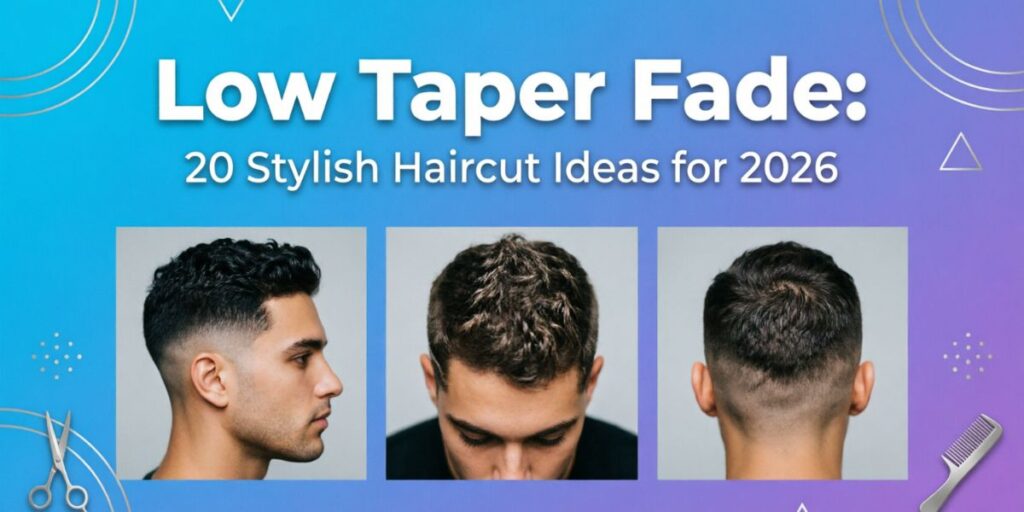
If you have been scrolling through TikTok or Instagram lately, you already know the low taper fade is everywhere. NBA players are wearing it. Barbers are posting tutorials about it. And Google searches for this style have exploded by over 200% in recent months. There is a solid reason for all that attention: this haircut just works.
It looks clean and sharp on almost every face shape, suits every hair type from tight coils to pin-straight strands, and requires far less maintenance than most men expect. Whether you are a student heading to class, a professional walking into the office, or someone getting ready for a wedding, the low taper fade adapts to the moment without missing a beat.
This guide covers everything you need to know: 20 fresh style ideas for 2026, how the low taper compares to other fades, how to talk to your barber, and how to keep it looking sharp between visits.
What Is a Low Taper Fade?
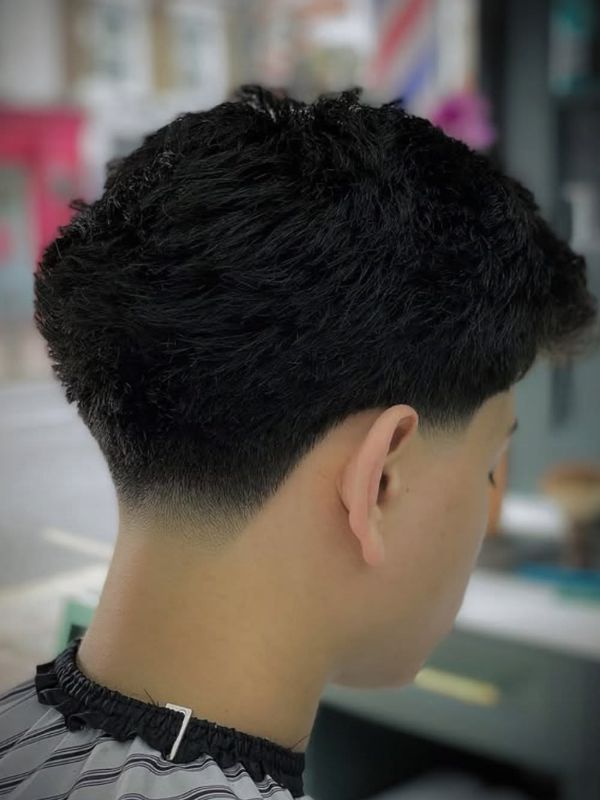
A low taper fade is a men’s haircut where the hair gradually shortens along the sides and back, starting just above the ears and around the neckline. The “low” in the name refers to where the blending begins. Unlike a mid fade that rises to the middle of the head, or a high fade that climbs toward the temples, the low taper fade stays subtle and close to the natural hairline.
Most barbers begin blending with a number 2 or number 3 guard (roughly 6 to 10 mm) and work downward toward shorter lengths near the neckline. The result is a smooth, natural-looking gradient that frames the head without creating a dramatic contrast.
What makes it different from a skin fade is that it does not go all the way down to bare skin. The transition is softer, which gives the haircut a refined, everyday-wearable quality. It is often called the most beginner-friendly fade because it is polished without being aggressive.
Key benefits at a glance:
- Works on straight, wavy, curly, and coily hair
- Suits oval, square, round, heart, and diamond face shapes
- Stays sharp for 2 to 3 weeks before needing a touch-up
- Pairs well with almost every top style imaginable
- Appropriate for both professional and casual settings
Best Low Taper Fade Haircuts by Style
Low Taper Fade with Curly Hair
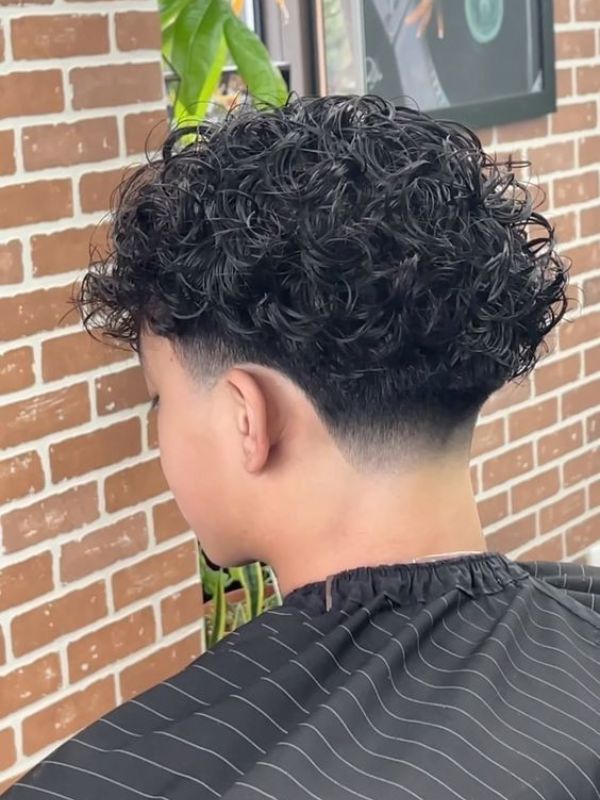
Curly hair and a low taper fade are a natural match. The fade keeps the sides clean and structured while allowing the curls on top to do exactly what they do best: spring up with volume and personality. This combination gives curly-haired men a look that feels effortless yet intentional.
For tight coils or looser waves, the key is to leave enough length on top so the curls have room to form properly. Ask your barber to taper low around the ears and neckline, keeping the top at 2 to 3 inches so curls can sit with lift and definition. Finish with a light curl cream or mousse and scrunch gently to lock in the shape.
Best for: Type 2, 3, or 4 hair textures. Works especially well on oval and square face shapes.
Short Hair with Low Taper Fade
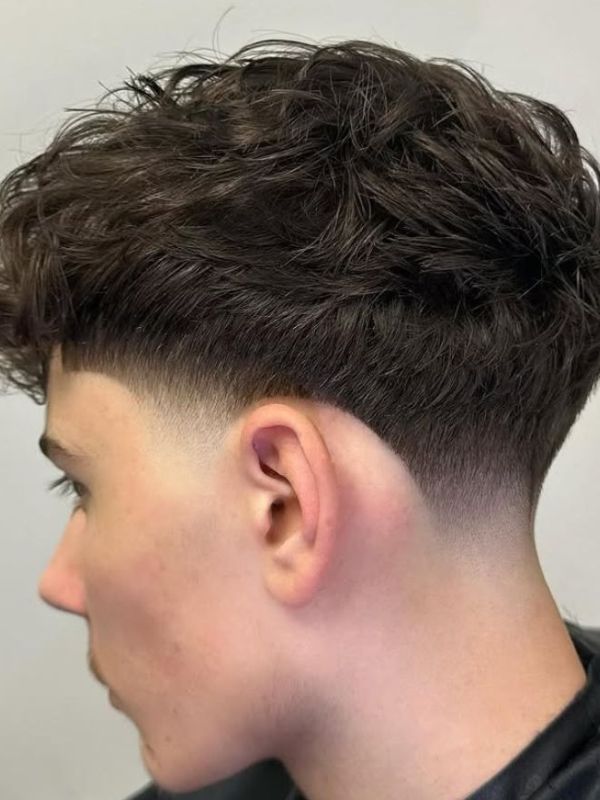
For men who want a clean, zero-fuss look, short hair with a low taper fade is as practical as it gets. The top stays short and slightly textured while the sides taper down smoothly, creating a structured shape without needing much product or time in the morning.
This style is especially popular in professional environments because it looks polished without feeling stiff. A lightweight wax or matte clay applied to the top is all it takes to finish the look in under two minutes. It suits almost every face shape and works on straight, wavy, and even slightly curly hair.
Read This: Buzz Cuts for Asian Men: 24 Sharp & Stylish Looks 2026
Low Taper Fade with Design
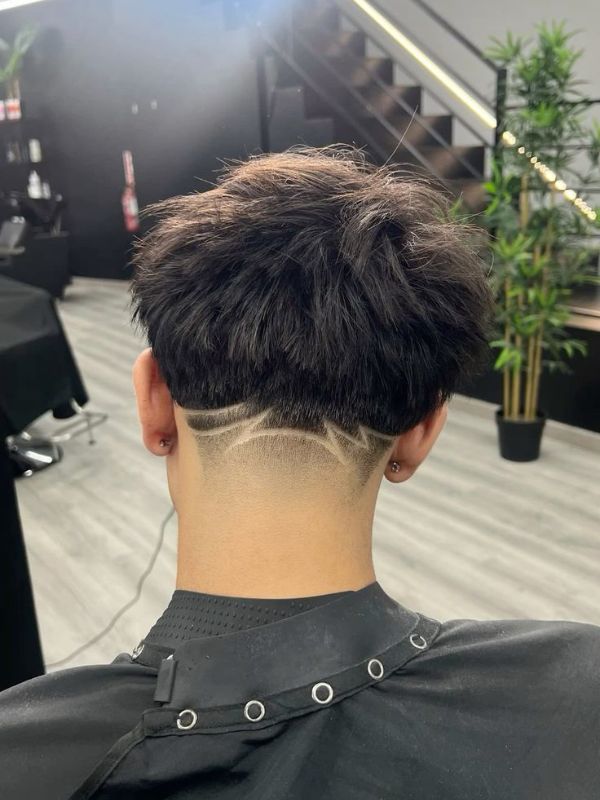
If you want to take the classic fade a step further, a razor design on the side adds a bold personal statement. Barbers can etch geometric lines, waves, tribal patterns, or custom artwork into the faded area using a straight razor or a detail trimmer.
Design fades are particularly popular among younger men and athletes who want their haircut to stand out. Keep in mind that intricate designs require a skilled barber and will need refreshing more often since the design blurs as the hair grows back. Pair with a clean top and sharp lineup for maximum impact.
Textured Crop + Low Taper
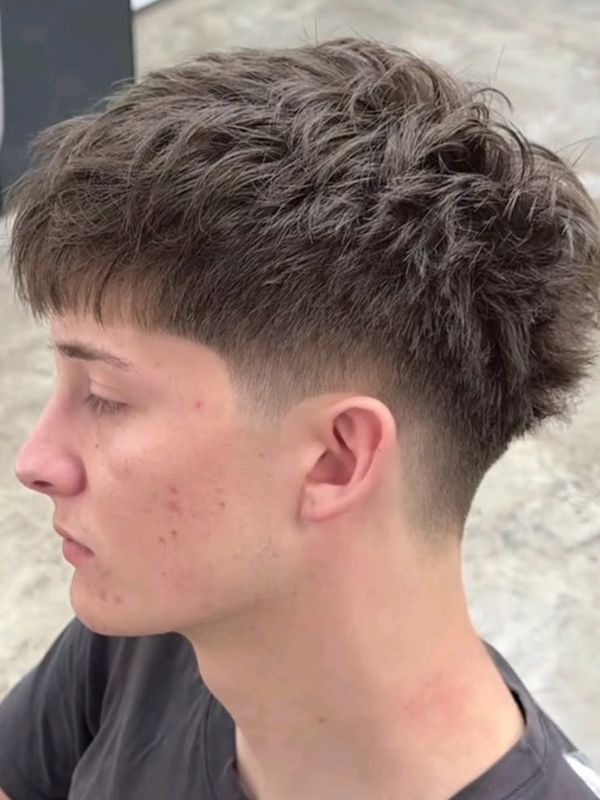
The textured crop with a low taper fade has been a dominant style in men’s grooming for several years, and it is not going anywhere in 2026. The top features short, choppy layers that add natural volume and movement, while the low taper on the sides and back keeps the overall shape clean and defined.
A blunt fringe at the front adds boldness to the look. Style with a matte clay or texturizing paste for a natural finish that holds without looking stiff. This cut works well on straight to wavy hair and suits square, oval, and round face shapes particularly well.
Buzz Cut with Low Taper Fade
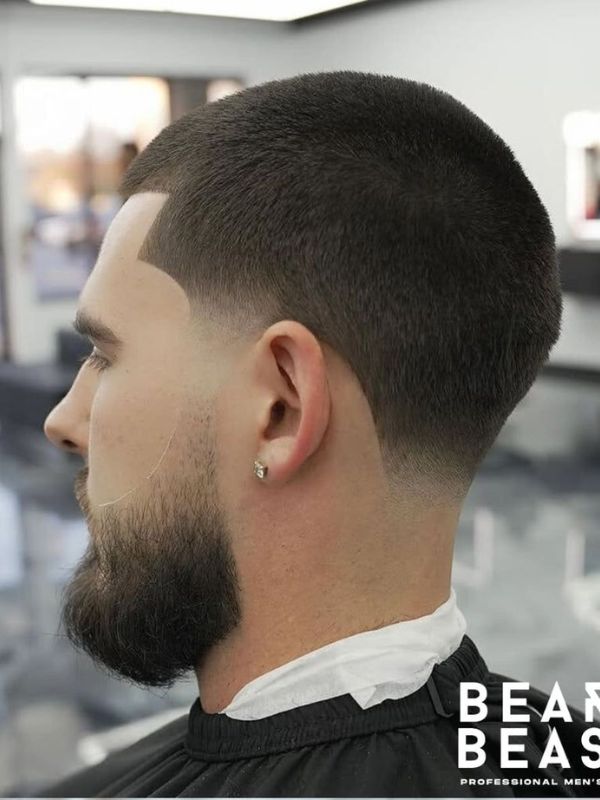
The buzz cut with a low taper fade takes a military-inspired classic and gives it a modern edge. The top is cut uniformly short with clippers, and the taper fade creates a smooth transition from the sides into that close-cropped length on top.
This combination looks incredibly sharp and requires almost no daily styling. It highlights the jawline and facial structure, making it a strong choice for men with defined bone structure. Touch-ups every 2 to 3 weeks keep it looking razor-sharp. Add a clean beard for an even more authoritative finish.
Faux Hawk with Low Taper Fade
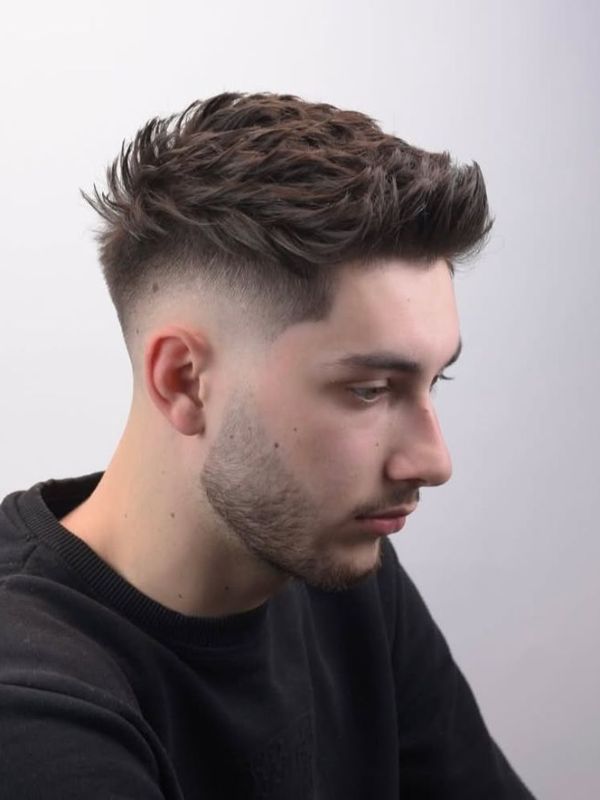
The faux hawk gets a more refined, wearable update when paired with a low taper fade. Instead of the dramatic skin fade typical of traditional faux hawk cuts, the low taper keeps the sides fuller while still creating enough contrast to make the central ridge of hair pop.
Style the top by applying a strong-hold pomade or styling cream, then pushing the hair upward from both sides toward the center. The result is a lifted, directional shape that looks edgy without crossing into over-the-top territory. Ideal for men with thick hair who want something with attitude.
Low Taper Fade with Beard
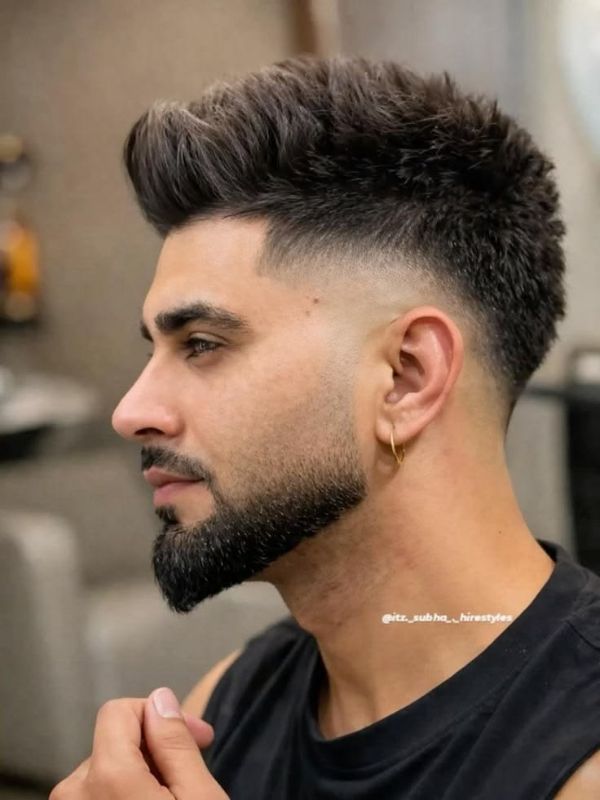
Pairing a low taper fade with a beard is one of the most popular grooming combinations for men right now. When the barber skillfully blends the fade into the beard at the sideburns, the result is a seamless, unified look that frames the entire face.
The fade flows naturally into the beard rather than ending abruptly, eliminating any harsh line between the head hair and facial hair. Use a quality beard trimmer to maintain the shape and keep the edges clean between barber visits. A matte styling cream on top and beard oil on the facial hair rounds out the look beautifully.
Low Taper Fade Afro
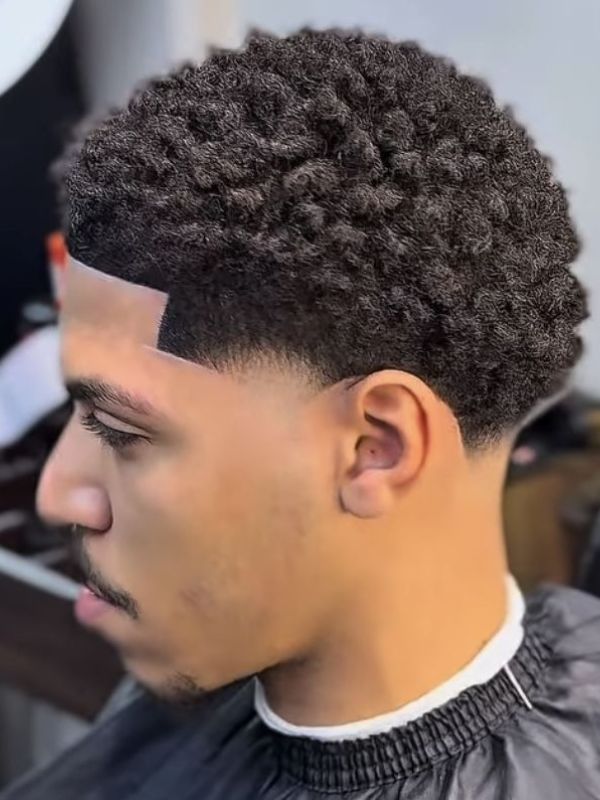
The afro with a low taper fade is a culturally rich and visually striking style that celebrates natural texture in its most expressive form. The low taper keeps the sides shaped and clean, while the top grows into a full, rounded afro that showcases the hair’s natural volume and spring.
This style is deeply connected to Black culture and identity, and wearing it is both a fashion statement and a form of self-expression. Regular moisturizing with a leave-in conditioner or natural oil is essential to keep the afro hydrated and defined. A wide-tooth comb or afro pick helps maintain even volume and shape.
Low Taper Fade with Twists or Locs
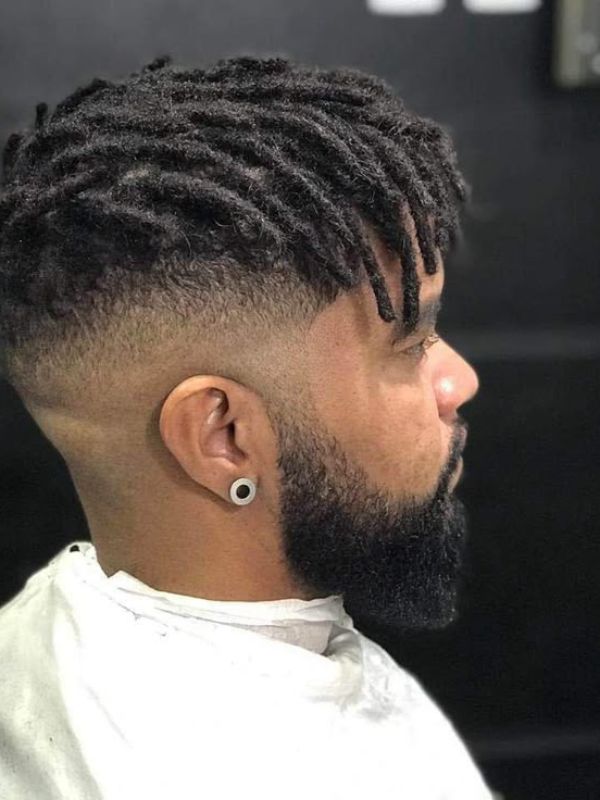
Twists and locs pair beautifully with a low taper fade because the tapered sides provide clean contrast against the structured texture on top. Whether you have two-strand twists, finger coils, starter locs, or mature freeform locs, the low taper grounds the entire look and gives it a polished finish.
This style works at every length. Shorter locs benefit from the definition the taper provides, while longer locs create a dramatic length-to-fade contrast. Keep the scalp moisturized and retwist as needed to maintain neatness. The taper itself only needs refreshing every 2 to 3 weeks.
Comb Over with Low Taper Fade
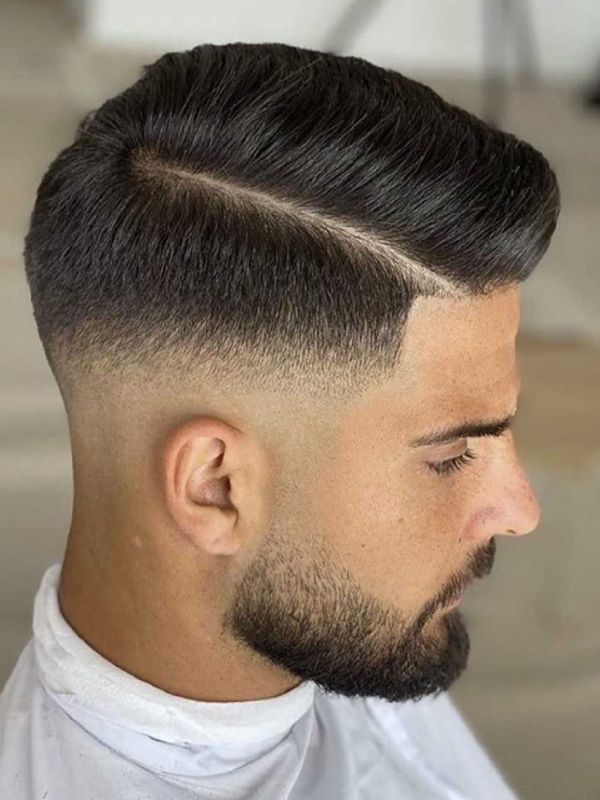
The comb-over with a low taper fade is a timeless gentlemen’s style that blends old-school elegance with contemporary grooming. The hair on top is parted cleanly on one side and swept across, creating a sleek, structured look that works just as well in a boardroom as it does at a weekend brunch.
For the cleanest result, ask your barber to add a hard part using a razor. Apply a medium-hold pomade and use a fine-tooth comb to lay the hair flat and smooth. This style suits straight and slightly wavy hair best and looks particularly sharp on oval and square face shapes.
Low Taper Mullet
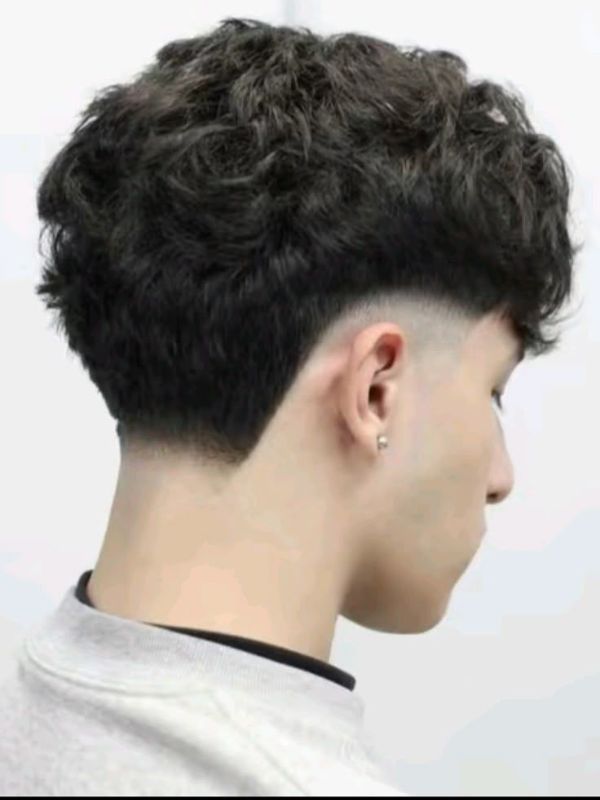
The mullet is officially back, and Gen Z has fully embraced it. The low taper mullet takes the classic “business in the front, party in the back” concept and modernizes it with clean, blended sides instead of a dramatic drop. The result is less retro costume and more intentional street style.
The front and sides stay short and structured, while the back flows longer, creating that signature mullet silhouette. Using different guard lengths to blend the sides into the back creates a smooth, dimensional transition. This cut thrives on texture. A light texturizing spray adds movement without weight.
Low Taper Fade Kids
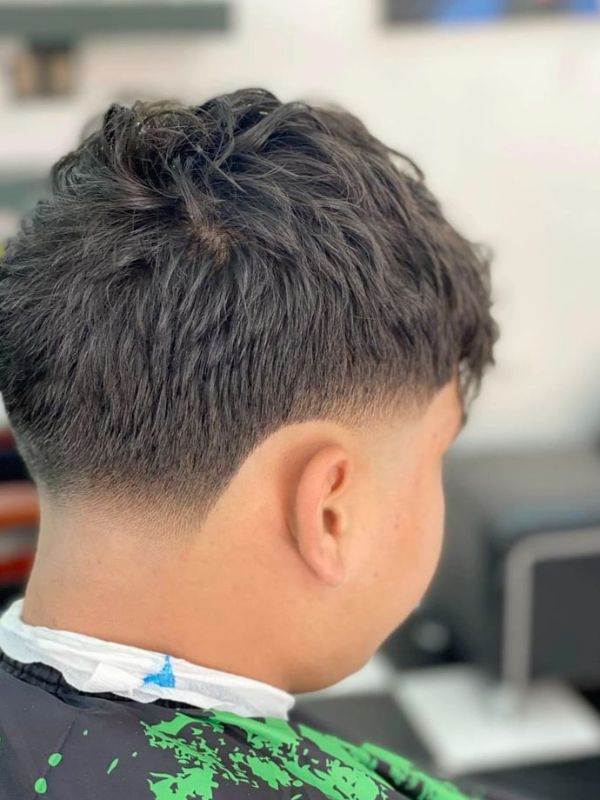
The low taper fade is one of the most popular haircuts for boys of all ages right now. It is easy to maintain, looks tidy and presentable for school, and can be styled in multiple ways depending on the child’s preference.
For younger kids, a softer taper with a rounded top keeps the look age-appropriate and easy to manage at home. Older boys might want a cleaner line, a design, or a side part added for more personality. The fade grows out gracefully, so parents do not need to rush back to the barber every week.
Low Taper Fade Haircut Black
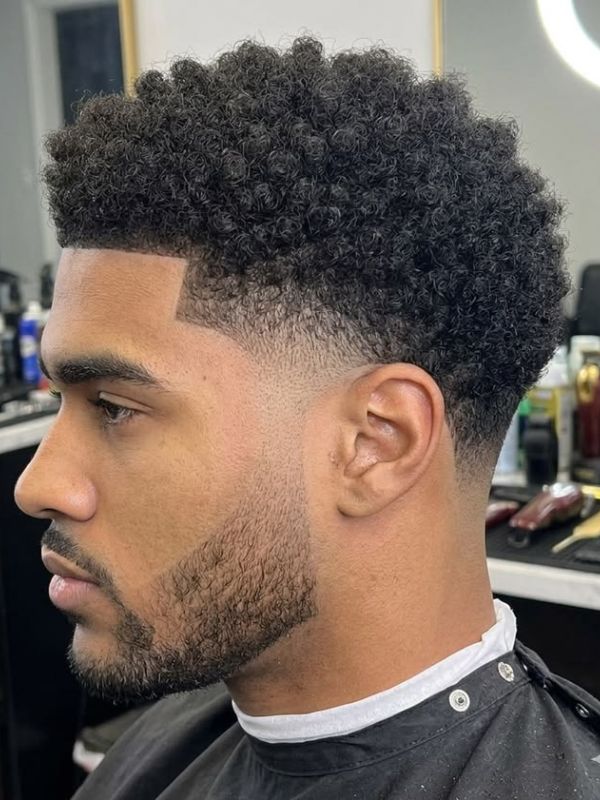
The low taper fade has deep roots in Black barbering culture and remains one of the most celebrated and requested styles in Black communities worldwide. Black barbers have long elevated this haircut into an art form, using precision lining, skin fades, and creative designs to create styles that are bold, culturally expressive, and deeply personal.
For Black men with type 4 coily hair, the low taper fade accentuates the natural texture on top, whether it is a fresh fade paired with an afro, twists, a temp fade, or a clean caesar cut. The edges are typically lined up sharply to complete the look, which adds a crisp, confident finish that speaks for itself.
Low Taper Fade V
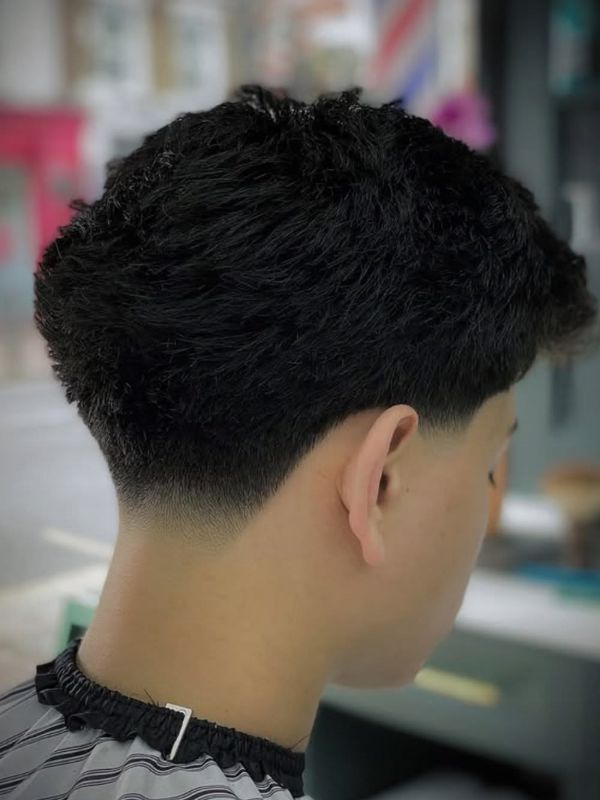
The V-cut taper at the neckline is a distinctive variation that adds a geometric detail to the back of the haircut. Instead of following the natural rounded hairline at the nape, the barber carves a subtle V shape into the back, creating a sharp visual accent that sets this style apart.
This detail is especially eye-catching when the hair is cut short and the neckline is fully visible. It adds an artistic touch without making the overall look too loud. Pair it with a clean top style and sharp lineup for a well-rounded, intentional finish.
Spiky Hair with Low Taper
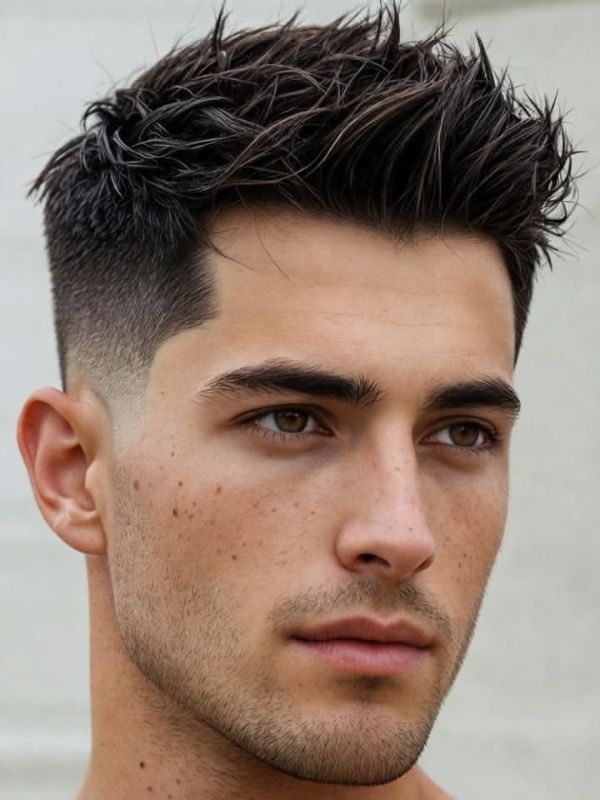
Spiky hair on top with a low taper fade on the sides creates a bold, energetic look full of personality. The spikes add upward texture and volume, while the clean taper below grounds the style and keeps it from looking messy.
To get defined spikes, work a strong-hold gel or wax through slightly damp hair and push sections upward with your fingers or a comb. The low taper prevents the overall silhouette from becoming too wide, which keeps the proportions looking sharp. This style suits straight to slightly wavy hair and works best for men with thicker strands.
Low Taper Fade with Side Part
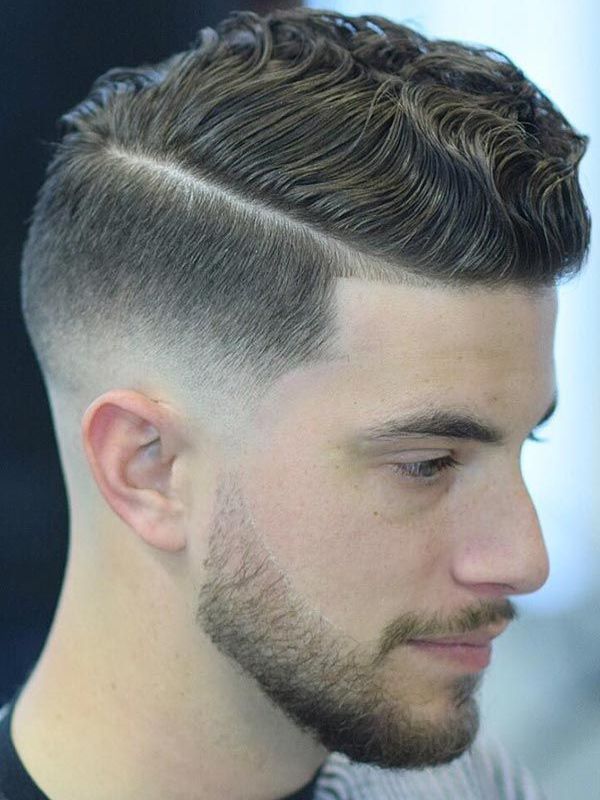
The side part with a low taper fade is one of the most versatile and universally flattering combinations in men’s grooming. The side part itself creates a clean, structured line across the top, and the low taper fade on the sides adds definition without stealing the spotlight from the parted style above.
You can wear the side part loose and casual with a matte product, or sleek and formal with a medium-hold pomade. It is equally at home at a job interview and at a backyard gathering. Men with straight, wavy, or thick hair tend to get the sharpest results with this look.
Modern Pompadour + Low Taper Fade
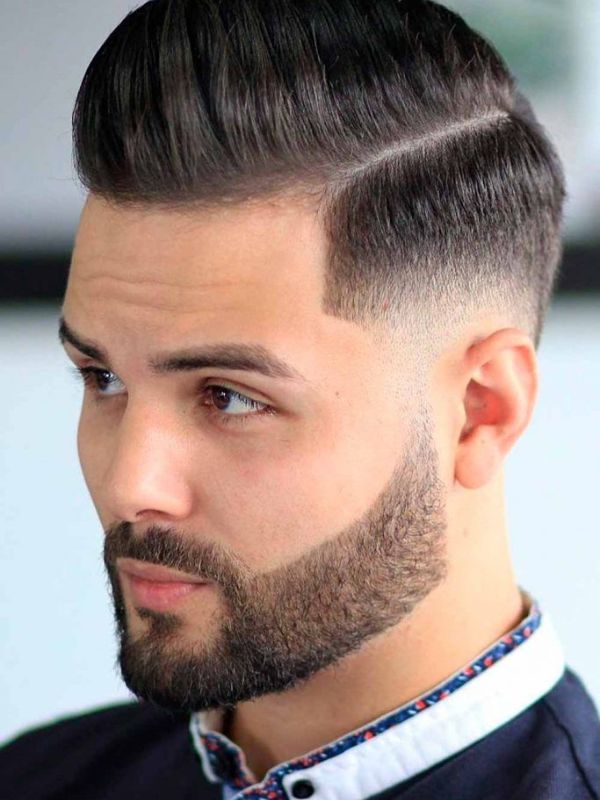
The modern pompadour combined with a low taper fade is one of the most head-turning styles of 2026. The front of the hair is blown up and back, creating height and volume, while the low taper on the sides keeps everything streamlined and balanced beneath all that volume on top.
Unlike the dramatic pompadours of decades past, the modern version has a softer, more natural finish. Blow-dry the hair upward and back using a round brush, then secure with a medium-hold pomade or paste. The result is a confident, polished silhouette that works for both special occasions and everyday wear.
Fluffy or Messy Top with Tapered Sides
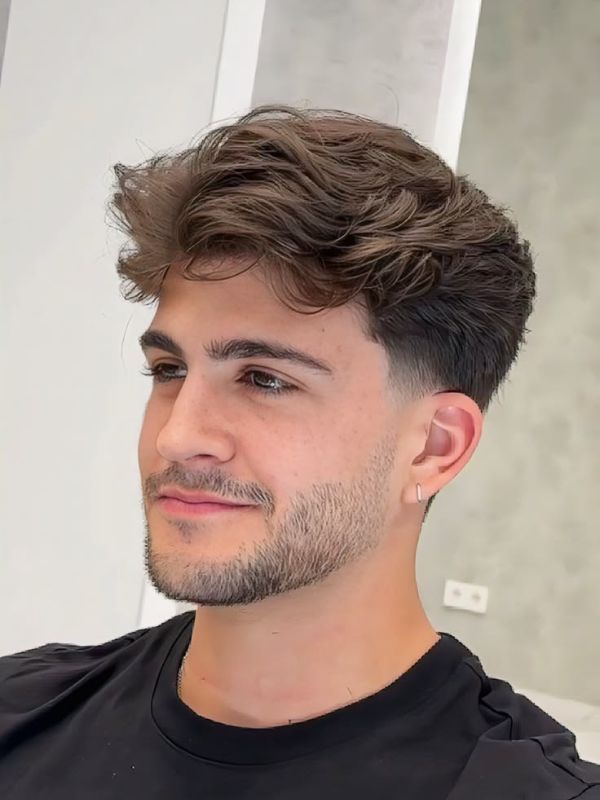
The fluffy or messy top with tapered sides is the ideal choice for men who want a relaxed, effortless look that still has structure. The top is left slightly longer and styled loosely, creating soft volume without precise shaping, while the low taper on the sides frames the head cleanly.
This style suits men with wavy or naturally voluminous hair particularly well. A lightweight mousse or sea salt spray enhances the natural texture and adds a lived-in quality that makes the style look intentional without looking over-styled. It is easy to pull off on busy mornings.
Low Taper with Straight Hair
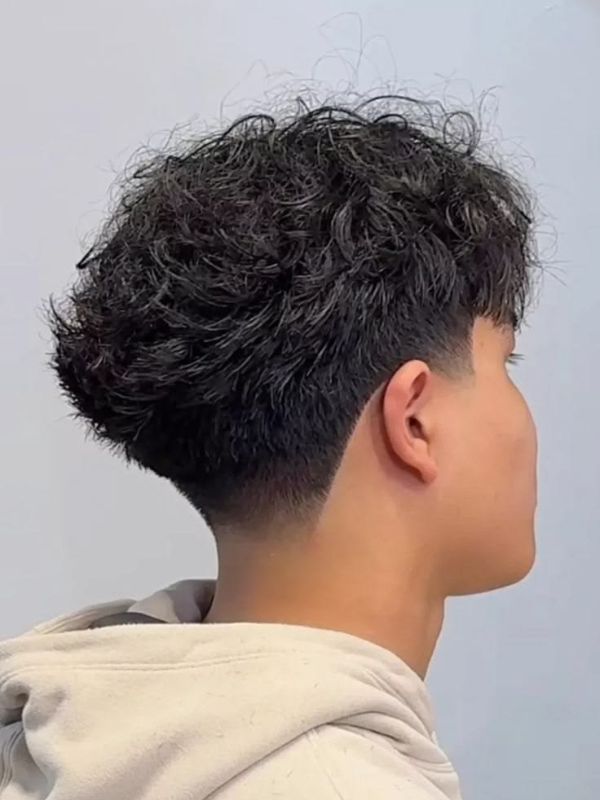
Straight hair and a low taper fade create one of the cleanest, most classic combinations in men’s haircuts. The natural smoothness of straight hair means the fade blends effortlessly and every detail of the taper is visible and precise.
Straight-haired men can pair the low taper with a slick-back, a side part, a textured crop, or even a quiff for variety. A medium-hold pomade gives straight hair the grip and shine needed for structured styles. The taper grows out gracefully on straight hair, which means the look stays presentable longer between barber visits.
Long Hair with Low Taper Fade
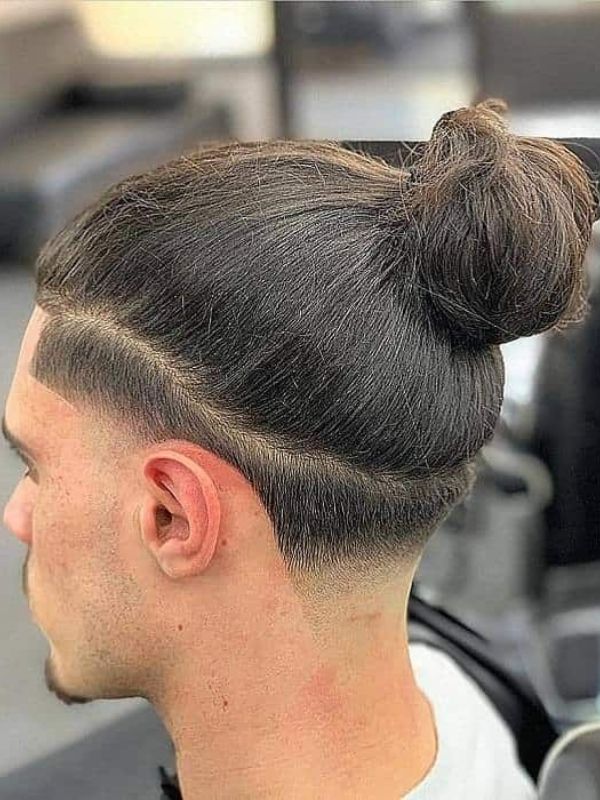
Long hair with a low taper fade is for men who want the best of both worlds: flowing length on top with clean, sharp sides. The contrast between the longer top and the tapered sides creates a striking visual that bridges casual surfer energy with streetwear polish.
Ask your barber to fade low around the ears and neckline while leaving significant length on top so you can tie it back, let it flow, or push it into a loose top knot. Use a lightweight styling cream or hair oil to add shine and reduce frizz. This look suits wavy, straight, and even loosely curly hair.
Low Taper Fade vs High Taper Fade: What’s the Difference?
Understanding the difference between a low and high taper fade helps you ask for exactly what you want at the barbershop.
| Feature | Low Taper Fade | High Taper Fade |
| Where fade starts | Just above the ears and neckline | Near the temples and crown |
| Contrast level | Subtle and gradual | Bold and dramatic |
| Best for | Professional, everyday looks | Trendy, statement styles |
| Face shapes | Most face shapes | Round or oval faces |
| Styles it pairs with | Comb over, crop, curly top | Faux hawk, mohawk, fringe |
| Maintenance | Every 3 to 4 weeks | Every 2 weeks |
| Best hair types | All hair types | Thick or coily hair |
The low taper fade is the more conservative option that keeps more side hair visible and creates a softer overall shape. The high taper fade is louder, more dramatic, and draws more attention to the top style. If you are new to fades or prefer a polished, professional appearance, start with the low taper.
Taper Fade vs Skin Fade: Which One Do You Need?
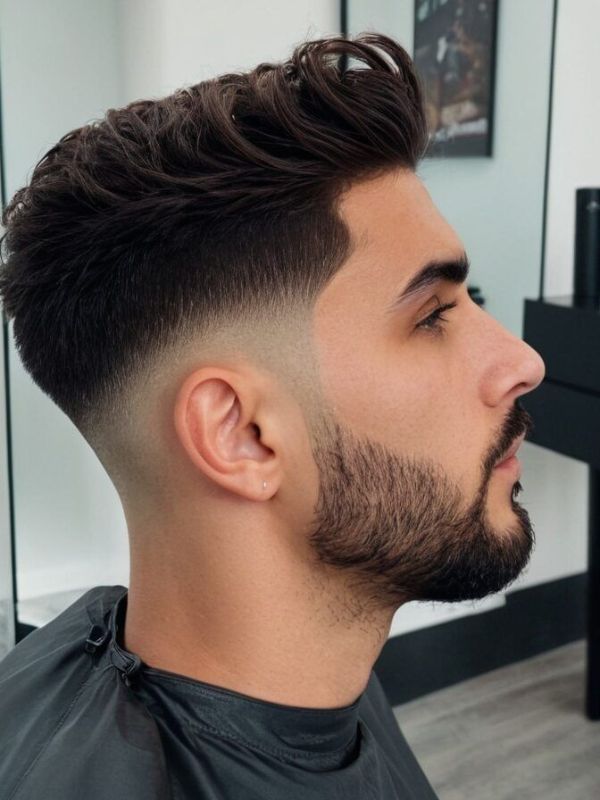
Both the taper fade and skin fade start with gradual blending, but they end very differently.
| Feature | Taper Fade | Skin Fade |
| Shortest length | Short clipper guard (1 or 2) | Bare skin (zero) |
| Look | Soft and natural | High contrast and sharp |
| Maintenance | Every 3 to 4 weeks | Every 2 weeks or sooner |
| Best for | Low-key, refined style | Bold, dramatic style |
| Scalp care needed | Minimal | Moisturizer required |
| Grows out | Gracefully | Stubble visible quickly |
A taper fade is the subtler choice. It blends the hair gradually but never goes down to bare skin. A skin fade takes the hair all the way down to the scalp at the bottom, creating a sharp, high-contrast line. Skin fades require more frequent maintenance because stubble becomes noticeable within just a few days at the shaved area.
If you want something clean but not too bold, the taper fade is your answer. If you want maximum sharpness and edge, go for the skin fade.
How to Ask Your Barber for a Low Taper Fade?
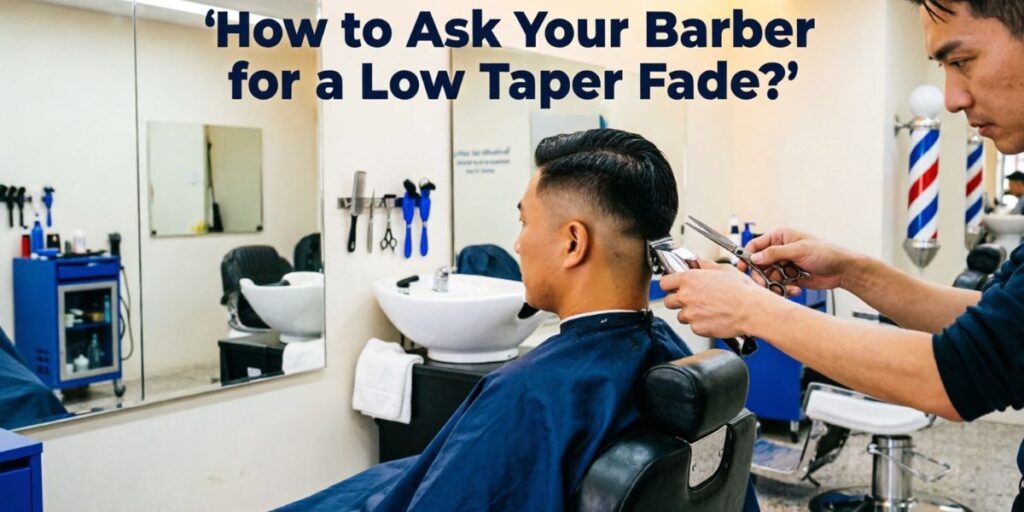
The clearest communication at the barbershop leads to the best results. Here is exactly what to say and do:
- Use the correct term. Say “low taper fade” rather than just “fade” or “taper.” These are different techniques and your barber needs to know which one you want.
- Bring a reference photo. Find a style from this article or from Instagram and TikTok. A visual reference eliminates guesswork and takes seconds to share from your phone.
- Specify your neckline preference. Tell your barber whether you want a square neckline, a rounded neckline, or a V-shaped neckline at the back.
- Describe the top. Explain how long you want to keep the top and what style you are going for. Do you want it textured, slicked back, curly, or left natural?
- Mention any design details. If you want a hard part, a razor line, or a geometric design, say so before the cut begins.
- Communicate your lifestyle. Let your barber know if you want something low-maintenance or if you are willing to style it daily. This helps them suggest the best approach for you.
A simple script: “I would like a low taper fade, starting just above the ears and blending down to the neckline. Keep the top around two inches and add some texture. I want a natural neckline, nothing too sharp.”
How to Retain a Low Taper Fade at Home?
The right home care routine keeps your low taper fade looking fresh between barber visits and extends the life of your cut significantly.
Keep it Tidy
Use a detail trimmer to clean up stray hairs along the neckline and around the ears between visits. You do not need to redo the entire fade at home, just maintain the outline so it stays sharp. Do this every 5 to 7 days for the cleanest look.
Skin Care
The skin around the faded areas is exposed and can become dry, irritated, or prone to razor bumps. Apply a lightweight, non-comedogenic moisturizer to the sides and neckline after showering. Men with sensitive skin should look for products containing aloe vera or shea butter to soothe any irritation.
Style with Ease
Use the right product for your hair type. Matte clay or paste works well for textured and natural styles. Pomade adds shine and hold for slick-back or comb-over looks. Curl cream defines curly hair without weighing it down. Apply products to slightly damp hair for the best distribution and hold.
Regular Touch-ups
Even if you maintain things at home, set a reminder to visit your barber on a consistent schedule. Touch-ups should happen between full haircuts to keep the taper line precise. A 15-minute touch-up every 2 weeks makes a significant difference in how the style holds up over time.
Barber Visits
Most barbers recommend a full haircut every 3 to 4 weeks for a low taper fade. If you prefer it looking extremely crisp, visit every 2 weeks. The gradual grow-out of a low taper is one of its advantages since the blend disguises new growth better than a skin fade does. Still, regular visits keep the shape intentional.
Clean the Trimmer
A dirty or dull trimmer blade pulls at the hair rather than cutting cleanly, which leads to uneven lines and skin irritation. Clean your trimmer blade after every use with a soft brush and apply a few drops of clipper oil to keep the blade sharp. Replace blades every few months or when you notice tugging.
Protect Your Scalp Skin
The faded areas of a low taper expose the scalp to sun, wind, and pollution more than longer hair does. Apply a light SPF moisturizer or wear a hat when spending extended time outdoors. Sunburned scalp skin is both uncomfortable and damaging to the overall appearance of the fade. Keep the scalp clean with gentle shampoo twice a week to prevent buildup around the hairline.
Final Thoughts
The low taper fade has earned its place as one of the most requested and beloved haircuts of 2026 for good reason. It is genuinely versatile, works across hair types, face shapes, and age groups, and holds up in every setting from casual to formal. Whether you choose a curly top, a clean comb-over, a textured crop, or a bold pompadour, the low taper fade underneath ties the whole look together with clean, confident lines.
The 20 styles covered in this guide are just a starting point. The real power of the low taper fade is how easily it adapts to your personal identity and lifestyle. Take a reference photo, walk into your barbershop, communicate clearly, and leave with a cut that genuinely works for you.
Stay consistent with your home care, keep your barber appointments, and the low taper fade will keep rewarding you with a sharp, fresh appearance all year long.
