

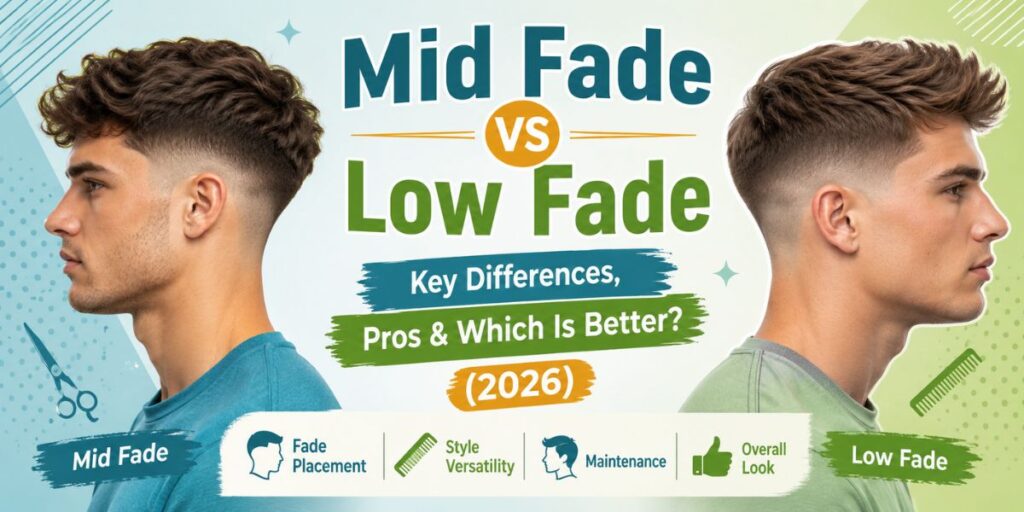
Picking a fade sounds simple until you sit in the barber chair and realize there are several versions of the same haircut. Two of the most requested options in 2026 are the mid fade and the low fade, and while they look similar in photos, they create different results once the clippers start moving.
This guide breaks down mid fade vs low fade, including how they differ, which suits your hair type and face shape, and how to avoid common mistakes. By the end, you will know exactly what to tell your barber.
Understanding the Basics: What Makes Each Fade Unique
Before comparing the two styles directly, it helps to understand what a fade actually is. A fade is a haircut where the hair on the sides and back gradually shortens until it blends smoothly into the skin or into a very short length. This gradual blend separates a fade from a simple buzz cut or basic taper, and it also makes the longer hair on top stand out.
The difference between a low fade and a mid fade comes down to one thing: where the fading actually begins on the side of the head. That single detail changes how bold the haircut looks, how much maintenance it needs, and which face shapes and hair types it flatters most.
What Is a Low Fade?
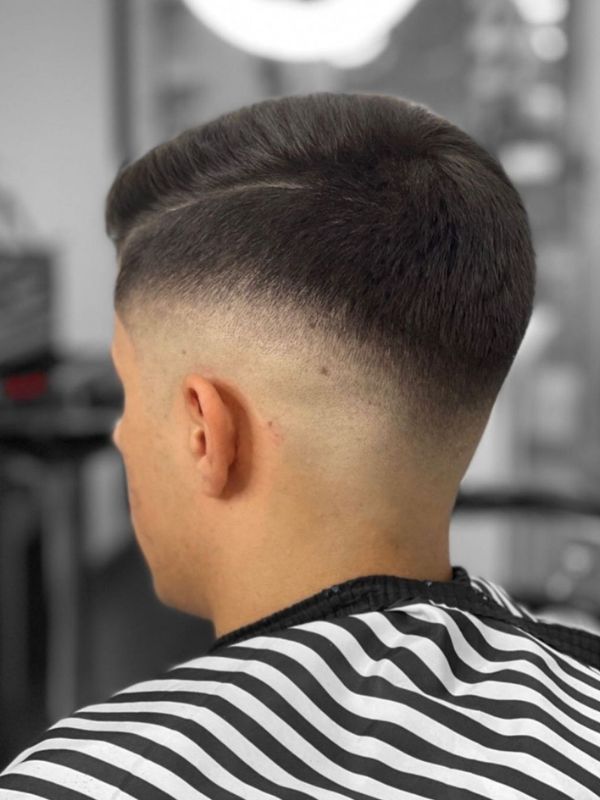
A low fade starts just above the ears and near the neckline, keeping most of the length on the sides intact for longer. Because the fading zone is smaller and sits closer to the bottom of the head, the transition feels soft and subtle rather than sharp.
This style is often described as the classic, understated choice. It does not expose much skin, which makes it a favorite among men who want a clean look without drawing too much attention to the haircut itself. It pairs naturally with side parts, comb overs, classic crops, and even longer styles like man buns.
What Is a Mid Fade?
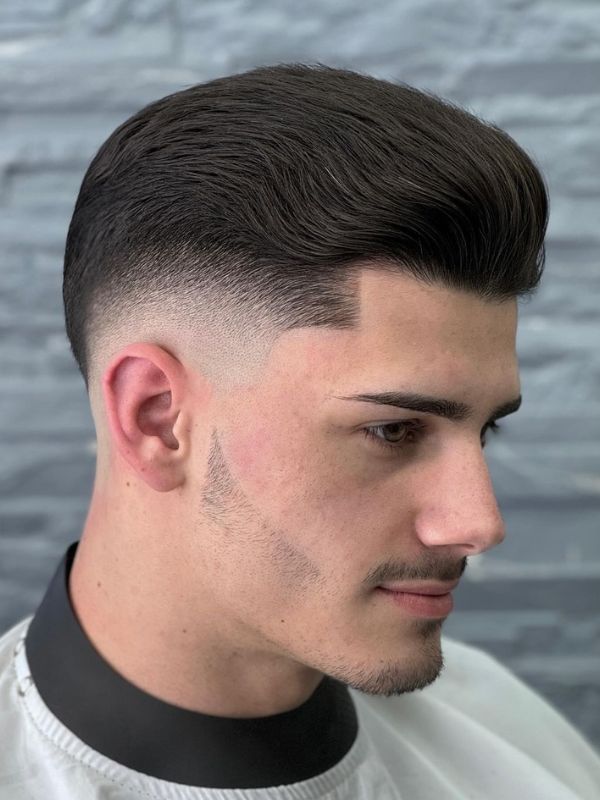
A mid fade begins around the middle of the sides, generally close to the temple area. Since the fading zone starts higher up the head, it creates more visible contrast between the short sides and the longer top.
This version sits right in the middle of the fade spectrum. It is bolder than a low fade but calmer than a high fade, which is exactly why so many men consider it the most versatile option. It works well in both relaxed and semi formal settings and pairs beautifully with textured crops, quiffs, and modern pompadours.
Mid Fade vs Low Fade: Key Differences Breakdown
Here is a side by side look at how these two haircuts compare across the factors that matter most.
| Feature | Low Fade | Mid Fade |
| Starting point | Just above the ears and neckline | Around the temple, middle of the sides |
| Contrast level | Soft, subtle transition | Sharper, more noticeable contrast |
| Maintenance | Lower, grows out neatly | Higher, needs regular touch ups |
| Best for | Conservative or formal settings | Modern, fashion forward looks |
| Skin exposure | Minimal | Moderate to noticeable |
| Styling flexibility | Works well with classic tops | Works well with textured or voluminous tops |
The core takeaway is simple. A low fade offers a quiet, professional finish that grows out gracefully, while a mid fade delivers a livelier look that needs more frequent barber trips to stay sharp.
Low Fade vs Mid Fade: Which Style Suits Different Hair Types?
Hair texture plays a bigger role in fade selection than most people expect. The same haircut can look completely different depending on whether the hair is curly, straight, or coarse.
Read This: French Crop Low Fade 2026: Best Styles, Haircuts & Styling Guide
Low Fade vs Mid Fade Curly Hair
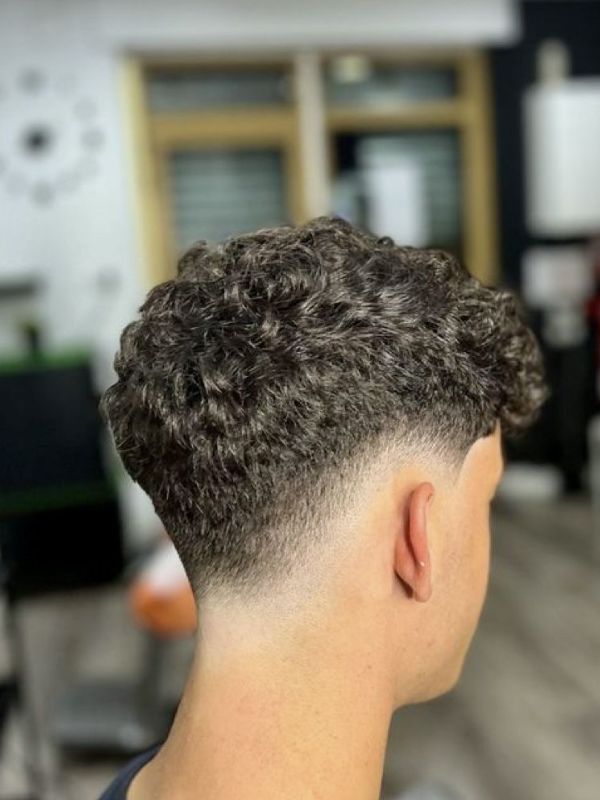
Curly hair has natural volume and bounce, so a low fade often works best because it keeps more length on the sides to balance the curls on top. A mid fade still works well on curly hair, but it puts more emphasis on the curl pattern since more skin shows near the temples. Men who want curls to remain the focus lean toward the low fade, while those who want a bolder frame choose the mid fade.
Mid Fade vs Low Fade Straight Hair
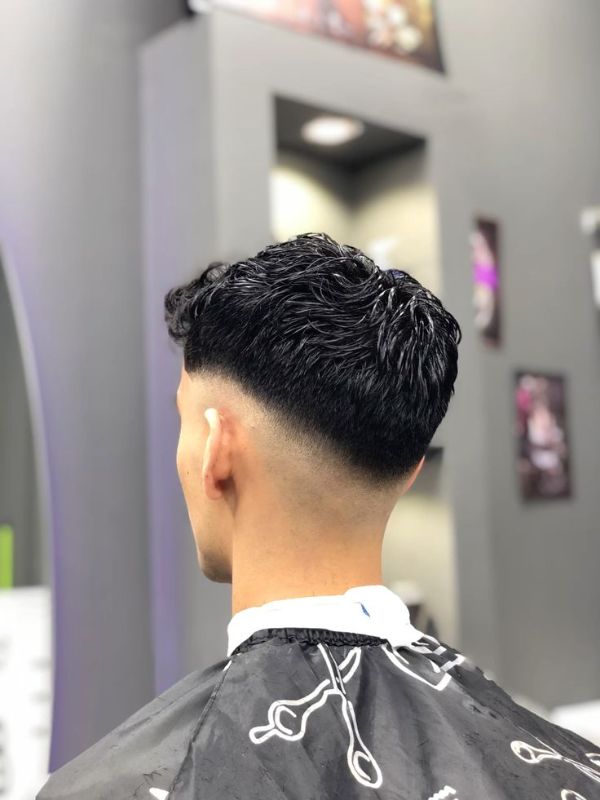
Straight hair, especially thick straight hair, holds its shape well with either fade. A mid fade is often recommended because the added contrast highlights the smoothness and gives the cut a sharper outline. A low fade still works nicely for fine or thin straight hair, since it avoids drawing attention to areas where volume might be lacking.
Mid Fade vs Low Fade Black Hair
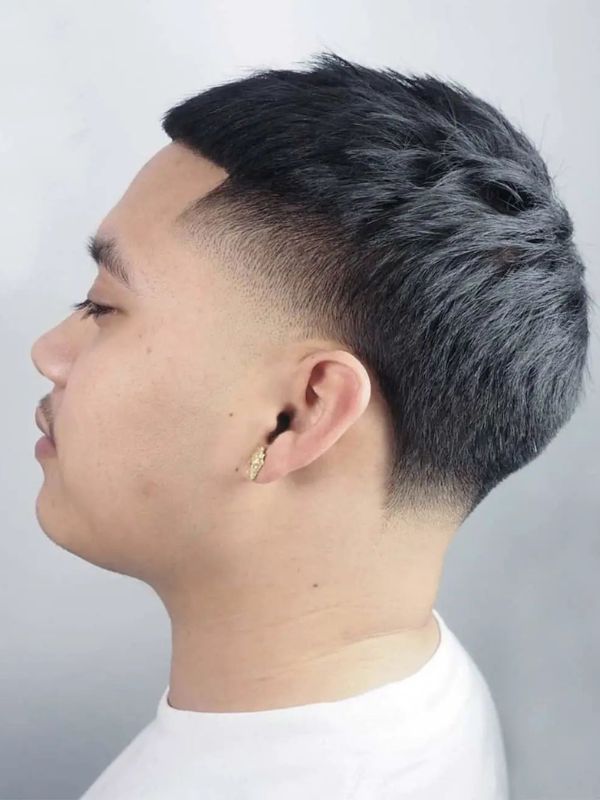
For coarser, tightly coiled textures common in Black hairstyles, both fades are popular, and the decision often comes down to how much contrast a person wants against the natural texture on top. A low fade complements afros, twists, and waves by keeping the sides fuller and softer. A mid fade creates a crisper line that works especially well with tighter cuts, waves, and designs, since the added height makes patterns and edges stand out more clearly.
Exploring Taper Variations: Low Taper Fade vs Mid Taper Fade
Taper fades are a softer cousin of the standard fade, blending more gradually with less dramatic contrast. The same low versus mid comparison applies here too.
Low Taper Fade vs Mid Taper Comparison
A low taper fade starts near the ears and creates a soft, natural finish that barely exposes skin, making it one of the lowest key options available. A mid taper fade starts higher on the sides, around the middle of the head, and creates noticeably more contrast while keeping a slightly softer edge than a full mid fade.
| Factor | Low Taper Fade | Mid Taper Fade |
| Look | Soft and natural | Sharper and more stylish |
| Professional appeal | Very high | Moderate to high |
| Maintenance | Lower | Higher |
| Best pairing | Classic, everyday styles | Trendy, textured tops |
The Complete Fade Spectrum: Low vs Mid vs High Fade
To understand where the low fade and mid fade fit, it helps to see the entire spectrum, including the high fade.
Low Fade vs Mid Fade vs High Fade Overview
A low fade begins just above the ear for the softest look. A mid fade starts around the temple for a balanced middle ground. A high fade begins near or above the temple, exposing the most skin and creating the boldest contrast.
| Fade Type | Starting Point | Vibe |
| Low Fade | Just above the ears | Subtle, classic, professional |
| Mid Fade | Around the temples | Balanced, modern, versatile |
| High Fade | Near or above the temples | Bold, dramatic, attention grabbing |
Low vs Mid vs High Taper Fade Considerations
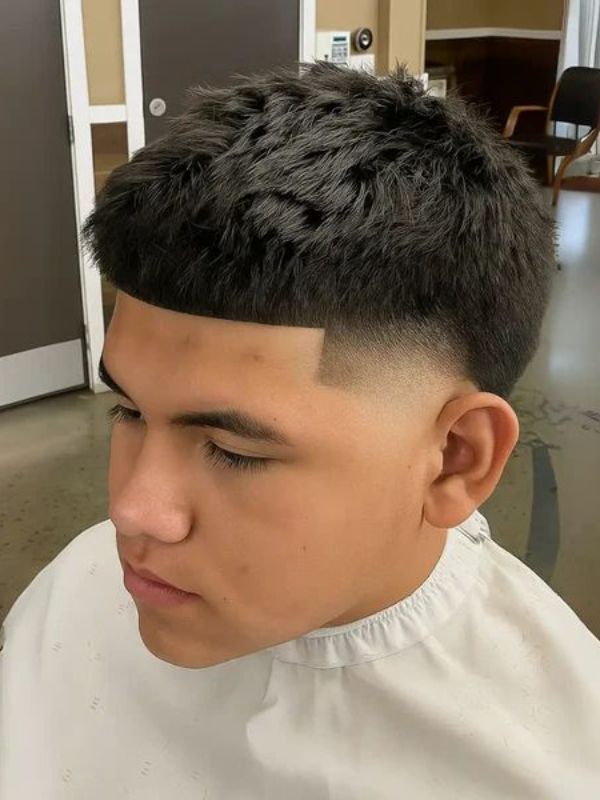
The same logic applies to taper versions. Low taper fades stay closest to the natural hairline, mid taper fades sit in the middle with moderate contrast, and high taper fades push the blend zone much higher for a sharper, faster transition. Choosing between them usually comes down to how much boldness a person is comfortable wearing daily.
Specialized Fade Variations: Skin, Drop, and Burst Fades
Once you understand the low versus mid comparison, it becomes easy to apply that same logic to specialty fades.
Low Skin Fade vs Mid Skin Fade
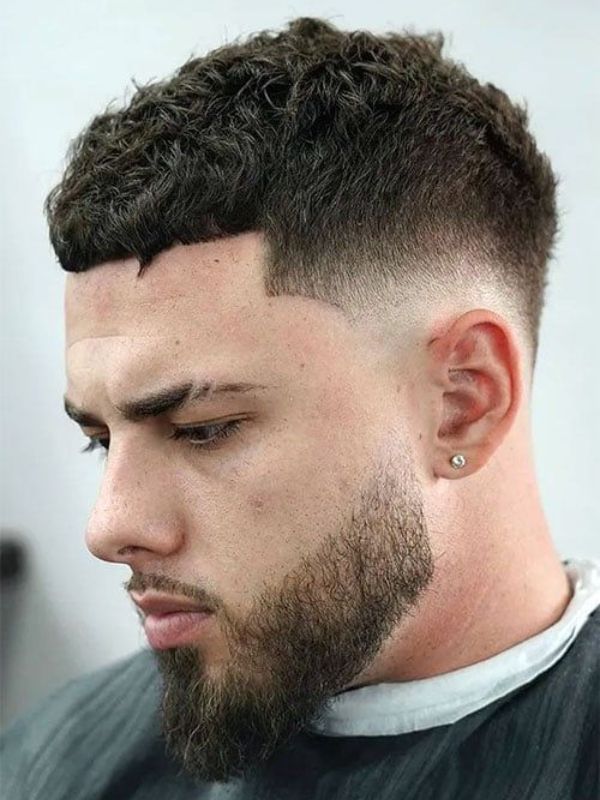
A skin fade takes the hair all the way down to the skin for maximum contrast. A low skin fade keeps that bald blend near the ears, offering a clean but understated finish. A mid skin fade moves the blend up toward the temples, creating a more dramatic and eye catching result.
Low Drop Fade vs Mid Drop Fade
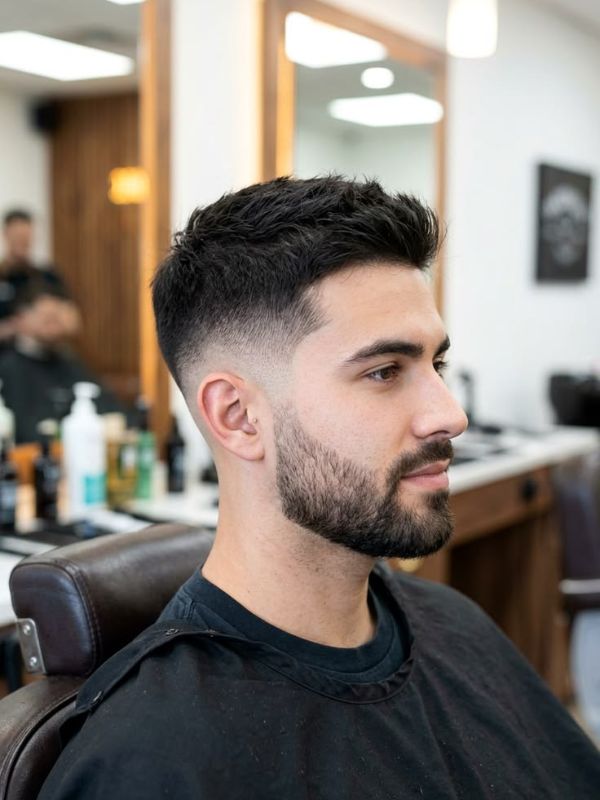
A drop fade curves downward behind the ear instead of following a straight line, adding a sculpted shape to the haircut. A low drop fade keeps this curve subtle and close to the neckline. A mid drop fade starts the curve higher up, giving the haircut a more sculpted, three dimensional appearance.
Low Burst Fade vs Mid Burst Fade
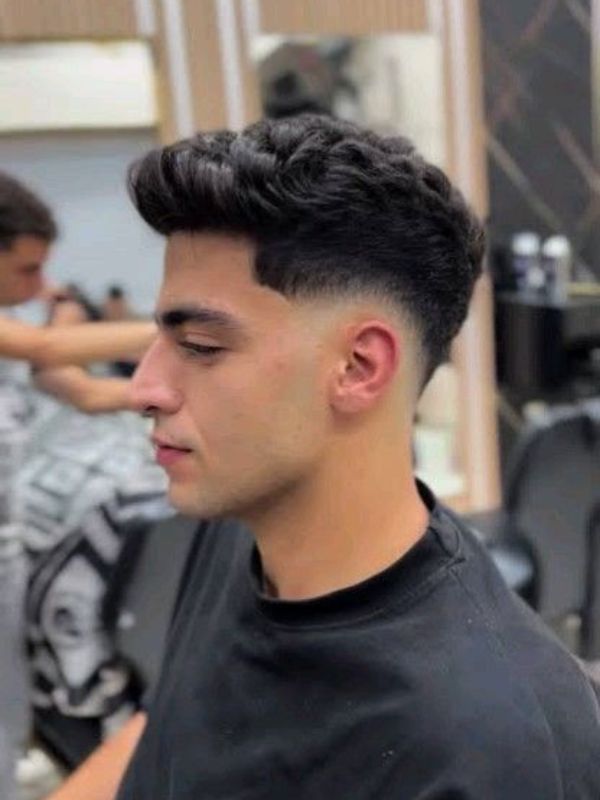
A burst fade curves around the ear in a semicircle rather than running in a straight line, often used with mullets or longer top styles. A low burst fade keeps that curve tight and close to the ear for a subtle effect. A mid burst fade extends the curve higher, creating more visible shape around the ear area.
Low Bald Fade vs Mid Bald Fade: The Boldest Options
A bald fade is another name for a skin fade taken to its most extreme point, where the hair fades completely down to the scalp. A low bald fade keeps this dramatic blend confined to the lower section near the ears, softening the overall boldness while still delivering sharp lines. A mid bald fade pushes that same skin level blend up toward the temple, resulting in one of the most striking, high contrast haircuts available. Men who want maximum boldness without going all the way to a high fade often settle on the mid bald fade.
Read This: Low Taper Fade Mullet: Best Styles, Hair Types & Trends 2026
Haircut Context: Making the Right Choice
Beyond hair type and styling preference, real life context matters just as much when choosing between these two cuts.
Low Fade Haircut vs Mid Fade Considerations
Think about your daily environment. A low fade haircut feels safer in traditional workplaces such as law, finance, and corporate offices where a conservative appearance is valued. A mid fade fits comfortably into relaxed or creative industries, including tech, design, and hospitality, where more personality in grooming is welcomed.
Low Fade vs Mid Fade Haircut Men Preferences
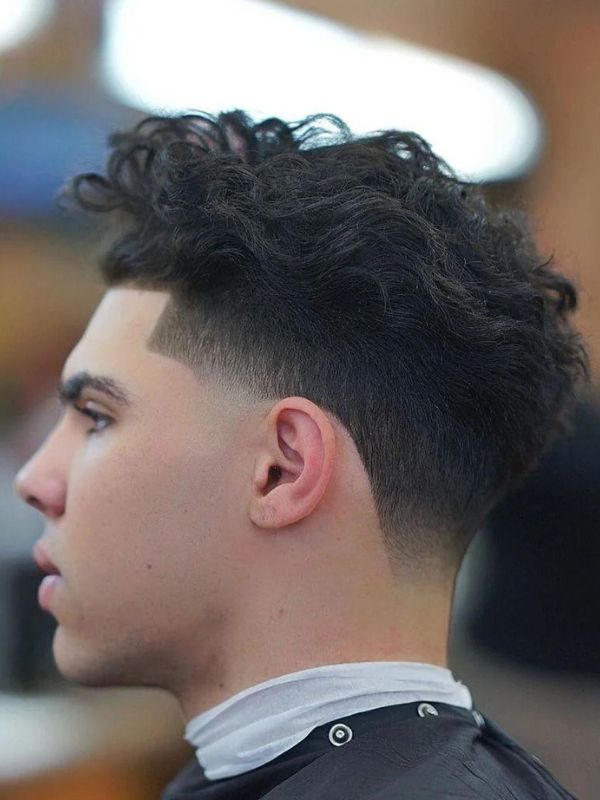
Personal taste plays a role too. Men who prefer a timeless, no fuss haircut that ages well in photos gravitate toward the low fade. Men who enjoy experimenting with trends and do not mind frequent barber visits tend to prefer the mid fade for its sharper, modern edge.
Practical Styling: Mid Fade vs Low Fade Haircut Execution
Getting either fade to look sharp comes down to preparation, technique, and consistency.
Getting the Cut Right
A skilled barber starts by discussing your hair type, face shape, and desired contrast level before picking up the clippers. For a low fade, the barber typically works with slightly longer guard lengths near the ear before blending downward. For a mid fade, the barber needs a steadier hand and more precise blending near the temple, since any unevenness is more noticeable at that higher starting point.
Bring a reference photo when possible. Saying “low fade” or “mid fade” helps, but showing an example removes guesswork and ensures you and your barber picture the same result.
Maintenance Requirements
Fades do not stay sharp forever, and knowing how often to book a touch up helps you keep the style looking fresh.
- Low fades typically need a refresh every three to four weeks.
- Mid fades usually need a trim every two to three weeks to keep crisp lines.
- Both styles benefit from a light scalp moisturizer, since fading exposes more skin than a standard cut.
- Quality clippers and a barber who understands natural hair growth direction make a noticeable difference in the final result.
Popular Combinations and Modern Trends
Fades rarely stand alone. They are almost always paired with a specific top style, and that pairing has a big influence on the overall look.
Mid Fade vs Low Fade with Different Top Styles
Low fades pair beautifully with side parts, slick backs, classic crops, and even longer textured tops, since the subtle sides let the top style take center stage. Mid fades work well with textured crops, modern quiffs, curly tops, and messy fringe styles, since the added contrast gives those looser top styles a cleaner, more structured frame.
Current Preferences in the Low vs Mid Fade Debate
Heading into 2026, the mid fade remains one of the most requested cuts in barbershops thanks to its balance of boldness and versatility. The low fade remains a dependable favorite for men who value a polished, professional appearance with less upkeep. Neither style is fading in popularity anytime soon.
Expert Tips for Each Fade Type
- Communicate your desired contrast level clearly, since “low” and “mid” can mean different things to different barbers.
- A receding hairline often looks less noticeable with a low fade than with a mid fade.
- Thinning hair can benefit from either fade, since shorter sides often make the top look fuller.
- Choose products based on your top style rather than your fade. Textured tops suit matte clay or paste, sleeker styles suit light pomade.
- Protect the scalp with sunscreen or a light moisturizer, especially with mid fades that expose more skin.
Common Mistakes to Avoid
Mistake #1: Choosing Style Over Suitability
Picking a fade purely because it looks trendy on someone else, without considering your hair type or face shape, often leads to disappointing results. Match the fade to your features first.
Mistake #2: Poor Communication with Barbers
Vague instructions like “just fade it a bit” leave too much room for interpretation. Bring reference photos and be specific about where the fade should start.
Mistake #3: Neglecting Maintenance
Skipping touch ups causes both low and mid fades to lose their crisp shape within a few weeks. Stick to a regular schedule to keep the cut sharp.
Mistake #4: Ignoring Hair Growth Patterns
Every head of hair grows in a slightly different direction, and a barber who ignores this can create uneven blending. An experienced barber avoids this issue entirely.
Mistake #5: Mismatching Fade and Top Style
Pairing a bold mid fade with a flat top style, or a subtle low fade with an extremely voluminous top, throws off the overall balance. Aim for a top style that complements your fade’s contrast level.
Conclusion
There is no single winner in the mid fade versus low fade debate, since the right choice depends on your lifestyle, hair type, and personal style. The low fade offers a timeless, low maintenance look that suits conservative settings and softer textures, while the mid fade delivers a bolder, contemporary edge that pairs well with textured tops and creative environments.
Whichever style you choose, working with a skilled barber and communicating clearly will always be the deciding factor between an average haircut and a great one. Try both over time if you are unsure, since hair grows back quickly.
