
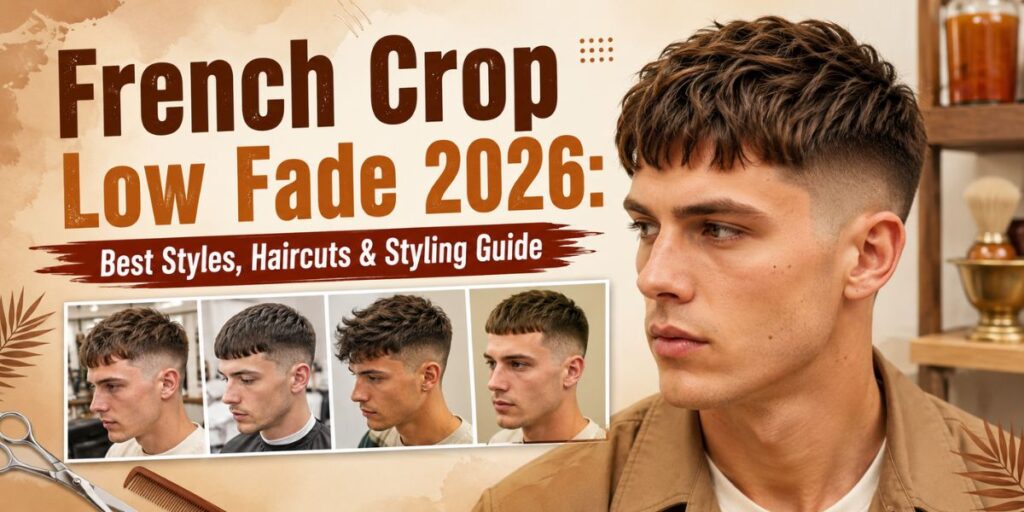
Men’s grooming has entered a new era in 2026, and one haircut keeps showing up in barbershops worldwide: the French crop low fade. It is sharp, low maintenance, and flattering on almost every face shape and hair type. Whether you are a student, a working professional, or someone who wants a fresh look without daily hassle, this guide breaks down what you need to know before your next barber visit.
From its European roots to its current status as one of the most requested men’s haircuts on social media, the French crop low fade has proven it is not a passing trend. This article covers its history, variations, styling tips, and maintenance so you can walk into your barber’s chair with total confidence.
What is a Low Fade French Crop?
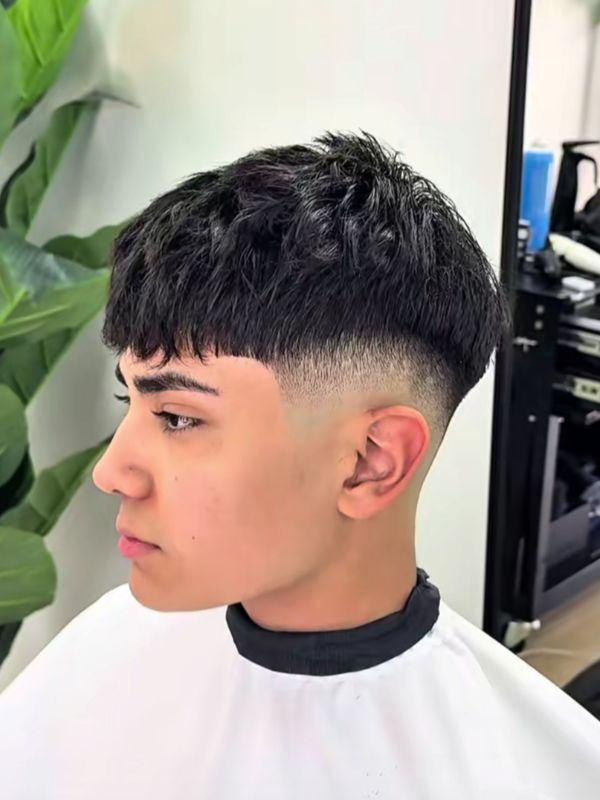
A low fade French crop is a men’s haircut that pairs a short, textured top with a subtle fade that begins just above the ears and blends into the neckline. Unlike higher fades that create dramatic contrast, the low fade offers a softer transition between the top and sides.
The defining feature of this haircut is the fringe. It sits above the eyebrows and can be styled blunt for a classic look or textured for a more relaxed finish. The combination of a cropped fringe and a gentle fade creates a shape that feels tidy without looking stiff.
The Historical Origins (Unique Content)
The French crop traces back to European barbering traditions of the mid twentieth century, particularly in France and the United Kingdom. Short, structured cuts with a forward fringe became a symbol of understated masculinity among artists, students, and working professionals alike.
Fade techniques developed separately within American barbershops and military grooming standards. These two traditions merged during the 2010s, giving barbers a way to combine the disciplined shape of the crop with the clean blend of a fade. By 2026, the low fade version has become the most requested variation because it offers structure without harsh contrast.
Why the Low Fade French Crop is Trending in 2026
Several factors explain why this haircut continues to dominate men’s grooming trends this year.
Versatility Across Settings
The low fade French crop moves easily between an office, a university campus, or a casual weekend outing. Because the fade is soft rather than sharp, it reads as polished in professional settings while still looking relaxed enough for everyday wear.
Low Maintenance Requirements
The short sides reduce bulk and keep the cut looking fresh for weeks at a time. Since the top is textured rather than long, daily styling takes only a few minutes.
Universal Face Shape Compatibility
Barbers can adjust fringe length and fade placement to flatter almost any face shape, which is a major reason this cut appeals to such a wide audience.
Economic Efficiency
Because the low fade grows out gracefully, it requires fewer touch ups compared to high or skin fades. This translates to real savings over the course of a year.
Social Media Influence
Platforms like Instagram, TikTok, and YouTube have amplified this haircut’s popularity. Its clean lines and defined texture photograph well, which encourages more barbers to showcase it and more clients to request it.
Different Variations of Low Fade French Crop Explained
The French crop low fade is not one fixed style. It is a flexible framework that supports many variations depending on hair type, texture, and personal preference.
Textured French Crop Low Fade
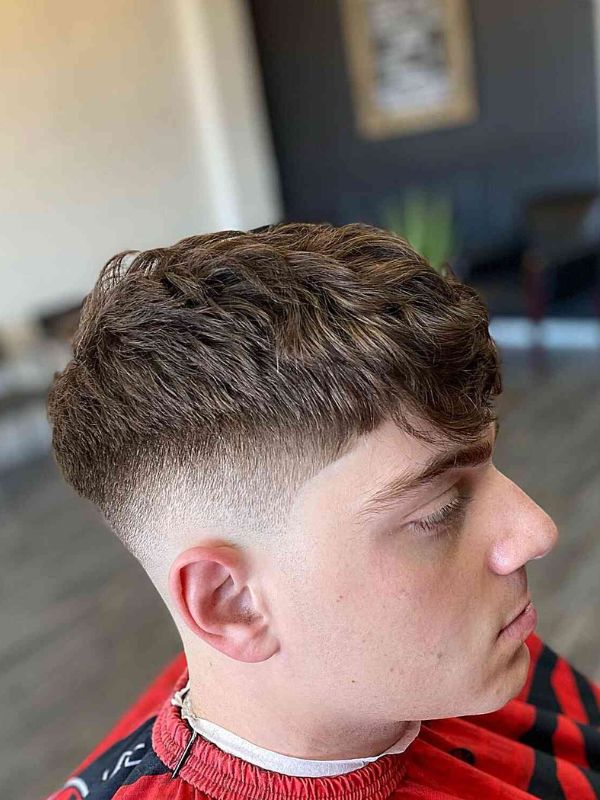
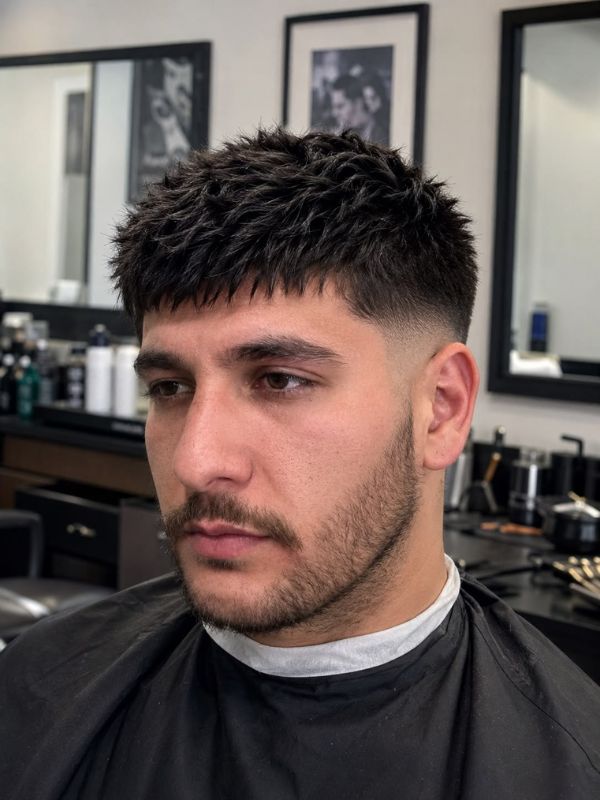
This version uses point cutting or texturizing shears to add movement and volume on top. The fringe often has a slightly choppy finish rather than a blunt line, giving the cut a more effortless appearance.
Messy French Crop Low Fade Variations
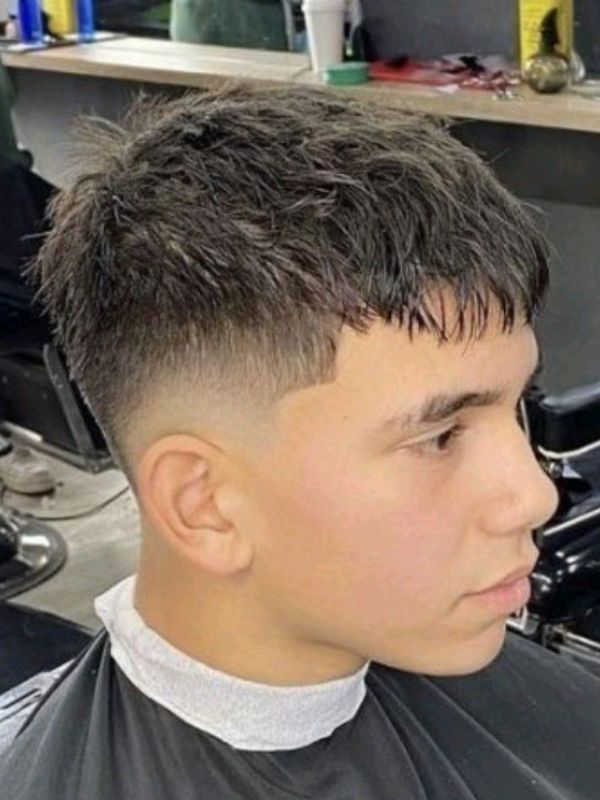
The messy variation embraces a relaxed, tousled finish on top while keeping the low fade clean and controlled underneath. It suits men who prefer a laid back everyday look.
Read This: Low Taper Fade Afro 2026: Best Styles, Maintenance & Barber Tips
Low Taper Fade French Crop
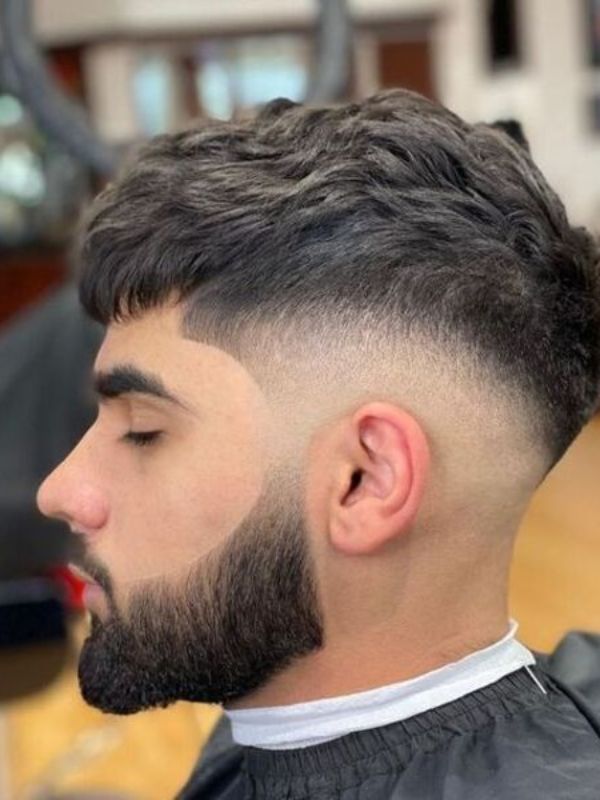
Instead of fading fully to the skin, this version tapers gradually near the ears and neckline. It is a popular choice for conservative workplaces because the contrast stays subtle.
Low Skin Fade French Crop
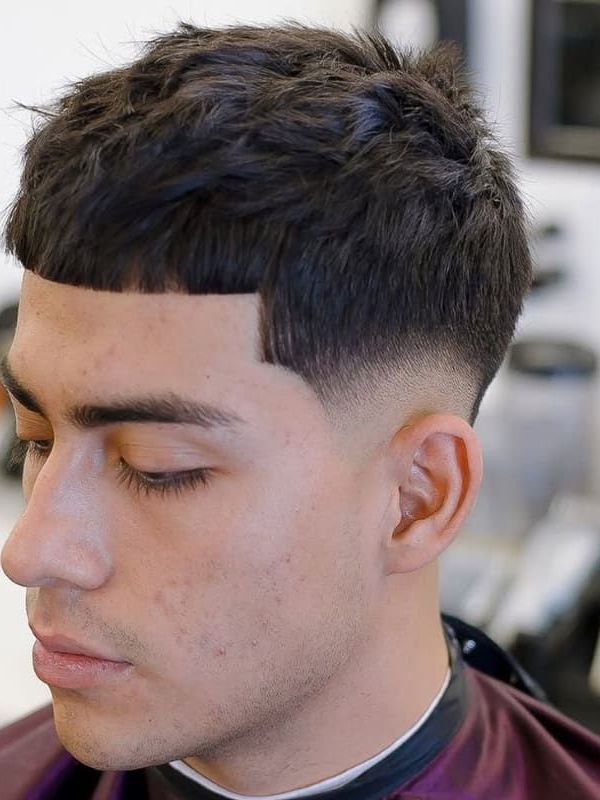
This variation blends the sides down to the skin for a sharper, more architectural finish while keeping the fade positioned low on the head.
Low Drop Fade French Crop
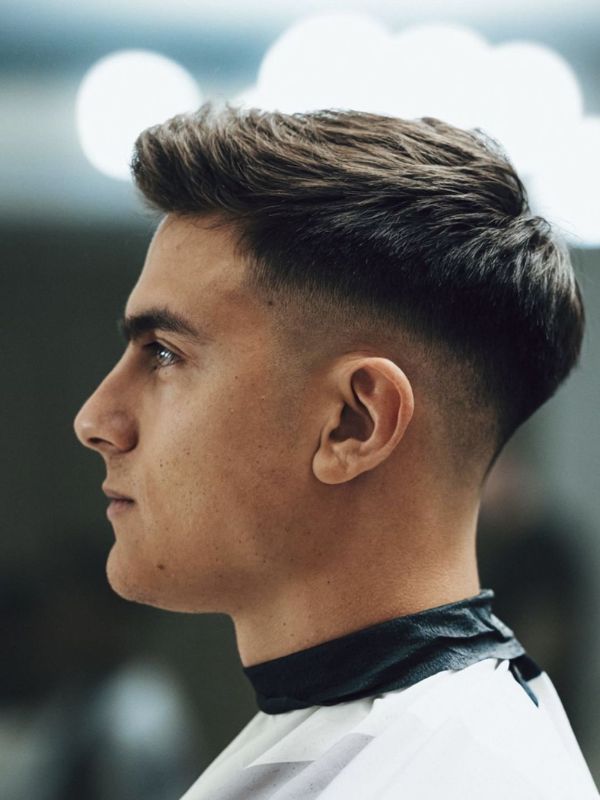
The drop fade curves downward behind the ear rather than staying in a straight line. This creates extra definition and pairs especially well with wavy or curly hair.
French Crop Top Low Fade
Here the focus shifts to the top section, which can be left slightly longer for a quiff like lift or kept short and flat for a classic silhouette.
French Crop Fade Low with Design Elements
Some men add a subtle line or shape within the fade for extra personalization. This works best on straight or fine hair where the design remains visible.
French Crop with a Low Fade Placement Guide
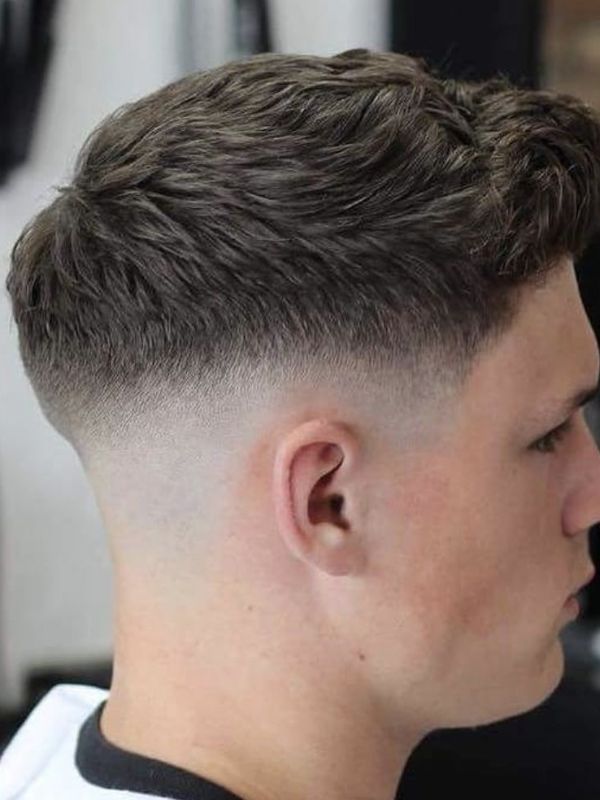
The placement of the fade line, whether starting just above the ear or slightly lower near the neckline, changes the overall silhouette. A lower placement gives a softer, more rounded shape, while a slightly higher starting point adds more definition.
| Variation | Best For | Maintenance Level |
| Textured French Crop | Thick or wavy hair | Low |
| Messy French Crop | Casual everyday wear | Low |
| Low Taper Fade | Conservative workplaces | Very Low |
| Low Skin Fade | Bold, sharp contrast | Medium |
| Low Drop Fade | Curly or wavy hair | Medium |
Hair Type Compatibility Guide
One reason the French crop low fade works for so many men is its adaptability across hair types.
Straight Hair Variations
Straight hair holds a blunt fringe well and shows off clean fade lines with excellent clarity, making it ideal for structured looks.
Curly Hair Adaptations
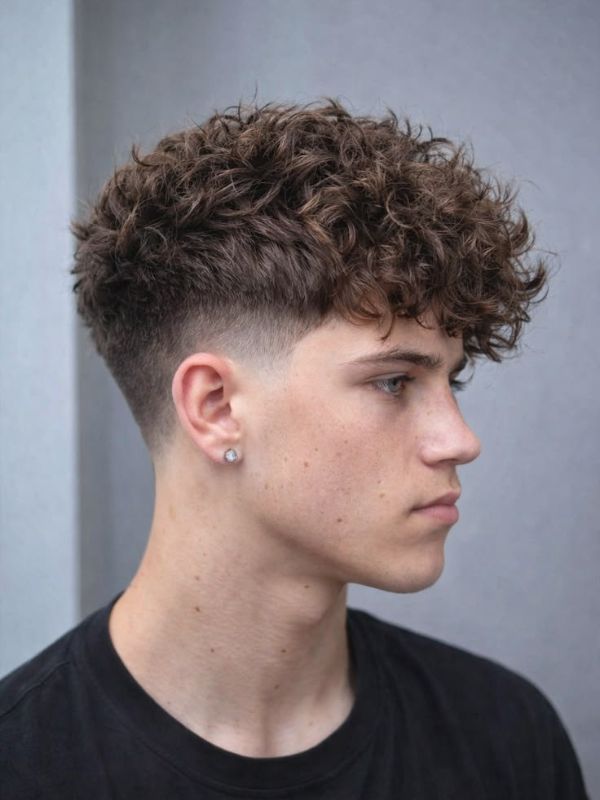
Curly hair benefits from a slightly longer top that lets natural curls show definition while the low fade keeps the sides tidy and controlled.
Wavy Hair Solutions
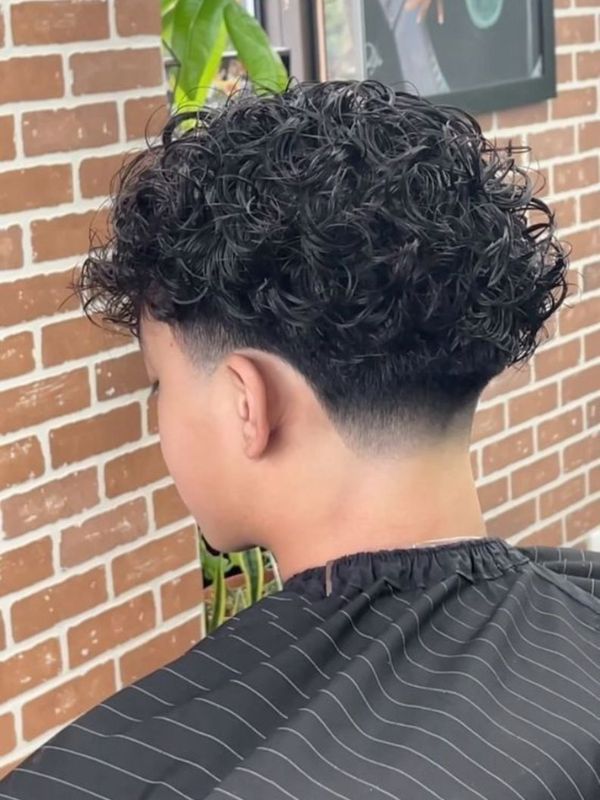
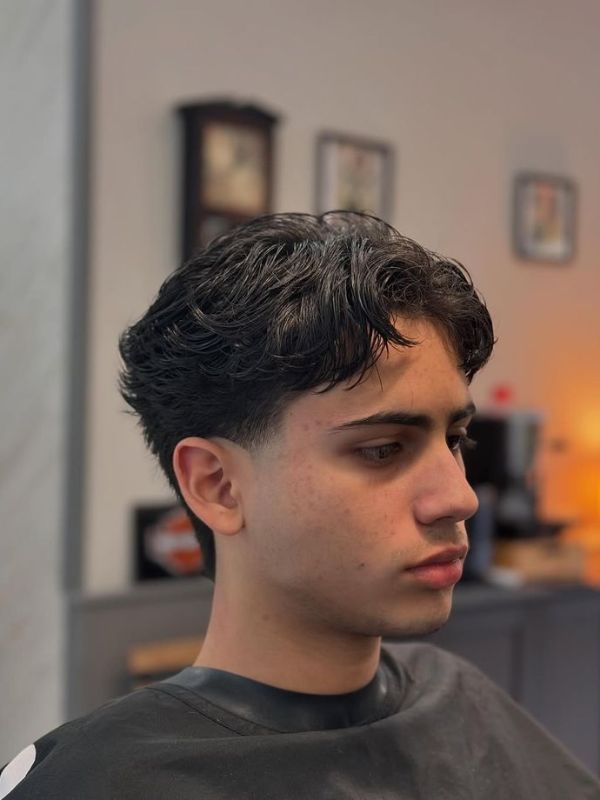
Wavy hair pairs beautifully with a drop fade or textured crop, since the natural movement adds volume without extra styling effort.
Long Hair on Top
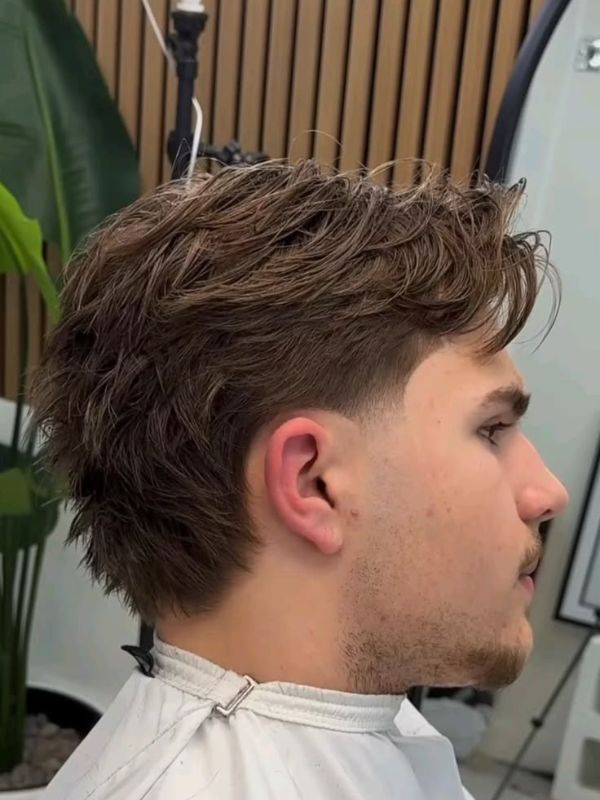
Men who prefer more length on top can still enjoy a low fade underneath, which balances the extra volume and keeps the cut from looking heavy.
Short Hair Variations
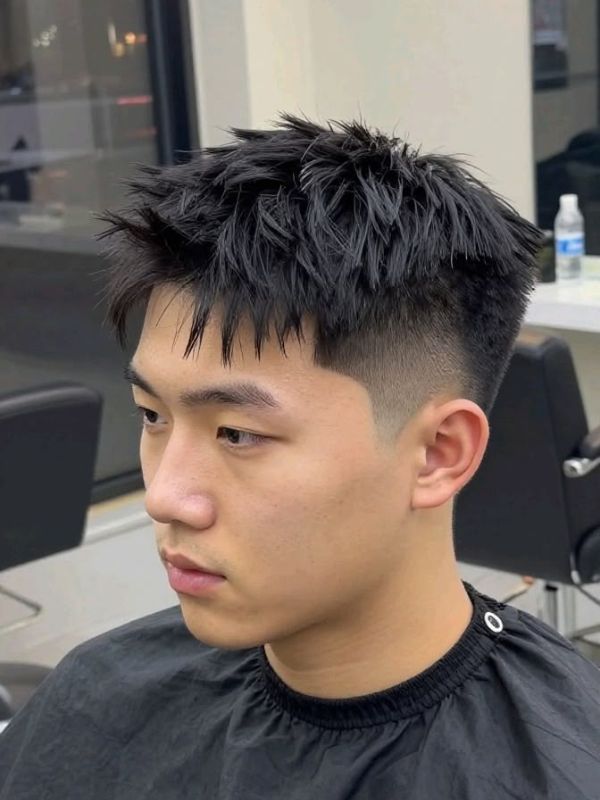
A short, cropped top works well for men who want minimal daily styling while still keeping the signature fringe silhouette.
Face Shape Compatibility Guide
A skilled barber will adjust fringe length and fade height depending on your face shape.
Oval Face Shapes
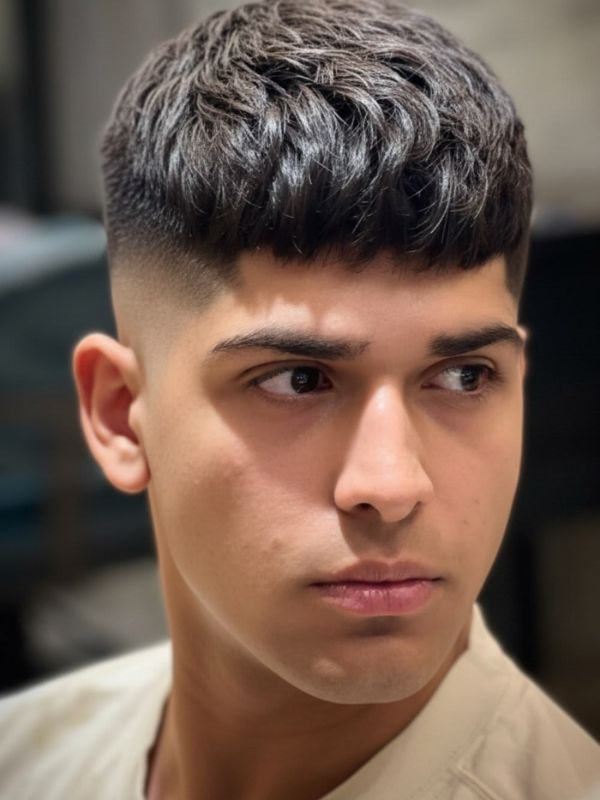
Oval faces are considered the most versatile for this cut since almost any fringe length and fade placement will look balanced.
Round Face Shapes
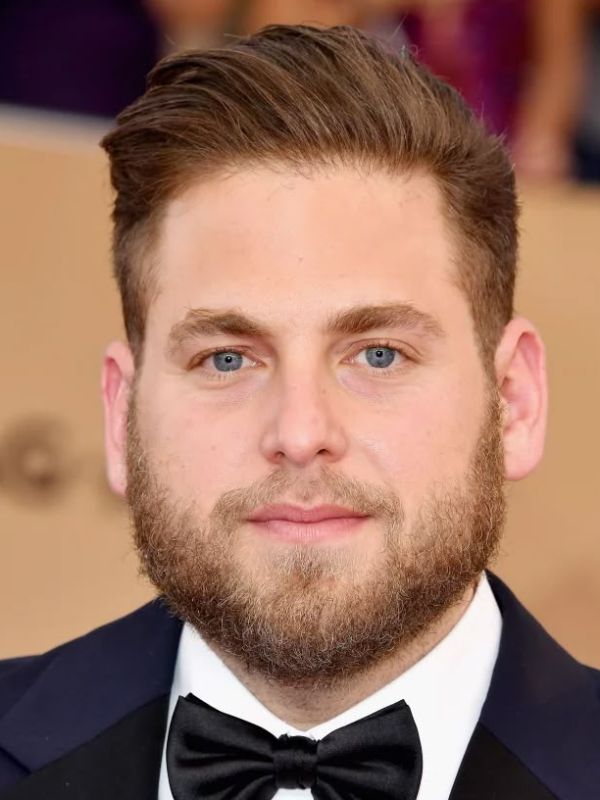
A textured top with added height helps elongate round faces, while the faded sides slim the overall silhouette.
Square Face Shapes
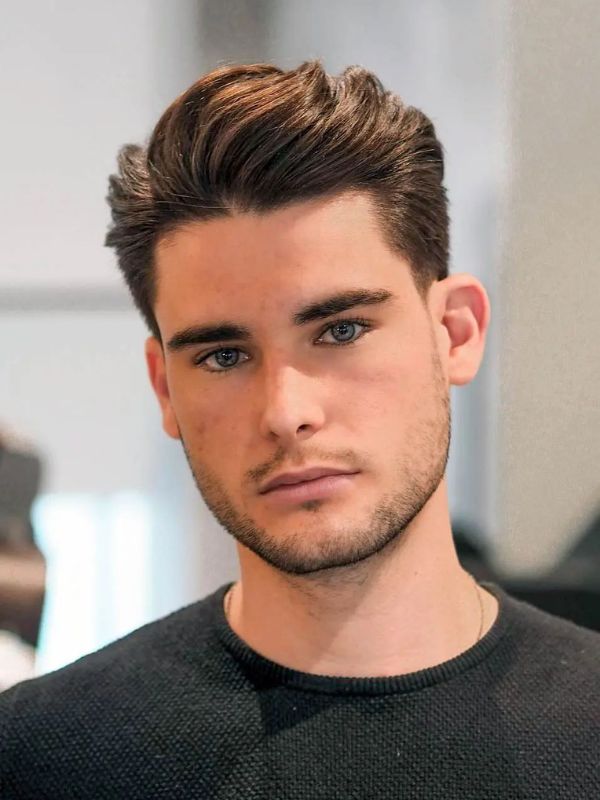
Square jawlines pair well with a slightly softer fringe that avoids adding extra width near the temples.
Heart Shaped Faces
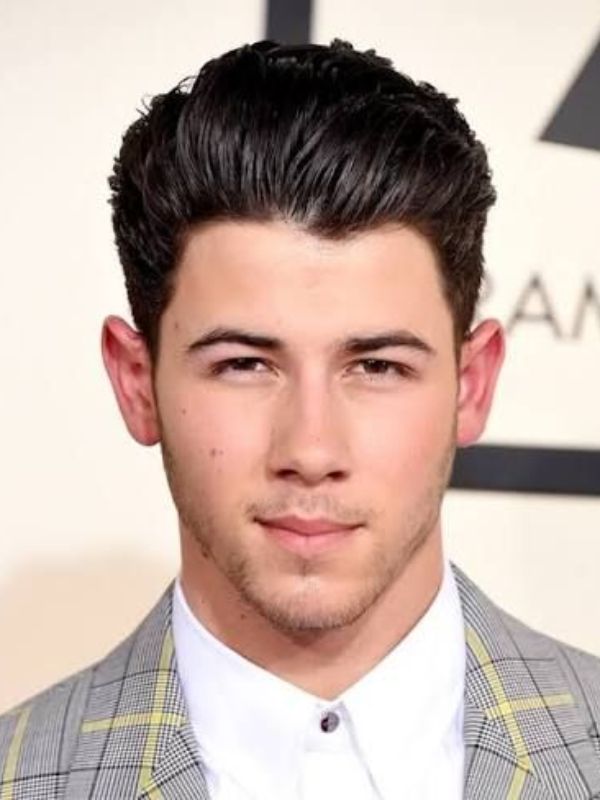
A fuller fringe helps balance a narrower chin, while the low fade keeps the sides from adding unnecessary bulk.
Oblong Face Shapes
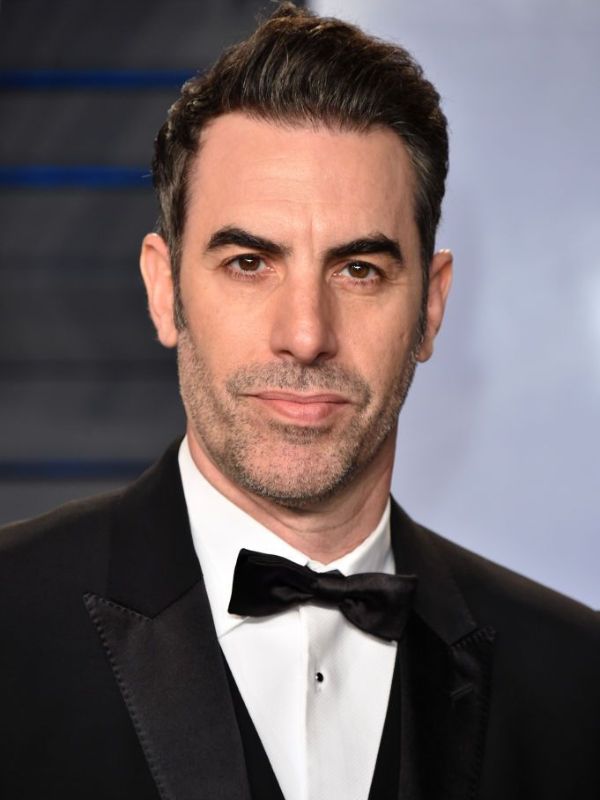
Keeping the top shorter and avoiding excessive height helps prevent the face from appearing longer than it already is.
Diamond Face Shapes
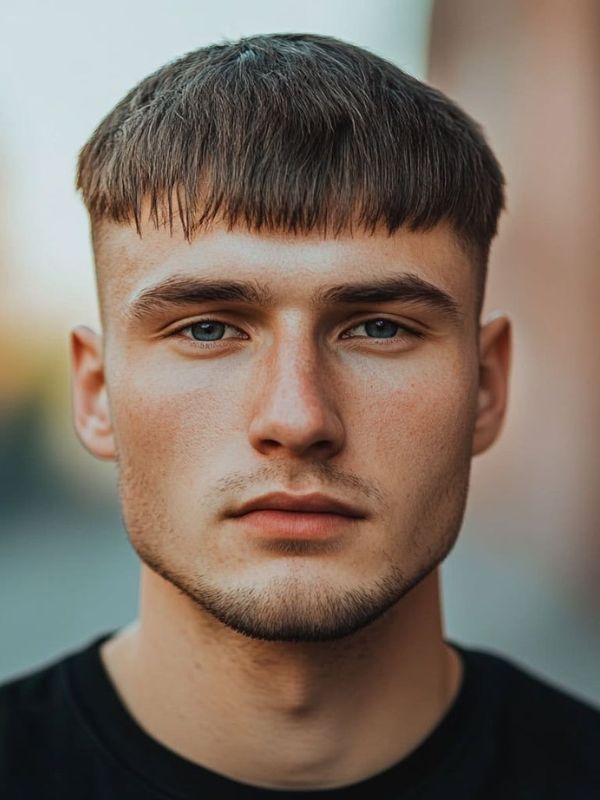
A textured fringe with moderate volume softens sharp cheekbones and creates a more balanced overall shape.
How to Ask Your Barber for the Perfect Cut
Clear communication is the key to leaving the barbershop satisfied.
Essential Information to Provide
Mention your preferred fade height, fringe length, desired texture level, and whether you want a beard connection.
Sample Barber Consultation Scripts
You can say something like, “I want a French crop with a low fade starting just above my ears, a textured top, and a natural fringe that sits just above my eyebrows.”
Reference Photo Strategy
Bring two or three reference photos from different angles so your barber understands the fringe shape, fade height, and overall texture you want.
Questions to Ask Your Barber
Ask how they plan to blend the fade, what tools they will use for texturizing, and how the cut will grow out over the following weeks.
Red Flags When Choosing a Barber
Be cautious of barbers who rush consultations, avoid asking questions about your hair type, or seem unfamiliar with fade blending techniques.
What to Expect During the Cut
Expect clippers for the fade, scissors or texturizing shears for the top, and a final check with a mirror to confirm the fringe length and shape before you leave.
Complete Styling Tutorial
Daily Styling for Different Variations
For textured versions, apply matte clay to damp hair and shape the fringe with your fingers. For messy variations, tousle the top with a light wax. For classic tops, a blow dryer with a round brush adds lift before product.
Product Recommendations by Goal
| Goal | Recommended Product |
| Natural matte finish | Matte clay |
| Light hold with shine | Pomade |
| Maximum texture | Texture powder |
| Curl definition | Curl cream |
Application Mistakes to Avoid
Avoid applying too much product at once, since this can weigh down the fringe. Always start with a small amount and build up gradually.
Maintenance Schedule and Tips
Optimal Haircut Frequency
Most barbers recommend a trim every three to four weeks to keep the low fade sharp while allowing enough length on top for styling.
Money Saving Strategies
Booking recurring appointments or asking about loyalty programs can help reduce the overall cost of regular maintenance.
Between Haircut Maintenance
Use a light trimmer at home to clean up the neckline between visits, but leave the fade blending to a professional to avoid uneven lines.
Seasonal Adjustments
In warmer months, many men prefer a slightly shorter top for comfort, while cooler months allow for more length and texture on top.
Average Pricing Guide
Prices vary depending on location and barber experience, typically ranging from twenty to sixty dollars per visit in most urban areas.
Geographic Variations
Prices in major cities tend to run higher due to increased demand and barbershop overhead, while smaller towns often offer more affordable rates.
Value Assessment
Choosing a barber based on skill rather than price alone often results in fewer touch ups and better long term value.
Hidden Costs to Consider
Factor in tips, travel time, and the cost of styling products when budgeting for this haircut over the course of a year.
Celebrity Inspirations and Style Icons
Athletes, actors, and musicians have embraced the French crop low fade for its clean yet effortless look in public appearances.
Modern Celebrity Examples
Several footballers and Hollywood actors have popularized textured and messy variations, helping drive the cut’s popularity across social media.
What Makes Celebrity Versions Different
Celebrity stylists often use premium products and frequent touch ups that are not always practical for everyday men, resulting in a slightly more polished finish.
Translating Celebrity Styles for Regular Life
Focus on the core shape, fringe length, and fade placement rather than replicating every styling detail from a red carpet appearance.
Common Mistakes to Avoid
Mistake #1: Choosing the Wrong Fade Height
A fade that sits too high can clash with your face shape, so discuss placement with your barber first.
Mistake #2: Neglecting Hair Type Consultation
Skipping this conversation often leads to a cut that ignores natural texture or growth patterns.
Mistake #3: Over Styling with Too Much Product
Excess product weighs down the fringe and can make the cut look greasy rather than textured.
Mistake #4: Inconsistent Maintenance
Skipping regular trims allows the fade to grow out unevenly, losing the clean silhouette this haircut is known for.
Mistake #5: Wrong Product Type for Your Hair
Using a heavy pomade on fine hair, for example, can flatten volume instead of enhancing it.
Mistake #6: Ignoring Face Shape Compatibility
Choosing a fringe length without considering your face shape can throw off the overall balance of the cut.
Mistake #7: Unrealistic Styling Expectations
Reference photos taken under studio lighting rarely translate exactly to real life results, so keep expectations realistic.
Variations for Different Ethnicities and Hair Characteristics
Asian Hair Considerations
Asian hair is often straight and dense, which holds a blunt fringe exceptionally well and shows clean fade lines with strong definition.
Latin American Variations
Wavy and thick textures common among Latin American men pair naturally with textured or drop fade variations.
African and Afro Textured Hair
Coily and tightly curled hair benefits from a slightly longer top that showcases natural pattern while the low fade keeps the sides neat and structured.
The Psychology of the Low Fade French Crop
Why Men Choose This Haircut
Many men choose this style because it signals confidence and attention to detail without appearing overly styled.
Social Perception Studies
Grooming research shows well maintained, structured haircuts are associated with professionalism and reliability in social settings.
Advanced Styling Techniques
Creating Volume in Fine Hair
Blow drying against the natural direction of growth before applying a lightweight product can add noticeable lift for fine hair types.
Dealing with Cowlicks and Growth Patterns
Ask your barber to cut with the natural growth pattern rather than against it, which reduces daily styling struggles significantly.
Seasonal Styling Variations
Summer Optimization
Shorter top lengths and lightweight matte products help manage humidity and sweat during warmer months.
Winter Considerations
Slightly longer top sections and richer creams help combat dryness and static caused by cold weather and indoor heating.
Transitioning to a Low Fade French Crop
From Long Hair
Barbers typically remove length gradually over two or three sessions to avoid shock and allow you to adjust to the shorter silhouette.
From Other Short Cuts
Transitioning from a buzz cut or crew cut usually only requires growing the top section slightly before adding the signature fringe shape.
Read This: Low Taper Fade Mullet: Best Styles, Hair Types & Trends 2026
From Traditional Business Cuts
Men moving away from a classic side part can request a softer fringe transition to ease into the more textured French crop silhouette.
The Future of the French Crop Low Fade
Current Trends for 2026
Natural texture, softer fade transitions, and personalized fringe shapes based on face structure define this year’s biggest grooming trends.
Why This Style Endures
Its balance of low maintenance, professional appearance, and adaptability across hair types ensures the French crop low fade remains relevant well beyond 2026.
Conclusion
The French crop low fade has earned its place as one of the most versatile and enduring men’s haircuts of 2026. It works across hair types, face shapes, and lifestyles while requiring minimal daily effort to maintain.
Whether you choose a textured top, a messy finish, or a classic blunt fringe, this haircut delivers a sharp, intentional look every single day. Bring a clear description or reference photo to your next barber appointment, communicate your preferences openly, and step out with a haircut that feels both modern and timeless.
