
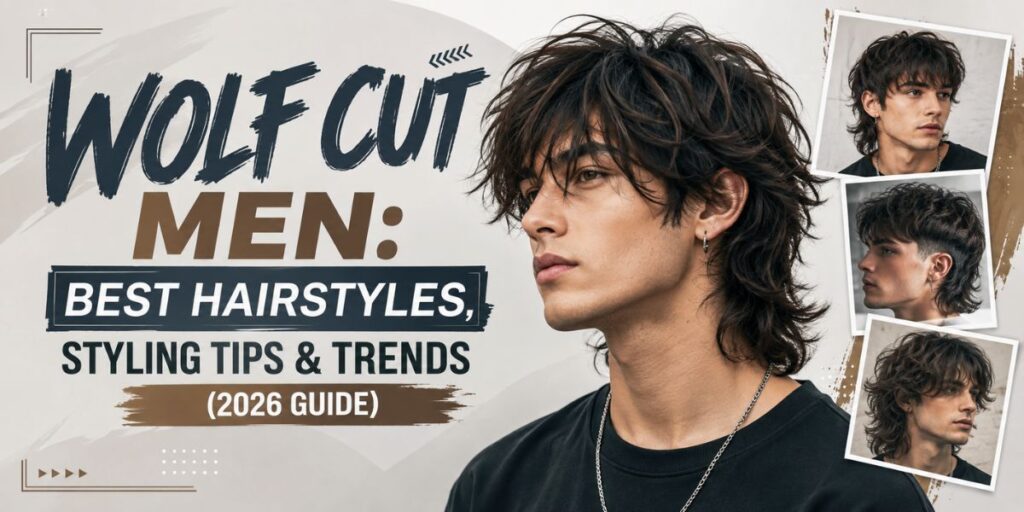
If you want a haircut that looks a little rebellious, a lot stylish, and works with almost any hair type, the wolf cut is probably already on your radar. It has taken over barbershops, TikTok feeds, and K pop stages, and men everywhere are asking their barbers for it by name.
This guide breaks down every popular wolf cut variation for men, explains how to style and maintain it, and traces how the cut evolved from a mullet inspired throwback into one of the most requested hairstyles of 2026. Whether you have straight hair, curly hair, or something in between, there is a version of this cut built for you.
Wolf Cut Men Hairstyles Core & Classic Variations
The wolf cut for men is built on one simple idea: short, choppy layers on top blended into longer, shaggier layers around the back and sides. Think of it as a mullet and a shag haircut fused together, then softened with texture so it never looks stiff or dated.
What makes this haircut so popular is how customizable it is. A barber can adjust the layering, the length, the fringe, and the taper to fit your face shape, hair texture, and personal style. Below are the most requested wolf cut variations men are asking for right now.
Classic Wolf Cut

The classic wolf cut sticks close to the original formula. It combines choppy, textured layers at the crown with longer pieces that flow toward the back of the neck. There is no hard part, no rigid symmetry, just natural volume and movement.
This version usually works best on medium to long hair and pairs well with a light fringe. It suits straight and wavy textures equally well, which is one reason it remains the most searched wolf cut style.
Short Wolf Cut

For men who want the wolf cut energy without committing to long hair, the short wolf cut trims everything down while keeping the signature layered silhouette. The top stays choppy and lifted, the sides are tapered close, and the back is kept short enough for easy upkeep.
It is a low maintenance option that still reads as edgy, and it works especially well for guys with fine or thinning hair since shorter layers create the illusion of density.
Full Wolf Cut

The full wolf cut is for men who already have thick, voluminous hair and want to show it off. Instead of thinning the hair out, the barber builds layers that add shape while preserving maximum volume throughout.
This variation tends to look best on hair that has natural wave or curl, since the extra body helps the layers separate and catch light.
Long Wolf Cut
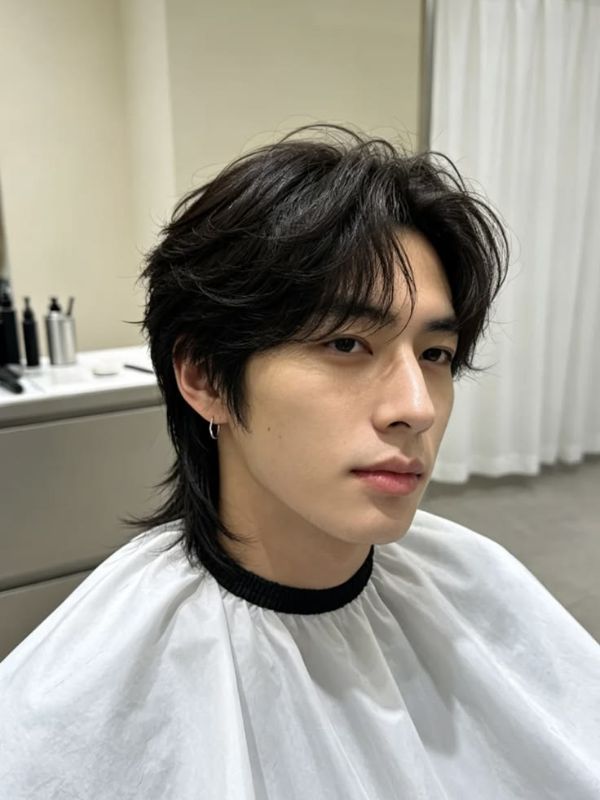
The long wolf cut keeps significant length at the back and sides while still layering the crown for texture. It is closer to a modern shag than a mullet and gives men the option to tie the back into a small ponytail if they choose.
This is a great pick if you are growing your hair out but still want shape instead of one flat length.
Read This: Curly Mullet Fade Haircuts for Men: Best Styles & Trends (2026 Guide)
Layered Wolf Cut

Every wolf cut relies on layering, but the layered wolf cut pushes it further with more aggressive, stacked layers throughout the whole head. The result is heavier texture and more movement, especially when styled with a texturizing product.
Men with straight hair often choose this version because the extra layering helps create the tousled look that naturally wavy hair gets for free.
Korean Wolf Cut
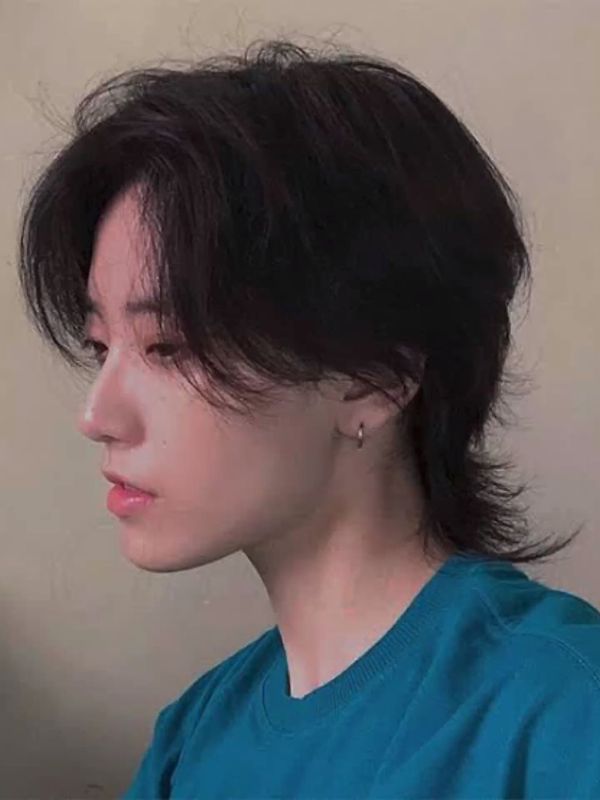
Popularized by K pop idols, the Korean wolf cut leans soft and controlled rather than wild. It combines longer top layers with a gentle taper near the neck, often finished with a light wave using a curling wand or texturizing spray.
It is one of the most requested reference photos men bring into barbershops today, and it works on both straight and wavy hair.
Wolf Cut Men Asian

Asian hair tends to be thick, straight, and glossy, which changes how a wolf cut is cut and styled. Barbers often add extra layering near the crown to combat the natural density and use light wax or texturizing spray to create the separation this cut relies on.
The result keeps the signature shaggy shape while working with, not against, thicker hair texture.
Wolf Cut Men Indian

For Indian men, hair texture ranges from straight to naturally wavy or curly, so the wolf cut is adapted based on individual hair pattern. Wavy and curly types often need less product to get the tousled finish, while straighter hair benefits from a sea salt spray or light perm for extra texture.
Face shape also plays a bigger role here, with barbers adjusting fringe length to balance rounder or longer face structures.
Medium Curly Wolf Cut Men

Medium length curly hair is practically made for the wolf cut. The natural spring of curly hair does most of the styling work, letting the layers fall into place with minimal effort.
A light curl cream or leave in conditioner keeps the curls defined without weighing them down, which is exactly what this cut needs to look intentional rather than messy.
No-Mullet Wolf Cut
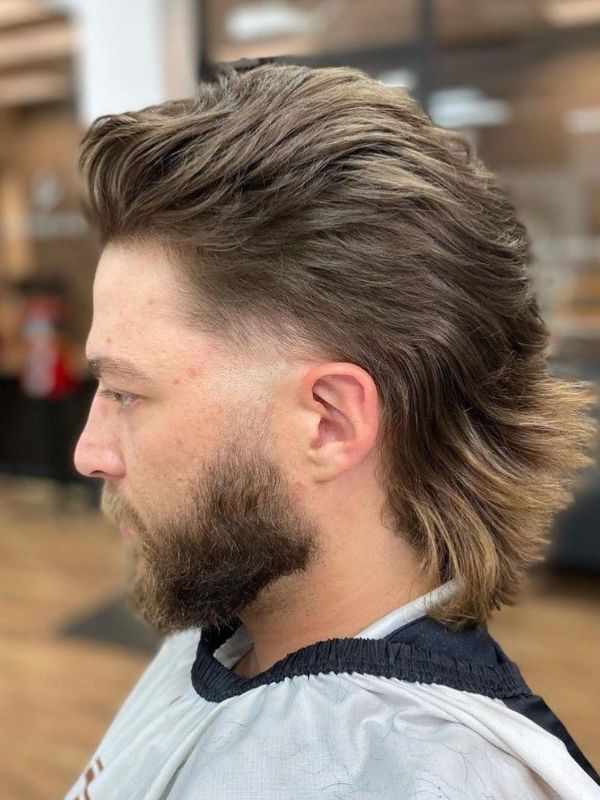
Not every man wants the mullet influence that traditional wolf cuts carry. The no mullet wolf cut keeps the layered, textured top but trims the back to a more even, moderate length instead of letting it flow long.
It is a good middle ground for guys who want the texture and volume of a wolf cut but prefer a cleaner, more conventional silhouette from the back.
Wavy Wolf Cut

Wavy hair and the wolf cut are a natural match. The layers enhance the wave pattern instead of fighting it, creating that lived in, beachy texture without much daily effort.
A sea salt spray or light mousse applied to damp hair is usually all it takes to bring out the waves after this cut.
Curly Wolf Cut

The curly wolf cut showcases well defined curls with shape built into the cutting process rather than the styling process. Barbers cut curl by curl in many cases, since curly hair shrinks and behaves differently than straight hair once it dries.
This version tends to have shorter visible length than the same haircut on straight hair, so it is worth discussing expectations with your barber beforehand.
Wolf Cut with Curtain Bangs

Curtain bangs part naturally down the middle and frame both sides of the face. Combined with the wolf cut’s layered crown and shaggy back, this version has a relaxed, almost vintage rock star feel.
It suits oval, oblong, and heart shaped faces particularly well, since the parted fringe helps balance out proportions.
Shaggy Wolf Cut

The shaggy wolf cut leans fully into the wild, choppy layers that define the entire trend. It blends unevenly cut layers throughout the head for a wearable but untamed look full of texture and flow.
This style works best on oval, heart, or longer face shapes, where the extra volume helps soften sharper features.
Textured Wolf Cut
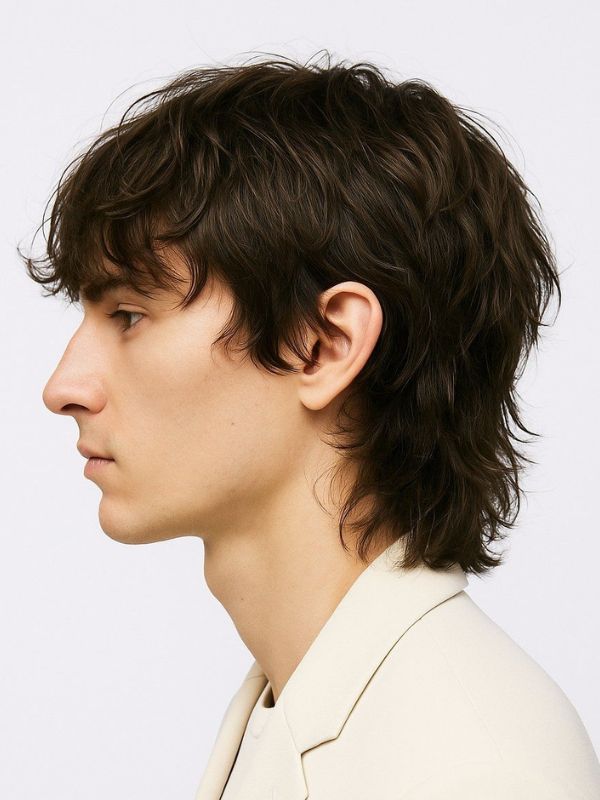
Texture is really the backbone of every wolf cut variation, but the textured wolf cut version emphasizes it above everything else. Point cutting and razor techniques are used throughout to break up the hair’s natural weight and create choppy, piece by piece separation.
A matte clay or texturizing paste is the finishing touch most barbers recommend for this look.
Feathered Wolf Cut
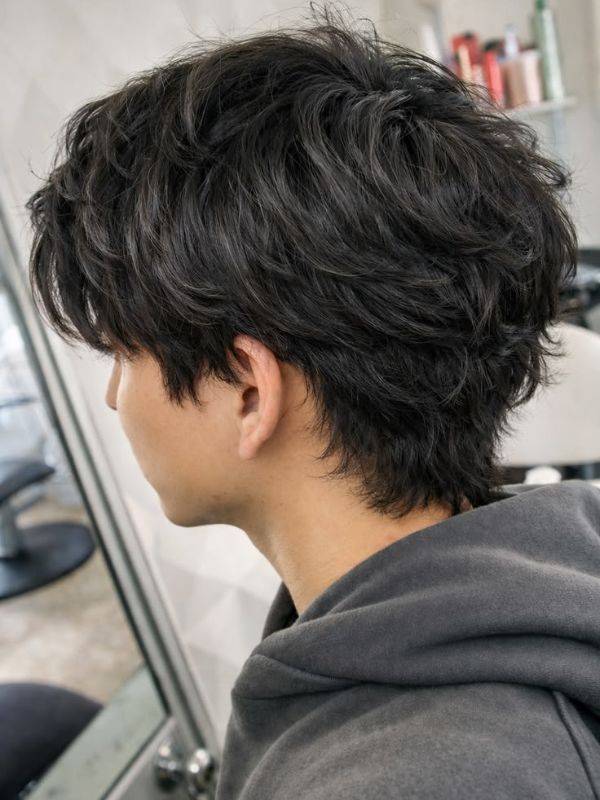
The feathered wolf cut softens the choppier elements of the classic style with rounded, feather like layer ends instead of blunt or razored tips. It has a slightly softer, more polished appearance while still keeping the volume and movement that defines the trend.
It is a good option for men who want the wolf cut shape without looking overly rugged.
Soft Wolf Cut

The soft wolf cut trims back on the aggressive choppiness of the original style. Layers are still present, but they are blended more gently, creating a rounder, smoother silhouette that reads as polished rather than edgy.
It suits professional settings better than most other wolf cut variations while still offering visible texture and shape.
Wolf Cut with Undercut

Combining the wolf cut’s textured top with a shaved or closely tapered undercut on the sides creates a sharp contrast between volume up top and precision underneath. It is a bold, modern take that photographs well and stands out in a crowd.
This version requires more frequent trims to keep the undercut portion crisp.
Pixie Wolf Cut
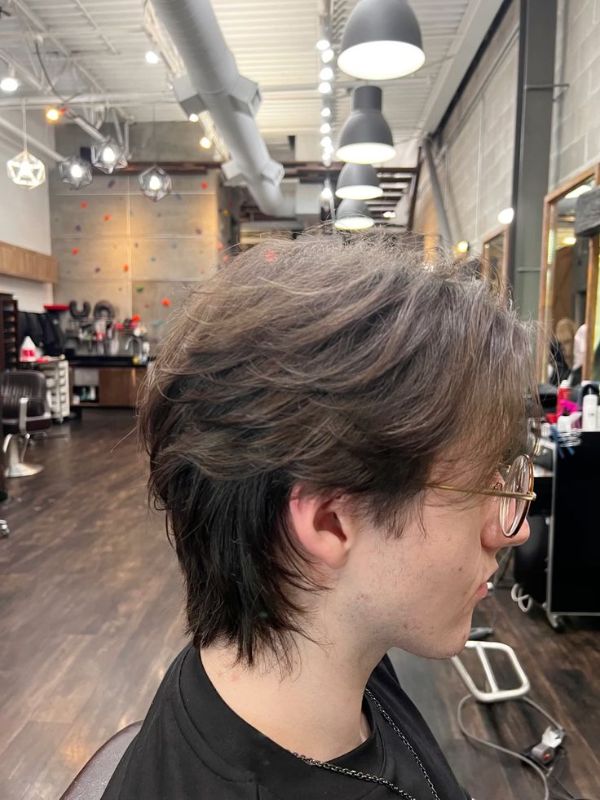
Though more common among women, the pixie wolf cut has found an audience among men who want an extremely short, close cropped take on the trend. It keeps the layered, textured crown of a traditional wolf cut but trims everything down close to the head.
It is a minimal maintenance option for men who like the aesthetic but not the length.
Wolf Cut Mullet

The wolf cut mullet leans hardest into the haircut’s mullet roots, with a clear length difference between the shorter top and much longer back. It is the boldest, most statement making version of the cut and tends to attract the most attention.
Below is a quick comparison to help you decide which variation fits your hair type and lifestyle.
| Wolf Cut Style | Best Hair Type | Maintenance Level |
| Classic Wolf Cut | Straight, wavy | Medium |
| Short Wolf Cut | Any | Low |
| Full Wolf Cut | Thick, wavy | Medium |
| Long Wolf Cut | Straight, wavy | High |
| Korean Wolf Cut | Straight, wavy | Medium |
| Curly Wolf Cut | Curly | Medium |
| Wolf Cut with Undercut | Any | High |
| Pixie Wolf Cut | Any | Low |
| Wolf Cut Mullet | Any | Medium |
How to Style a Wolf Cut?
Styling a wolf cut is less about precision and more about controlled messiness. The goal is texture, separation, and natural looking volume, not a slicked back or overly polished finish.
Here is a simple styling routine that works for most wolf cut variations:
- Start with damp, towel dried hair rather than fully dry hair.
- Apply a small amount of texturizing spray or sea salt spray evenly through the mid lengths and ends.
- Blow dry using your fingers instead of a brush, lifting the roots at the crown for volume.
- Once mostly dry, use a lightweight clay, paste, or texturizing cream to define individual pieces.
- Finish by tousling the hair with your fingers rather than combing it into place.
For wavy and curly hair, skip the blow dryer step and let the hair air dry after applying a curl defining cream. For straight hair, a light perm or a curling wand on the lowest heat setting can help create the movement this cut relies on.
Product choice matters here. Heavy pomades and gels flatten the layers and remove the texture that makes a wolf cut work, so lightweight, matte finish products are almost always the better choice.
How to Maintain a Wolf Cut?
A wolf cut looks effortless, but keeping it looking sharp does take some ongoing care. The layered structure grows out unevenly, so regular attention matters more than it does with a single length haircut.
Follow these maintenance tips to keep your wolf cut looking fresh:
- Book a trim every four to six weeks to keep the layers defined and prevent the shape from growing out into a shapeless mess.
- Use a sulfate free shampoo to avoid stripping natural oils, especially if your hair is color treated or chemically textured.
- Apply a lightweight leave in conditioner or hair oil to the ends to prevent dryness and split ends, since layered ends are more exposed.
- Avoid over washing, since natural oils help texture hold better between styling sessions.
- Reapply texturizing product on day two or three instead of washing daily, since slightly dirtier hair often holds this style better.
If you have curly or wavy hair, consider a diffuser attachment on your blow dryer to encourage curl formation without frizz. If you have straight hair and want more texture long term, talk to your barber or stylist about a light body wave perm designed specifically for wolf cuts.
Read This: Low Taper Fade Textured Fringe: Best Styles 2026
The Evolution of Wolf Cut
The wolf cut did not appear out of nowhere. Its roots trace back to the shag haircuts of the 1970s and the mullets that dominated the 1980s and early 1990s, both known for their choppy layers and unapologetic volume.
The modern wolf cut resurfaced heavily during the pandemic years, when DIY haircuts and at home experimentation pushed men and women to try bolder, lower maintenance styles. Around the same time, K pop idols began wearing softened, layered versions of the cut on stage and in music videos, giving it a fresh, youthful identity separate from its rockstar past.
TikTok accelerated the trend from there. Tutorials, before and after transformations, and barbershop demonstrations turned the wolf cut into one of the most searched men’s hairstyles worldwide by the mid 2020s. What started as a niche throwback has become a mainstream staple, with barbers now offering dozens of tailored variations to suit different face shapes, hair types, and personal styles.
Heading into 2026, the wolf cut continues to evolve with subtler, more wearable takes gaining popularity, including softer feathered ends and blended undercuts that make the style easier to wear in professional and everyday settings.
Conclusion
The wolf cut has earned its place as one of the most versatile men’s hairstyles available today, and its popularity shows no sign of slowing down in 2026. Whether you prefer the wild, choppy energy of the classic version or a softer, more polished take like the feathered or no mullet wolf cut, there is a variation built for nearly every hair type and lifestyle.
The key to pulling it off is choosing the right variation for your hair texture, styling it with the right lightweight products, and keeping up with regular trims. Bring a few reference photos to your barber, be honest about how much daily styling time you want to commit, and you will walk out with a wolf cut that actually works for your life.
Frequently Asked Questions
Is a wolf cut the same as a mullet?
No, a wolf cut is a hybrid of a mullet and a shag haircut, with more layering and texture throughout rather than just a short front and long back.
Does the wolf cut suit curly hair?
Yes, curly and wavy hair textures are especially well suited to the wolf cut since the natural texture enhances the layered look.
How often should I get my wolf cut trimmed?
Most men should get a trim every four to six weeks to keep the layers looking sharp and intentional.
Can I get a wolf cut with straight hair?
Yes, straight hair works well with a wolf cut, though many men add texturizing spray or a light perm to create more movement.
Is the wolf cut low maintenance?
It depends on the variation, but shorter wolf cuts and curly wolf cuts tend to require the least daily styling effort.
What products work best for styling a wolf cut?
Lightweight texturizing sprays, matte clays, and sea salt sprays work best, since heavier products flatten the layers.
Does the wolf cut work for all face shapes?
Yes, the cut can be adjusted through fringe length and layering to complement oval, round, square, and heart shaped faces.
