

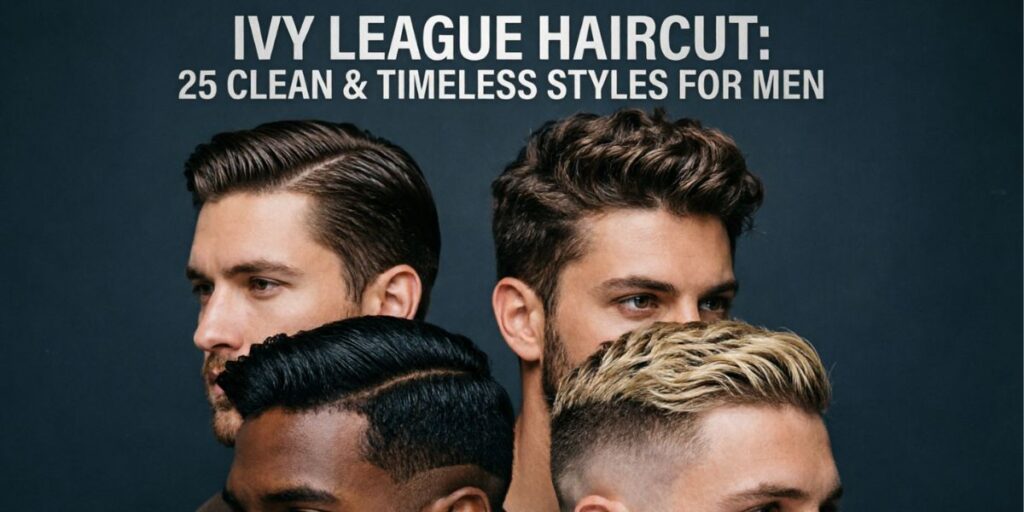
If you want a hairstyle that looks sharp at the office, relaxed on a weekend, and polished at a wedding, the Ivy League haircut deserves a spot on your shortlist. It is one of the most requested cuts at barbershops today because it offers structure without rigidity and tradition without boredom. Men with straight hair, curly hair, thinning hair, or thick Asian hair can all wear a version of this cut and look equally put together.
In this guide you will find everything worth knowing about the Ivy League haircut, including its meaning, 25 of the best variations for men in 2026, how it compares to other popular cuts, how to ask your barber for it, and how to style it at home with the right products. By the end, you will know exactly which version suits your face shape, hair type, and lifestyle.
What Is an Ivy League Haircut?
The Ivy League haircut is a refined cousin of the classic crew cut. The sides and back are kept short, usually tapered or faded, while the top is left noticeably longer, often somewhere between one and three inches. That extra length on top is what separates it from a basic crew cut and gives it room for a side part, a brushed up finish, or a light pompadour shape.
This haircut takes its name from the original Ivy League universities in the northeastern United States, including Harvard, Princeton, and Yale. In the mid twentieth century, students at these schools favored a neat, scholarly look that paired well with collegiate blazers and a clean cut image. Because of this background, the style is also known as the Princeton cut or the Harvard clip.
What makes the Ivy League cut so enduring is its balance. It is smart enough for a courtroom or a boardroom, yet relaxed enough for a casual coffee run. It suits oval, square, diamond, and round face shapes, and it works with straight, wavy, curly, and coarse hair textures. Most men only need a quick comb through and a small amount of product to keep it looking sharp all day, which makes it one of the more low maintenance professional hairstyles available right now.
22 Best Ivy League Haircut Styles for Men
Below are 25 of the most flattering takes on the Ivy League haircut, ranging from the original collegiate cut to bold modern remixes. Whether you want something timeless or something a little more daring, there is a version here for you.
1. Classic Ivy League Haircut
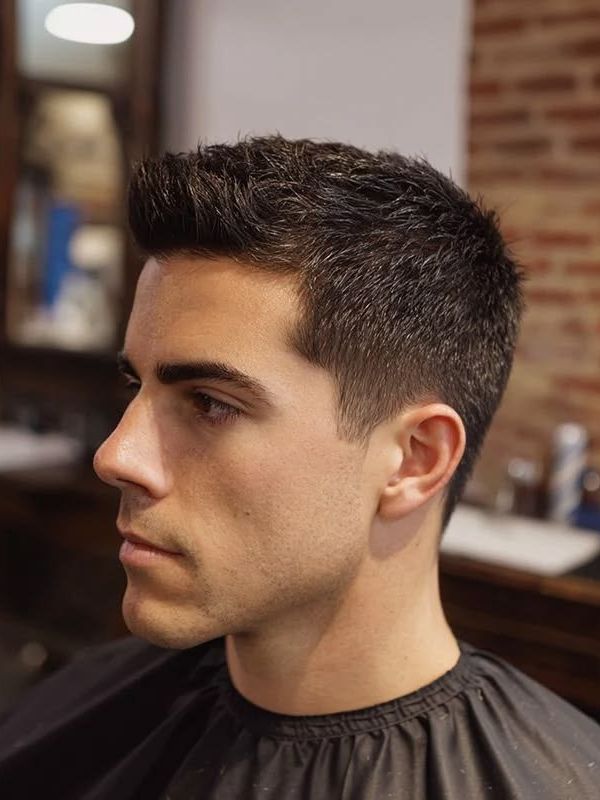
This is the original cut that started the trend. The sides and back are trimmed short and tapered, while the top is left long enough for a clean side part. It is the definitive choice for men who want a smart, scholarly look that never feels dated.
2. Modern Textured Ivy League
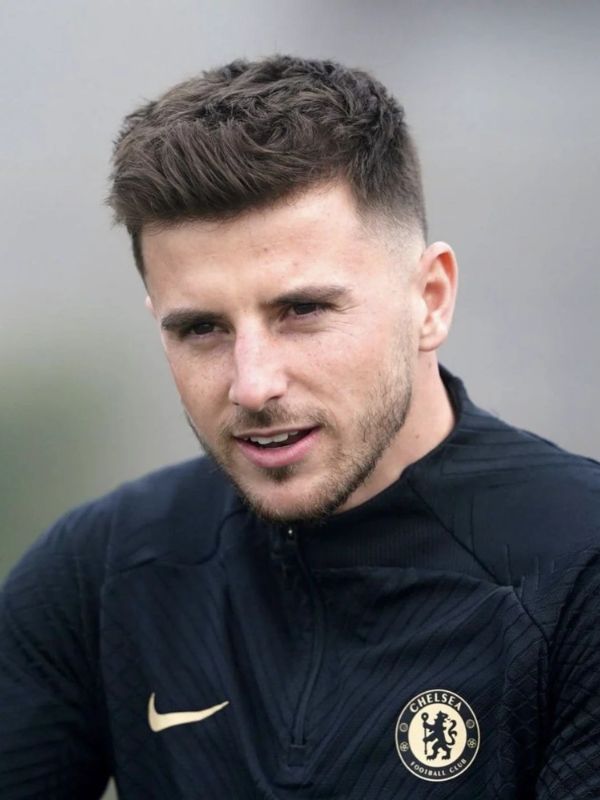
Instead of a flat, slicked finish, this version uses a matte styling product to create natural movement on top. The texture softens the formality of the traditional cut while keeping the tapered sides intact, giving it a relaxed yet intentional appearance.
3. Ivy League with Taper Fade
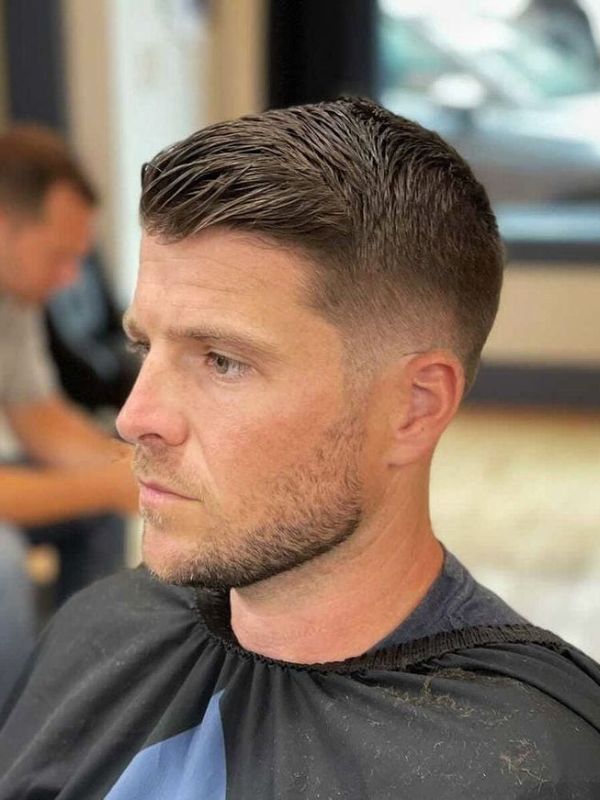
Here the sides blend gradually from skin or very short stubble into the longer top section. The gradual fade keeps the overall shape traditional while adding a touch of contemporary polish that works in almost any setting.
4. Ivy League Fade Haircut

This variation uses a more dramatic high or mid fade compared to the soft taper above. The sharper contrast between the short sides and the styled top creates a bolder finish, ideal for men with thicker hair who want their cut to stand out.
Read This: Professional Haircuts for Men: 30 Best Modern Looks 2026
5. Ivy League Crew Cut
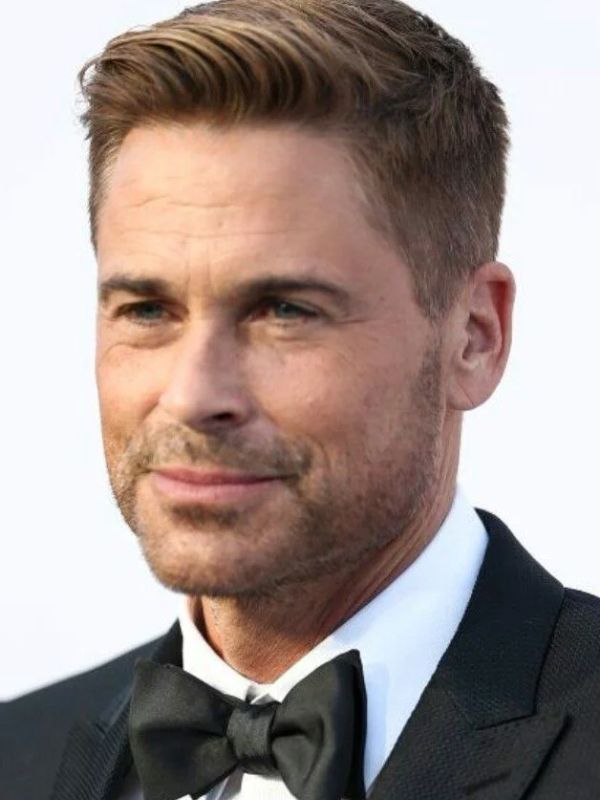
A short, sharp option that closely mirrors a traditional crew cut, but with a touch more length on top for styling freedom. It suits nearly every face shape and is especially popular with men who want minimal upkeep between barber visits.
6. Curly Ivy League Haircut

Men with natural curls can absolutely wear this style. The sides stay scissor tapered and neat, while the curls on top keep their length and bounce. A lightweight curl cream helps with definition without weighing the curls down.
7. Long Ivy League Style
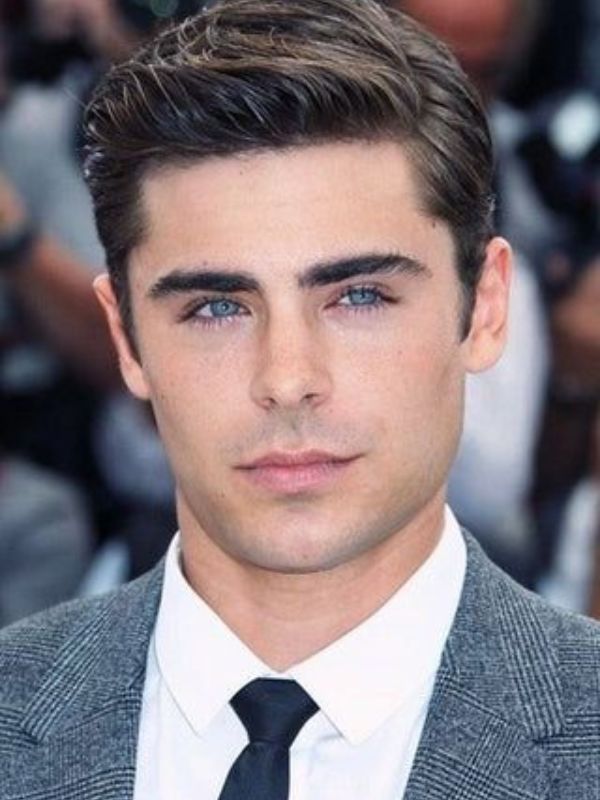
This bolder take adds extra length and volume to the top section, which can be brushed back, tousled, or worn in soft waves. It is best suited to confident men who do not mind a little extra time spent styling each morning.
8. Short Ivy League with Hard Part
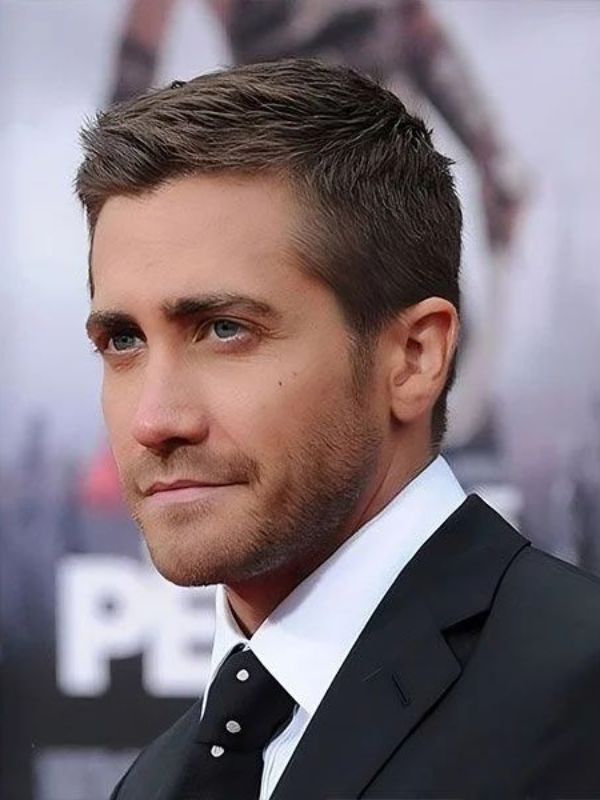
A hard part is a thin, shaved line that separates the top section from the sides, making the part look crisp and deliberate. Combined with a short, scissor cut top, this version is sharp, traditional, and easy to maintain.
9. Brushed Up Ivy League
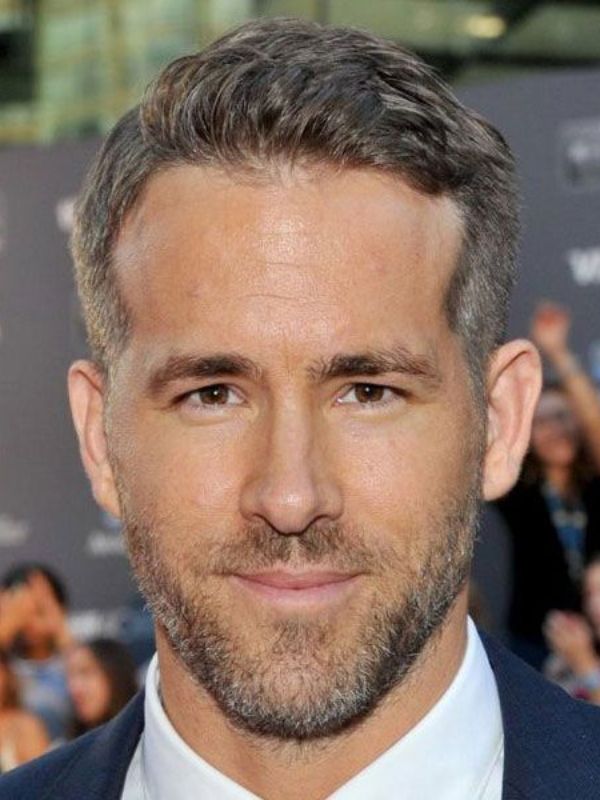
Instead of a side part, the front section is blow dried and brushed straight up for added height and volume. This creates a slightly retro look that works particularly well for men who want extra lift without going full pompadour.
10. Side Swept Ivy League with Low Taper
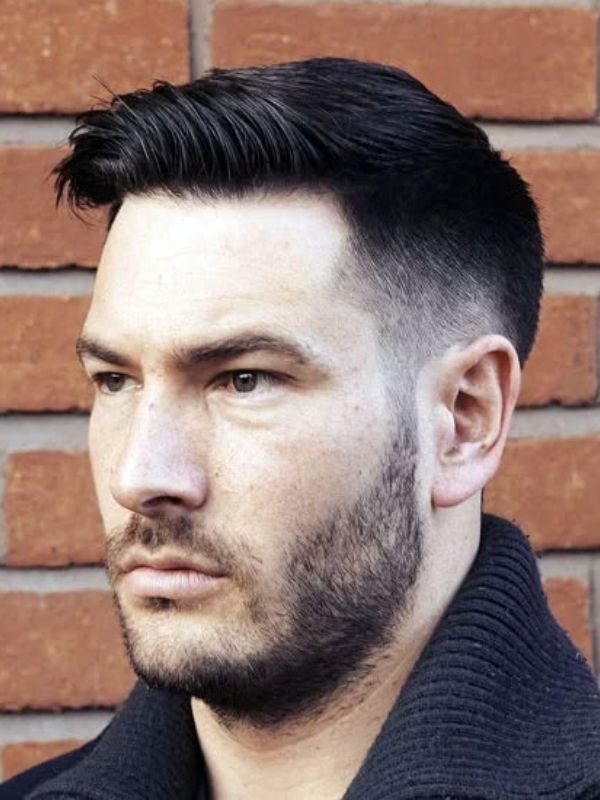
The hair on top sweeps gently to one side while the sides taper low and subtly. This combination feels polished without looking severe, making it a great everyday option for office environments.
11. Ivy League Undercut
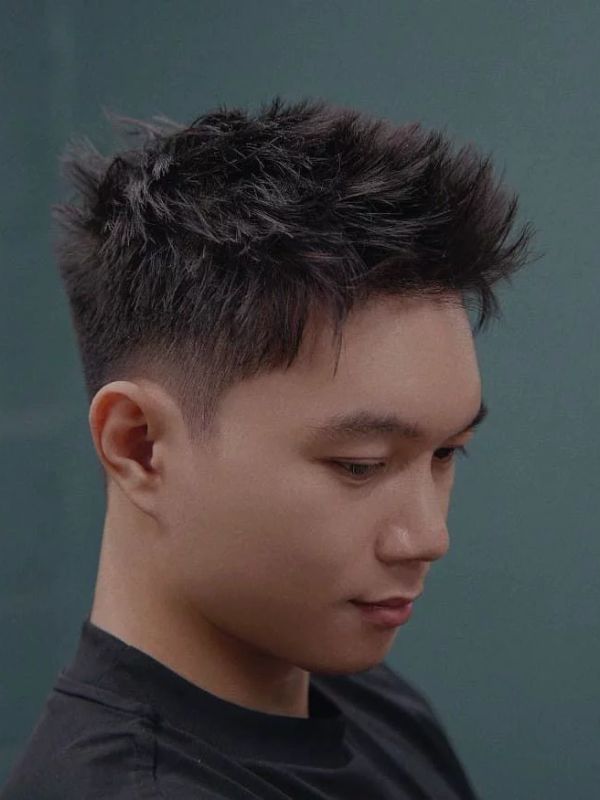
This pairing combines a very short, buzzed undercut on the sides with noticeably longer hair on top. The contrast is sharper than a standard taper, giving the cut a bold, modern edge while still keeping the collegiate shape on top.
12. Ivy League Pompadour
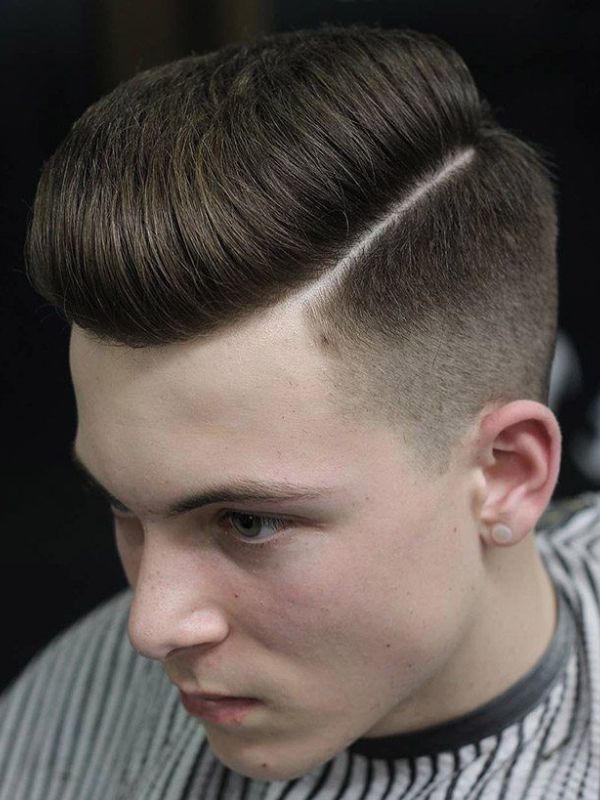
By keeping the classic short sides and back but allowing extra length on top, this version lets the front hair be combed upward and back into a structured pompadour. It is a stylish way to add more drama to the traditional Ivy shape.
13. Wavy Ivy League with Taper
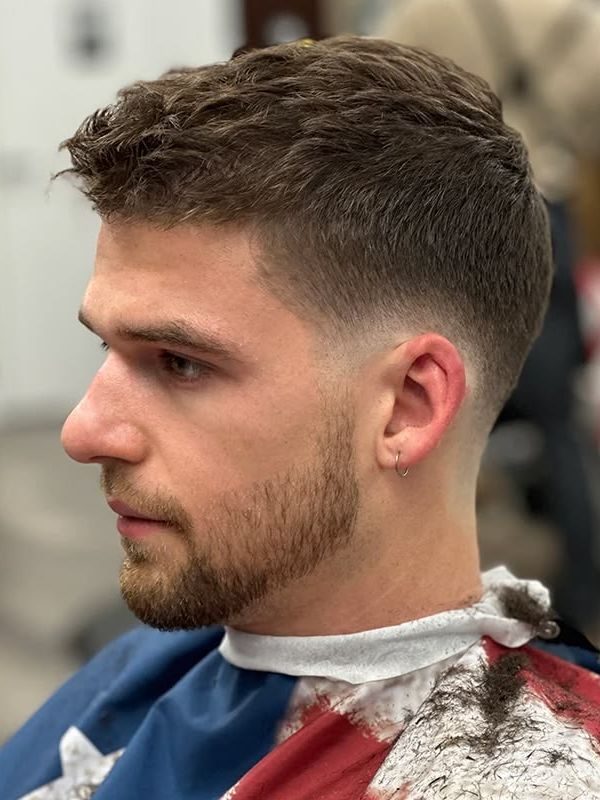
Natural waves are left slightly longer on top to show off their texture, while a clean taper keeps the sides under control. A sea salt spray or light mousse helps enhance the wave pattern without making it look frizzy.
14. Ivy League with Fringe
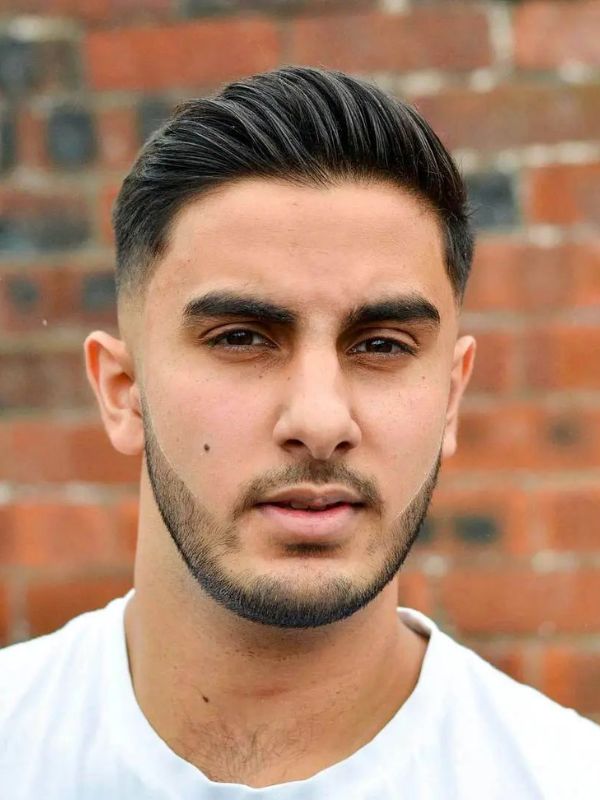
A soft, layered fringe falls across the front of the head, adding a casual element to the otherwise neat cut. It strikes a nice balance between smart styling and effortless, everyday coolness.
15. Messy Ivy League Look
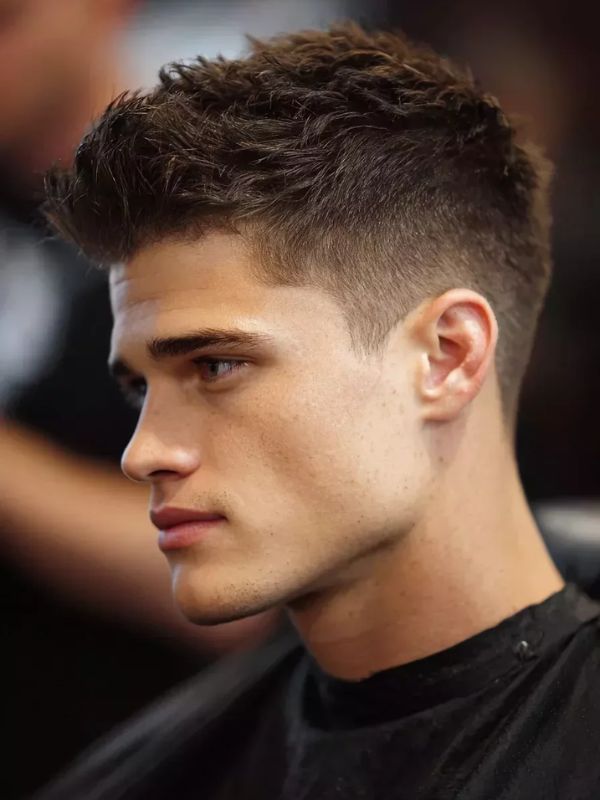
This relaxed twist keeps the sides short and blended while the top is left longer and styled with fingers rather than a comb. A texture powder or matte paste gives it lift and a deliberately undone finish.
16. Ivy League for Thinning Hair
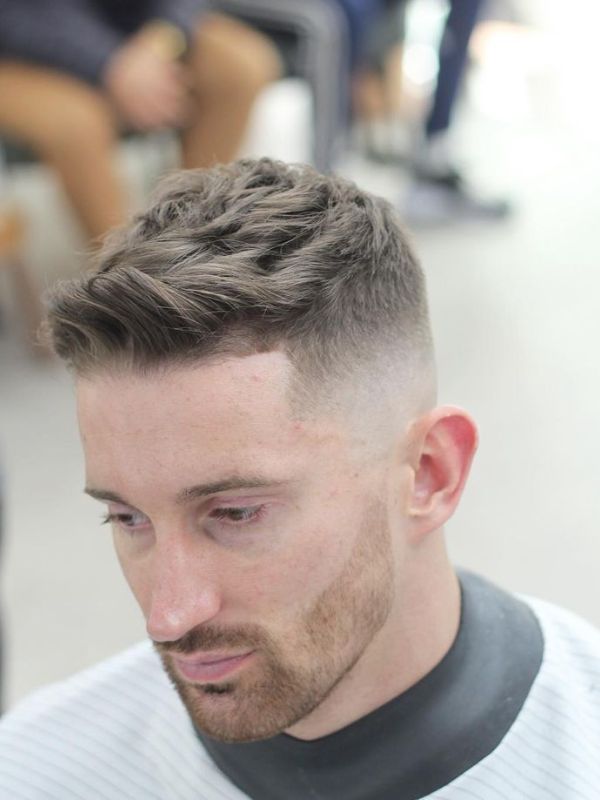
Short, neat sides draw attention away from a thinning crown, while a slightly longer, volumized top creates the illusion of fuller hair. A side part adds further structure and helps the style look fuller from every angle.
17. Ivy League for Round Faces
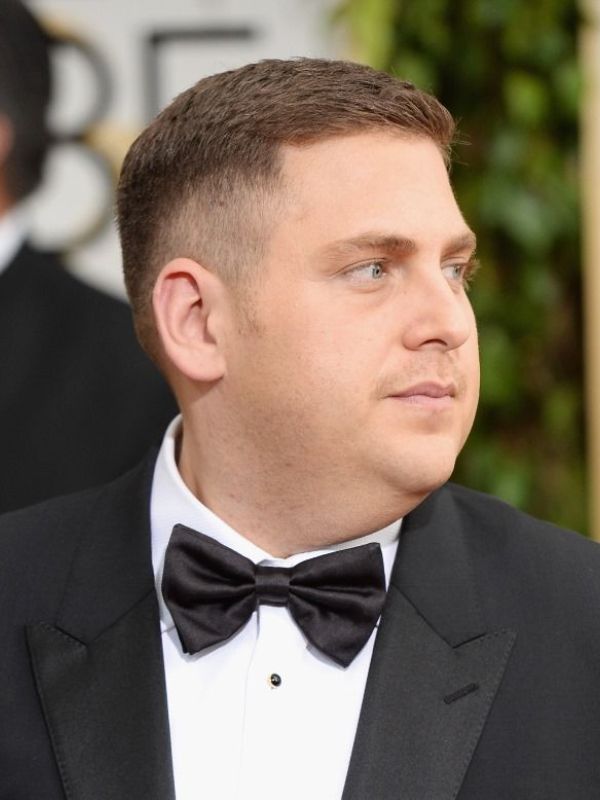
For rounder face shapes, height on top and a defined side part help elongate the face visually. Keeping the sides close and avoiding extra width is the key detail that makes this version so flattering.
18. Ivy League for Asian Hair
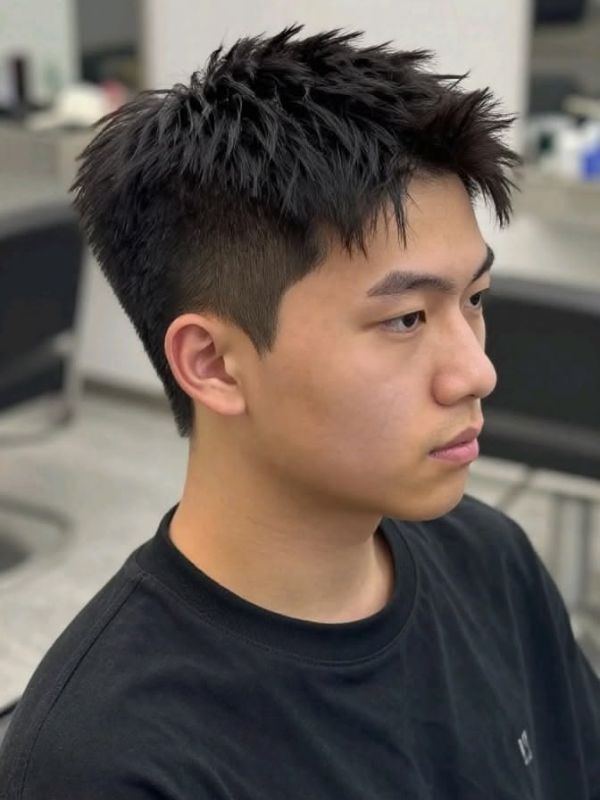
Asian hair tends to be thick and straight, which actually holds the Ivy League shape very well. Asking your barber to thin the top slightly prevents it from sitting too heavy, and a lightweight pomade keeps everything in place without added bulk.
19. Low Maintenance Ivy League
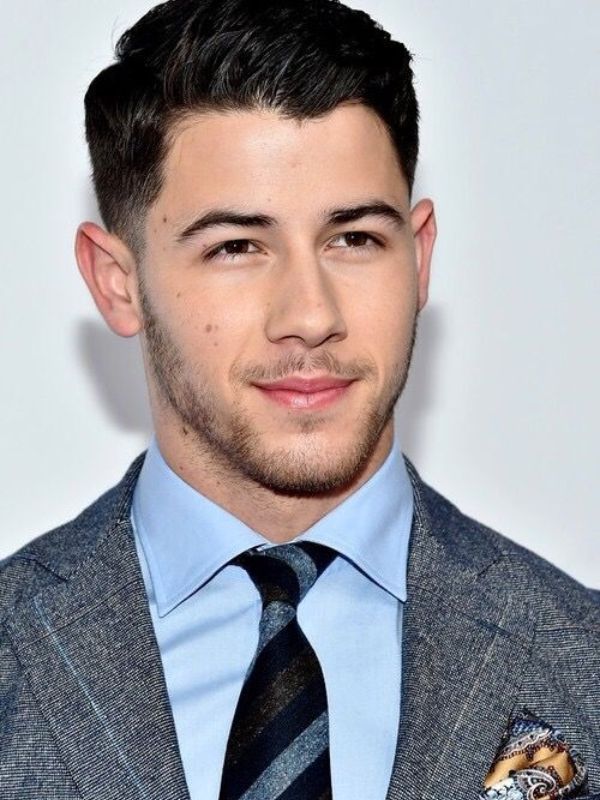
Short, faded sides blend smoothly into a neatly trimmed top with light, natural texture. This version is built for men who want a clean look without spending much time on daily styling.
20. Ivy League with Beard
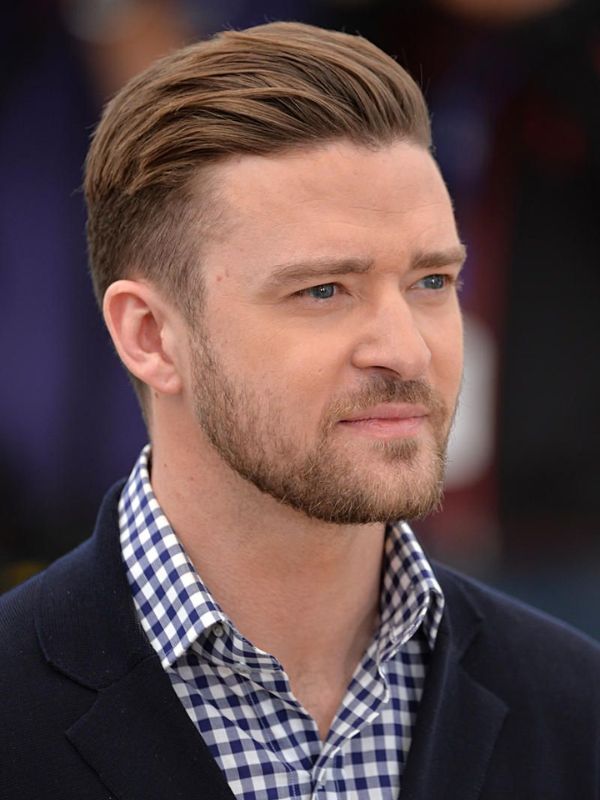
Pairing the crisp lines of an Ivy League cut with a well groomed beard creates an appealing contrast between neatness and ruggedness. Whether you keep a short stubble or a fuller beard, the combination reads as masculine and intentional.
21. Military Ivy League Haircut
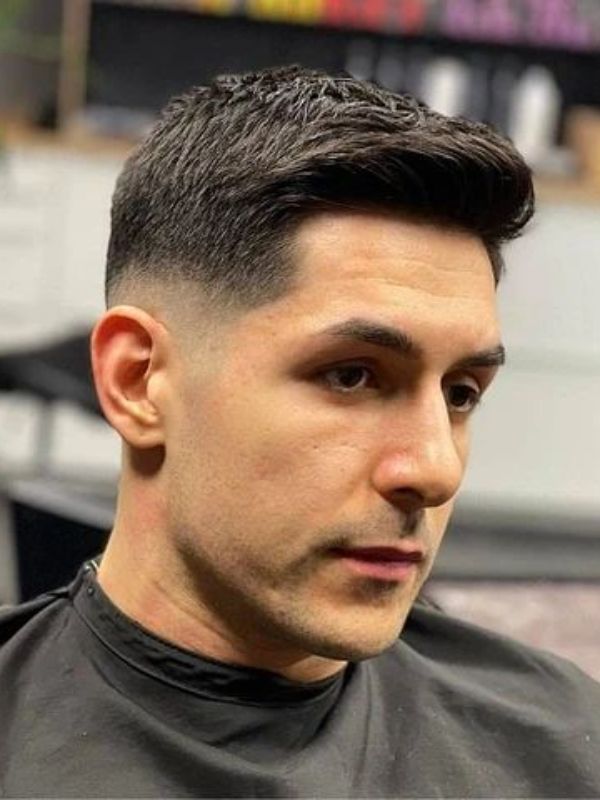
Inspired by classic military grooming standards, this version is shorter and tighter than most other Ivy League variations, with closely faded sides and just enough length on top to style. It delivers a disciplined, no nonsense appearance.
22. Ivy League Comb Over
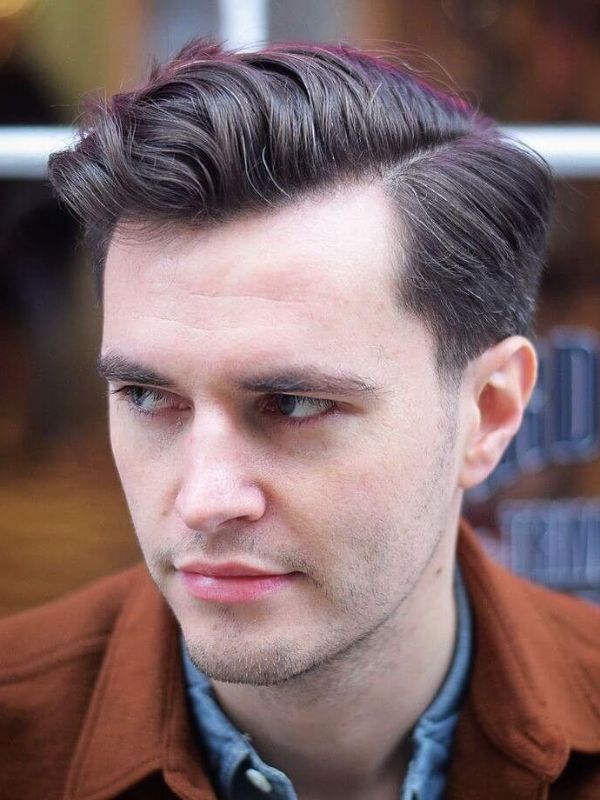
The longer top hair is combed across the head with a defined part, creating a preppy, polished finish. Done correctly, it looks sharp and controlled, with every strand falling exactly where it should.
23. Ivy League Haircut Kids
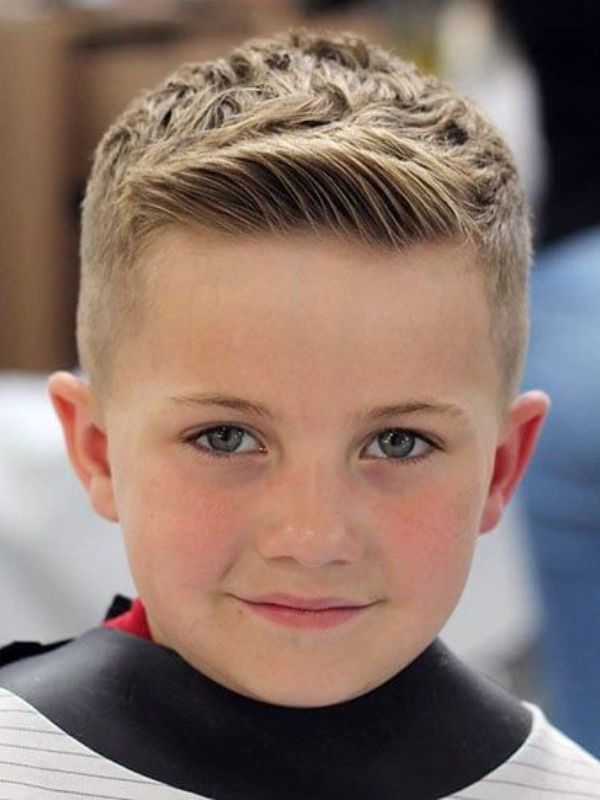
A scaled down version of the classic cut works beautifully for boys and teens. The sides taper neatly while the top holds soft volume, giving younger guys a clean, age appropriate style that is easy for parents to maintain between trims.
24. Ivy League Haircut Korean
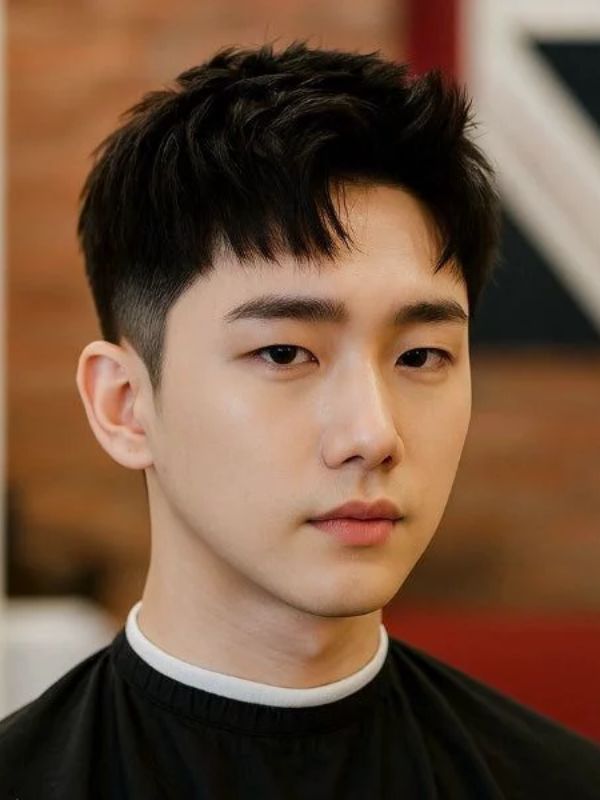
Popularized by K drama actors and K pop idols, this softer take blends gentle volume with a clean structure. The longer top layers flow naturally while the sides stay neat, creating a youthful look that enhances facial balance.
25. Ivy League Haircut Asian
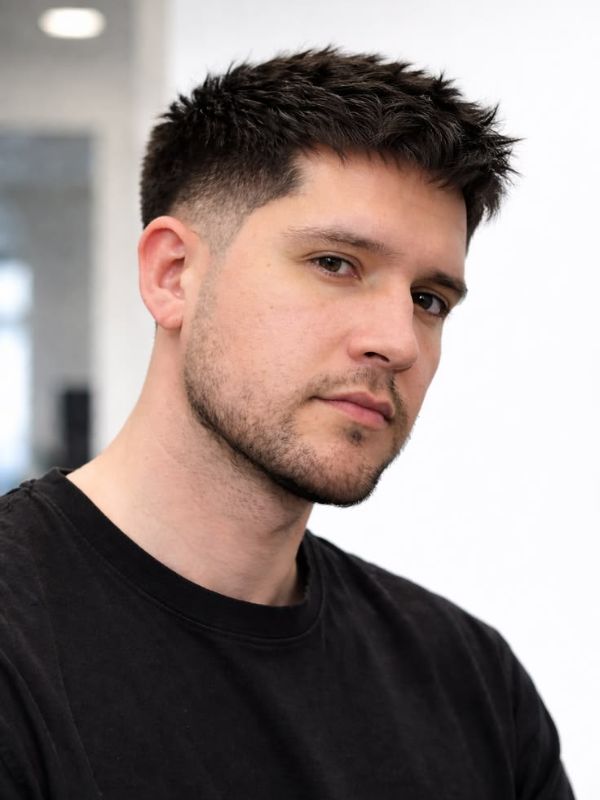
This version leans into the natural thickness of Asian hair by combining clean geometry on top with closely faded or neatly tapered sides. The result accentuates strong facial features with a polished, sleek finish.
Ivy League Haircut vs Other Popular Styles
It helps to see how the Ivy League cut stacks up against other well known men’s hairstyles before you sit in the barber chair. The table below breaks down the main differences.
| Comparison | Ivy League Haircut | Other Style |
| Ivy League vs Crew Cut | Longer top, more styling freedom | Crew cut keeps top very short and uniform |
| Ivy League vs Fade Cut | Focuses on top length and shape | Fade focuses on gradual blending of sides |
| Ivy League vs Pompadour | Shorter sides, smaller top volume | Pompadour needs more length and height on top |
| Ivy League vs Taper Cut | A complete style with defined top shape | Taper refers only to how the sides are cut |
Ivy League vs Crew Cut
Both cuts share short, military inspired sides, but the Ivy League leaves significantly more length on top, typically between one and a half and two and a half inches. That extra length means more styling options, including a side part or light texture, while a crew cut stays short and low effort all over.
Ivy League vs Fade Cut
A fade is really just a way of cutting the sides, where the hair blends gradually from skin to longer lengths. The Ivy League haircut can include a fade on the sides, but the style itself is defined by what happens on top, not just how the sides are finished.
Ivy League vs Pompadour
A pompadour calls for considerably more length and volume on top so the hair can be swept upward and back into a tall shape. The Ivy League keeps things more conservative, with shorter sides and a top that is styled rather than dramatically lifted.
Ivy League vs Taper Cut
Taper is a cutting technique, not a full hairstyle. It describes how hair gradually shortens from top to bottom around the sides and back. The Ivy League haircut frequently uses a taper on the sides, but it also includes specific guidance on top length and shape that a generic taper cut does not define.
Why the Ivy League Style Remains a Top Choice?
Few men’s hairstyles have stayed relevant for as long as the Ivy League cut, and there are clear reasons why.
- It works for almost every occasion, from formal interviews to relaxed weekend outings.
- It requires minimal daily upkeep once the cut itself is done correctly.
- It looks professional and polished, which makes it a favorite in corporate and academic settings.
- It adapts to nearly any face shape, hair type, and texture, including straight, wavy, curly, and coarse hair.
- It allows personal expression through small changes like a fringe, a fade, or added texture, without losing its signature structure.
This combination of versatility, ease, and timeless appeal is exactly why barbers continue to recommend it and why it consistently ranks among the most searched men’s haircuts year after year.
How to Ask Your Barber for an Ivy League Haircut?
Read This: Soccer Player Haircuts: 36 Trending Styles for 2026
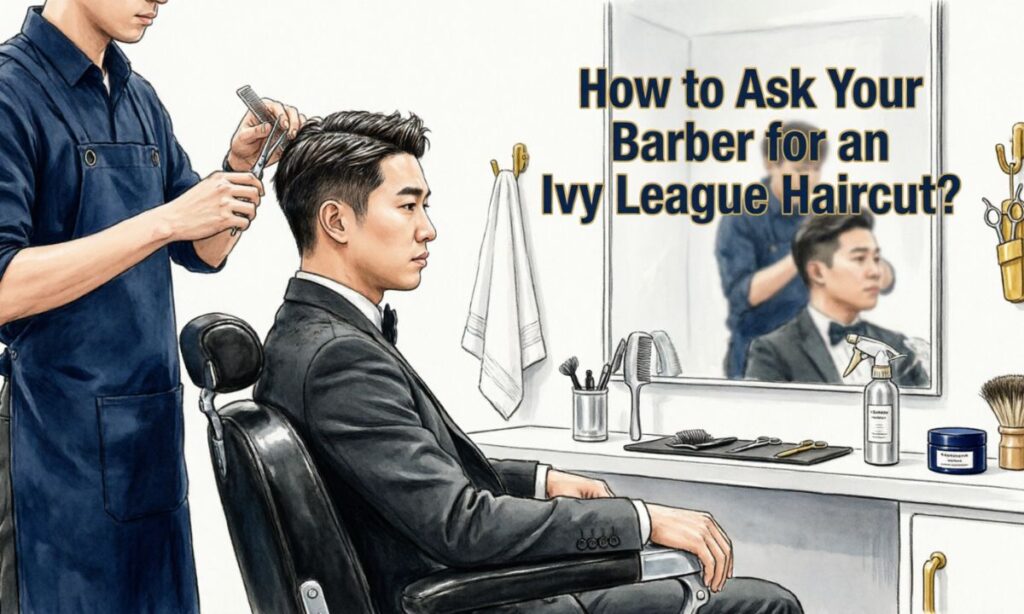
Walking into a barbershop without the right words can lead to a cut that misses the mark. Use these tips to get exactly what you want.
- Tell your barber you want an Ivy League haircut, and mention it is also known as the Princeton cut or Harvard clip in case that terminology is more familiar to them.
- Specify how short you want the sides, whether that is a taper, a low fade, a mid fade, or a high fade.
- Ask for one to three inches of length on top, depending on whether you prefer a classic look or something with more volume.
- Mention whether you want a hard part, a soft side part, or no defined part at all.
- Bring a reference photo if possible, since visual examples help avoid any miscommunication about texture or length.
- If you have curly or coarse hair, ask the barber to thin the top slightly so it does not sit too heavy once styled.
How to Style an Ivy League Haircut at Home?
Once you have the cut, styling it at home is straightforward as long as you have the right products and a simple routine.
Styling Products You’ll Need
- A lightweight pomade or matte clay for hold and definition
- A blow dryer for adding lift and shaping the top section
- A wide tooth comb for creating a clean part
- A texture powder or sea salt spray if you have wavy or curly hair
- A small amount of styling cream for a softer, more natural finish
Step by Step Styling Guide
- Start with damp, towel dried hair rather than fully wet hair for better product control.
- Apply a small, coin sized amount of pomade or cream evenly through the top section.
- Use a blow dryer on a medium setting and lift the roots with your fingers or a comb to build volume.
- Create your part, whether hard or soft, using a comb while the hair is still slightly warm from drying.
- Shape the front section by brushing it to the side, straight up, or slightly forward, depending on your chosen style.
- Finish with a light mist of hairspray if you want extra hold throughout the day.
Final Tips for Pulling Off the Ivy League Look
A few small habits will keep your Ivy League haircut looking fresh between barber visits.
- Schedule a trim every three to four weeks to maintain the contrast between the sides and the top.
- Avoid overloading your hair with product, since a small amount goes a long way with this style.
- Match your beard grooming to your haircut for a cohesive, intentional appearance.
- Choose a variation that suits your hair density rather than forcing a look that fights your natural texture.
- Communicate clearly with your barber every visit, since small changes in length can shift the entire shape of the cut.
Frequently Asked Questions
Is the Ivy League haircut still in style in 2026?
Yes, it remains one of the most requested men’s haircuts thanks to its versatility, low maintenance routine, and ability to suit almost any face shape or hair type.
How often should I get an Ivy League haircut trimmed?
Most men should book a trim every three to four weeks to keep the contrast between the short sides and the longer top looking sharp.
Does the Ivy League haircut work with curly hair?
Yes, curly hair holds this style well as long as the top is left slightly longer and finished with a curl cream or lightweight mousse for definition.
What products are best for styling an Ivy League haircut?
A lightweight pomade or matte clay works for most hair types, while a texture powder or sea salt spray suits wavy and curly textures.
Can the Ivy League haircut suit a round face?
Yes, adding height on top and keeping the sides close helps elongate a round face and creates a more balanced, flattering shape.
What is the difference between an Ivy League haircut and a crew cut?
The Ivy League leaves noticeably more length on top for styling, while a crew cut keeps the entire top short and uniform.
Conclusion
The Ivy League haircut has stayed popular for decades because it gets the basics right. It is sharp without being severe, low maintenance without looking careless, and flexible enough to suit almost any man, regardless of hair type or face shape. Whether you choose the timeless classic version, a modern textured take, or a bold fade variation, this cut offers a dependable foundation you can build your personal style around. Bring this guide to your next barber appointment, pick the version that fits your lifestyle, and enjoy a haircut that looks just as sharp on a Monday morning as it does on a Saturday night out.
