

Walking into the office, a client meeting, or a job interview with a sharp haircut changes how people respond to you before you say a single word. A professional haircut signals discipline, attention to detail, and confidence, and in 2026 the definition of “professional” has loosened up a bit. Rigid, product heavy styles are giving way to natural texture, soft tapers, and cuts that still read as polished without looking stiff.
This guide breaks down 30 of the best professional haircuts for men this year, organized by length and hair type, so you can find a style that fits your job, your face shape, and the amount of time you actually want to spend in front of a mirror each morning. Whether you work in finance, tech, law, or a creative studio, there is a cut here that will work for you.
We pulled these recommendations from current barbershop trends and what stylists are actually being asked for in the chair right now, not just what looks good in a single photo. Every entry below includes practical notes on upkeep, so you know exactly what you are signing up for before your next appointment.
Short Professional Haircuts for Men
Short hair remains the safest and most popular choice for office environments. It stays neat for weeks, needs almost no daily styling, and pairs well with every face shape. Here are nine short cuts barbers are recommending most often right now.
1. The Classic Taper
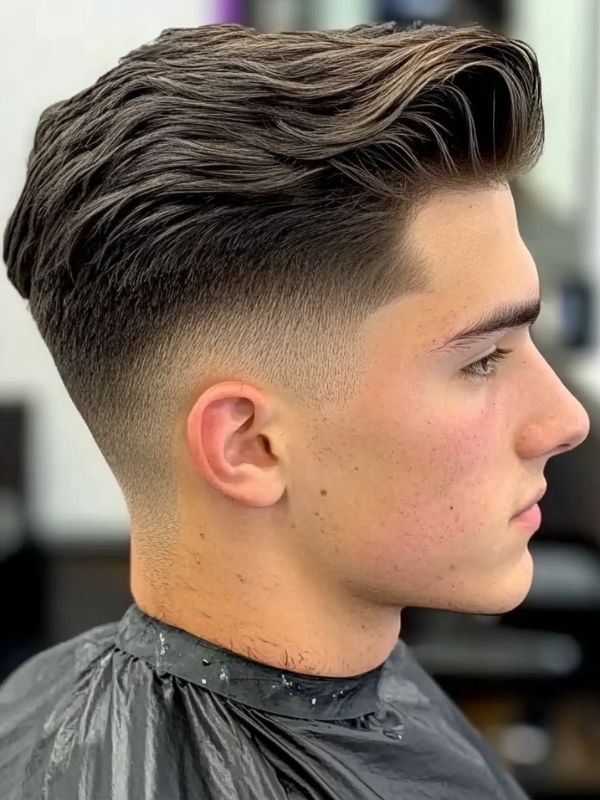
The taper is the foundation of nearly every professional haircut. Hair gradually shortens from the top down to the neckline and around the ears, with no harsh lines anywhere on the head. It works with a side part, a comb back, or simply combed forward, and it grows out cleanly between visits to the barber.
2. Crew Cut
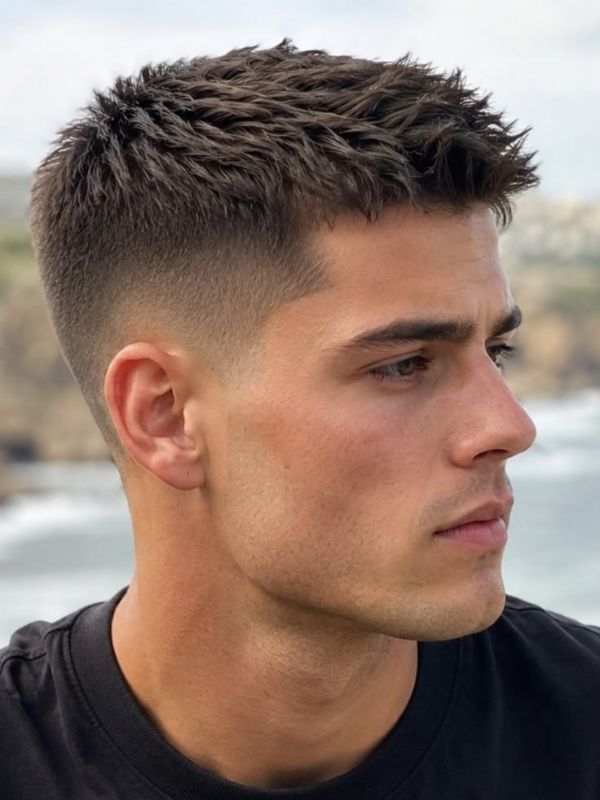
A timeless military rooted style with short, even length on top and tightly trimmed sides. The 2026 version often adds a subtle skin fade at the sides for extra sharpness. It is one of the lowest maintenance cuts available and suits nearly every hair texture, from straight to coarse.
3. Buzz Cut
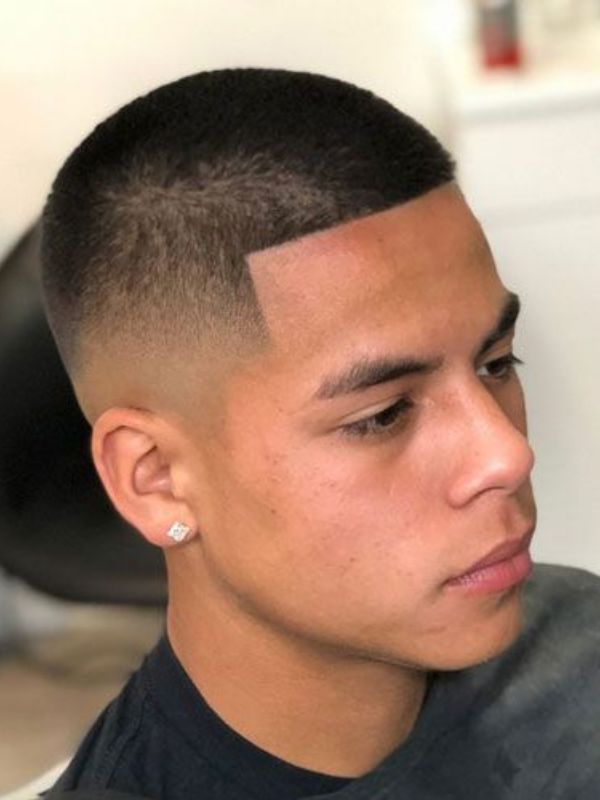
The ultimate no fuss option. Hair is clipped to a uniform length, usually between a number two and a number four guard, all over the head. It takes seconds to maintain at home, never looks messy, and works especially well for men with strong jawlines or thinning hair on top.
4. Ivy League

Often called the Harvard clip, this is a slightly longer crew cut that leaves enough length on top for a light side part or a quick comb through with fingers. It carries an academic, old money charm that reads as instantly trustworthy in conservative offices like banking and law.
Read This: Low Taper Fade: 20 Stylish Haircut Ideas for 2026
5. French Crop

Short, faded sides paired with a slightly longer fringe brushed forward toward the forehead. It is trendy enough to feel current but tidy enough for a boardroom. The French crop needs minimal product and barely any blow drying, which makes it ideal for busy professionals.
6. High and Tight
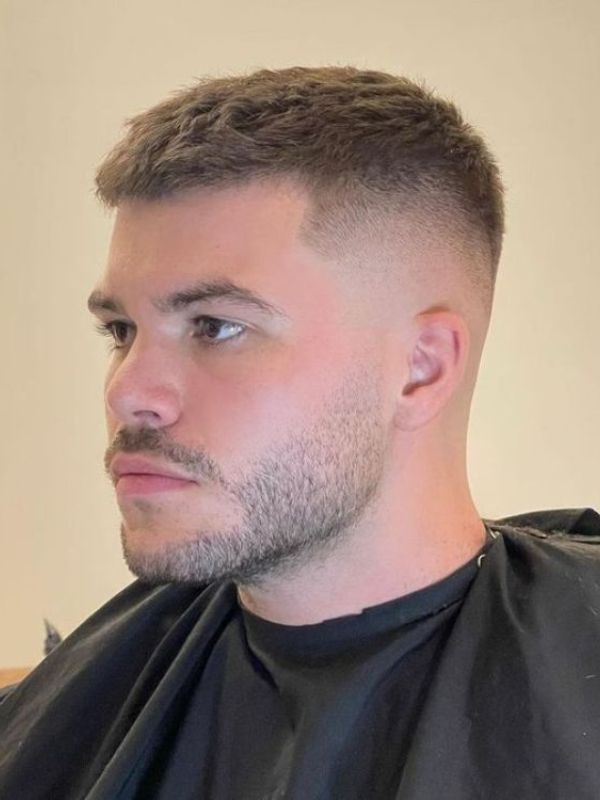
A bold, disciplined cut with extremely short sides that blend into a slightly longer top, often associated with military grooming standards. It projects authority and works particularly well for men in client facing roles who want a no nonsense appearance.
7. Textured Crop
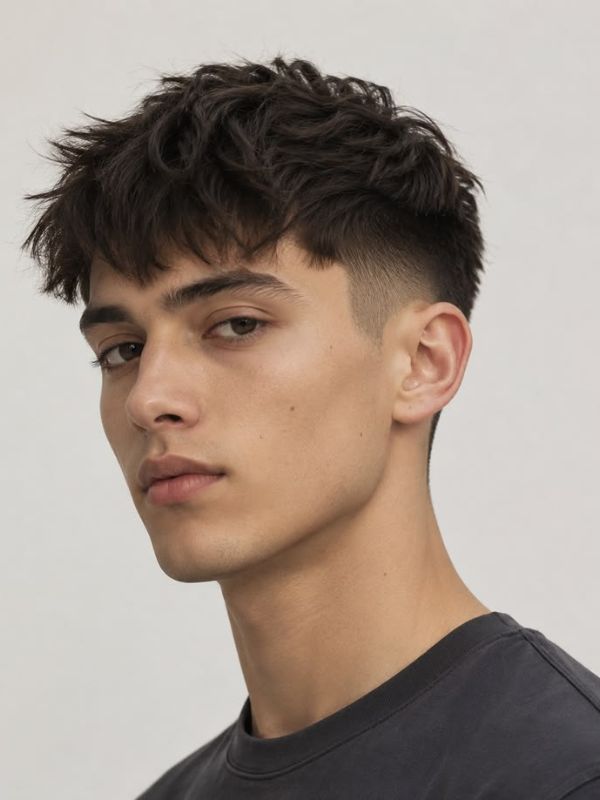
Short on the sides with choppy, layered texture on top that adds dimension without looking unkempt. A light matte product gives it a natural, lived in finish rather than a slicked appearance. It is currently one of the most requested cuts in barbershops because it suits nearly every hair type.
8. Side Swept Crew Cut

A variation on the standard crew cut where the top is brushed and styled to one side instead of straight up. It softens the overall look and gives a touch of personality while still staying firmly within office appropriate territory.
9. Short Brush Up with Taper Fade

Hair on top is brushed upward and slightly forward using a light pomade, while the sides taper down to nearly nothing. It creates subtle height without the volume of a full pompadour, making it a great middle ground between conservative and contemporary.
Medium-Length Professional Men’s Hairstyles
Medium length hair, usually between three and six inches on top, gives you more room to create shape and movement while still looking tidy enough for client meetings. These styles take slightly more daily effort but offer more personality.
10. Comb Over with Taper
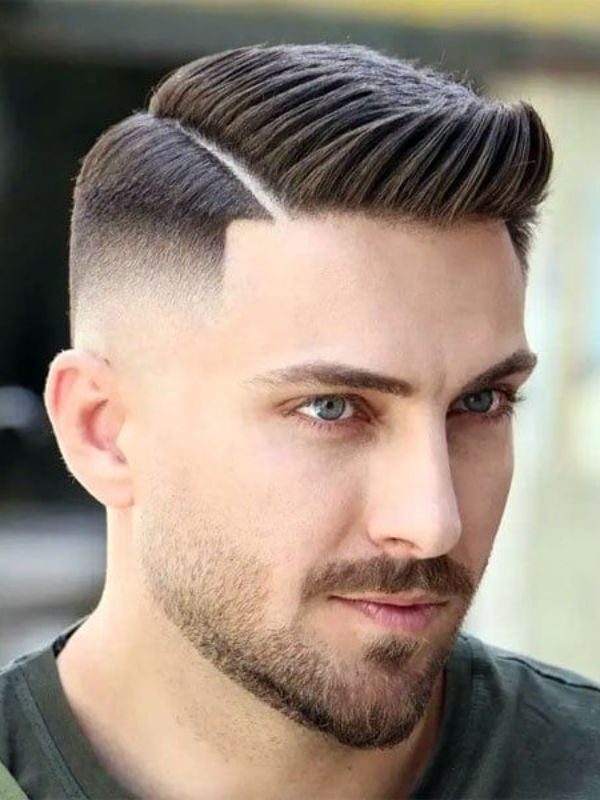
A classic side part with the hair swept across the head, paired with a tapered side rather than a hard fade. It is one of the most universally flattering professional cuts and adapts easily to thinning hair, since the longer top covers a receding hairline well.
11. Classic Side Part
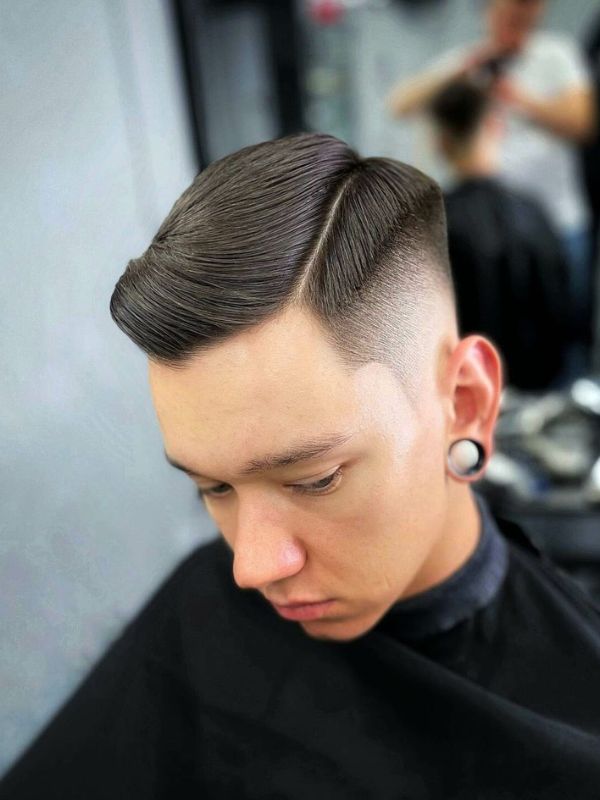
Hair is parted with a comb on one side and brushed neatly across the head using a light hold pomade. It is the standard issue corporate haircut and has barely changed in decades because it simply works for every industry and every age group.
12. Textured Quiff
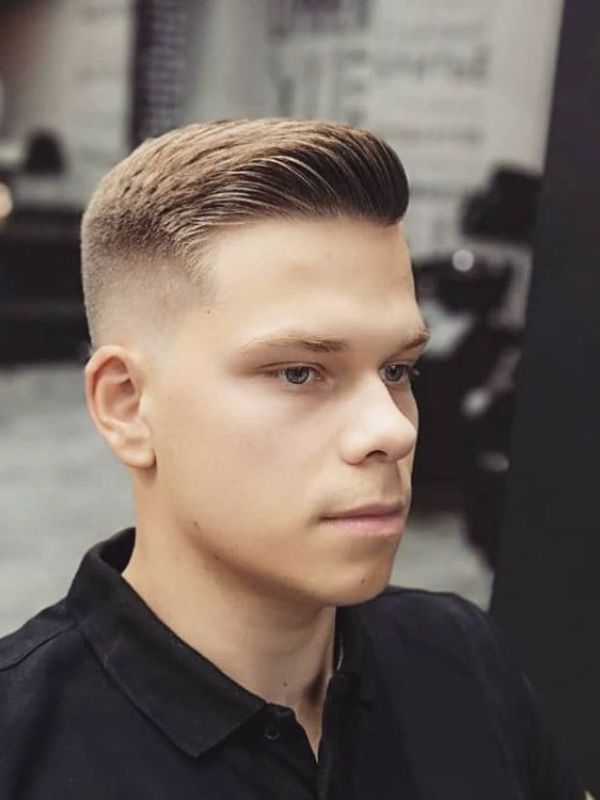
The front section of hair is pushed up and slightly back to create height, while the sides remain short and tapered. A texturizing paste keeps it looking natural rather than stiff. It adds a confident, polished edge that still feels modern.
13. Pompadour
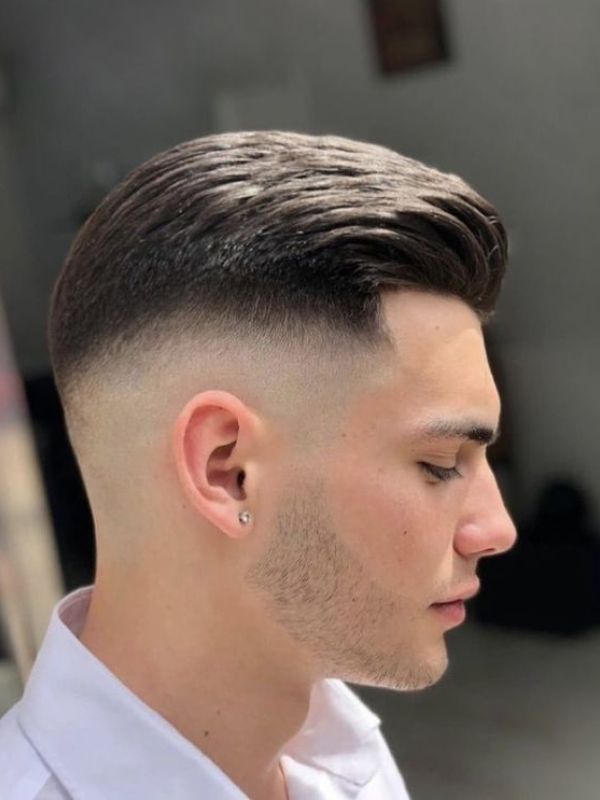
A bold style with significant volume swept upward and back from the forehead. The 2026 version trades the rigid, slicked Elvis look for a softer, more textured finish that requires a blow dryer and a strong hold product but rewards you with serious presence in a room.
14. Slick Back
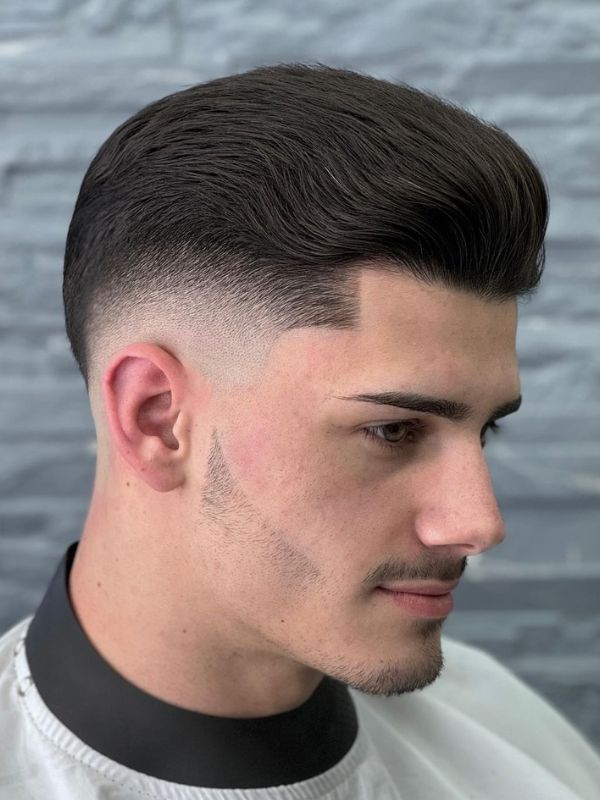
All the hair is combed straight back using pomade or gel for a sleek, glossy finish. It works particularly well for thicker hair and projects a confident, executive energy that suits law firms, finance, and formal events.
15. Mod Cut
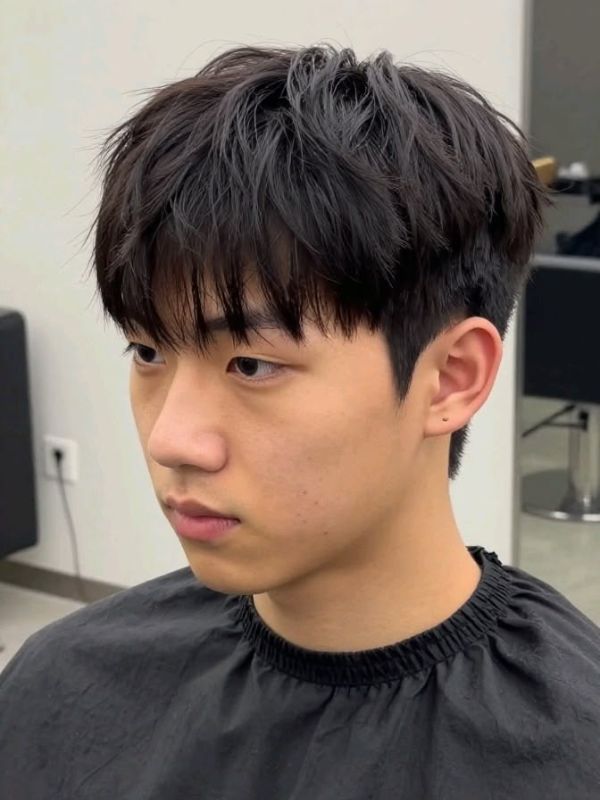
Inspired by sixties British style, the mod cut features a rounded fringe and slightly longer length all around with subtle layering. It is a refined alternative for men who want something a little different from the standard side part without straying too far from office norms.
16. Medium Flow Style
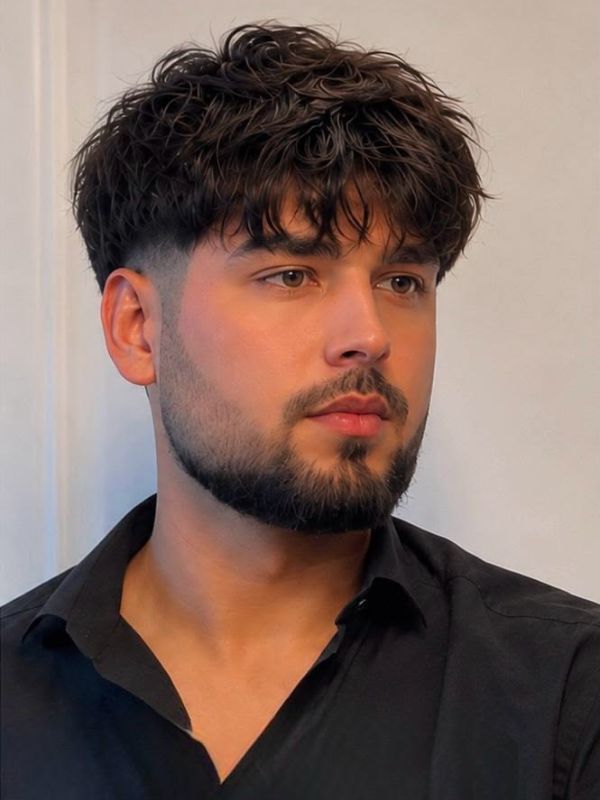
Hair is left to fall naturally with its own texture, brushed back or to the side without harsh styling. It works best with wavy or curly hair types and offers a relaxed yet groomed appearance that fits creative industries especially well.
17. Messy Brush Back (Clean Finish)
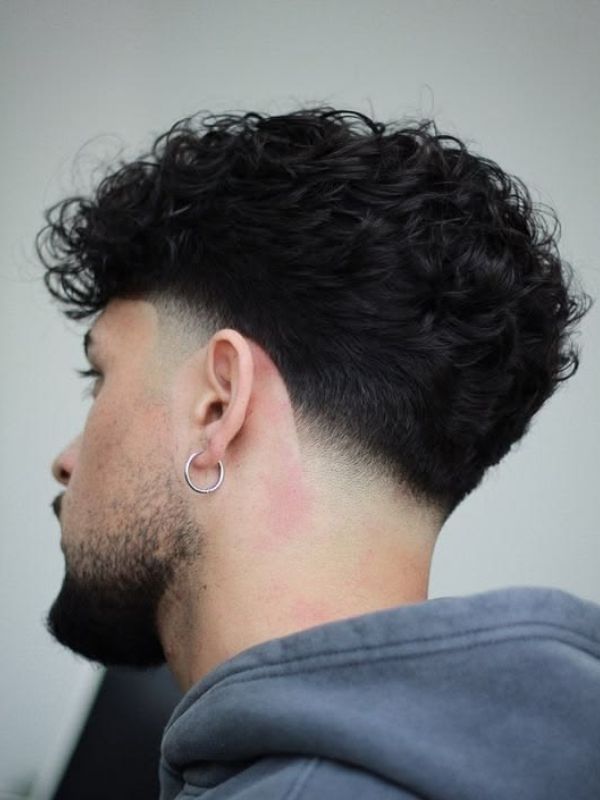
A controlled version of bedhead styling where hair is brushed back with fingers rather than a comb, using a light matte paste to keep flyaways down. It looks effortless while still being intentional, which is exactly the balance most modern offices appreciate.
Long Professional Haircuts for Modern Men
Long hair can absolutely work in professional settings as long as it is kept clean, controlled, and out of your face. These five styles prove that length and polish are not mutually exclusive.
18. Man Bun (Tidy Version)
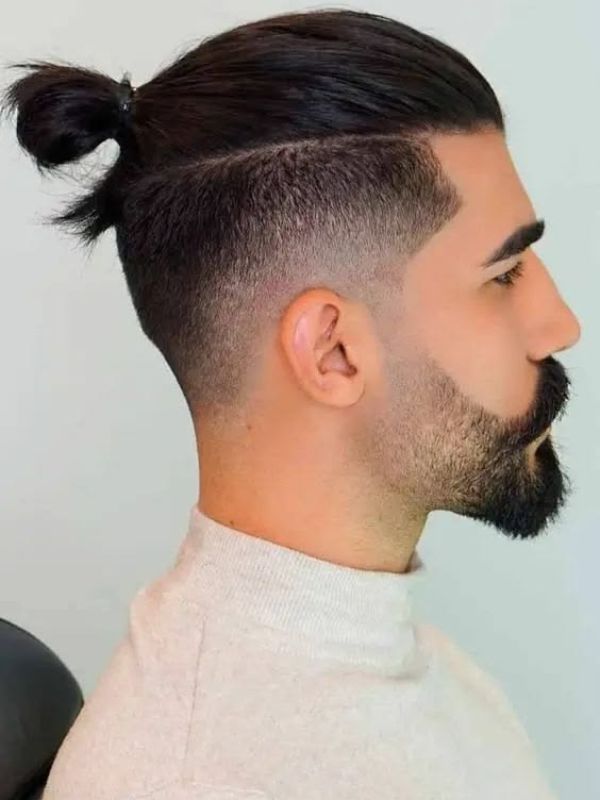
Hair is pulled back into a small, neat bun at the crown or nape of the neck. For office settings, keep the sides trimmed or faded so the overall silhouette stays sharp rather than shaggy, and avoid loose strands falling around the face.
19. Long Comb Over
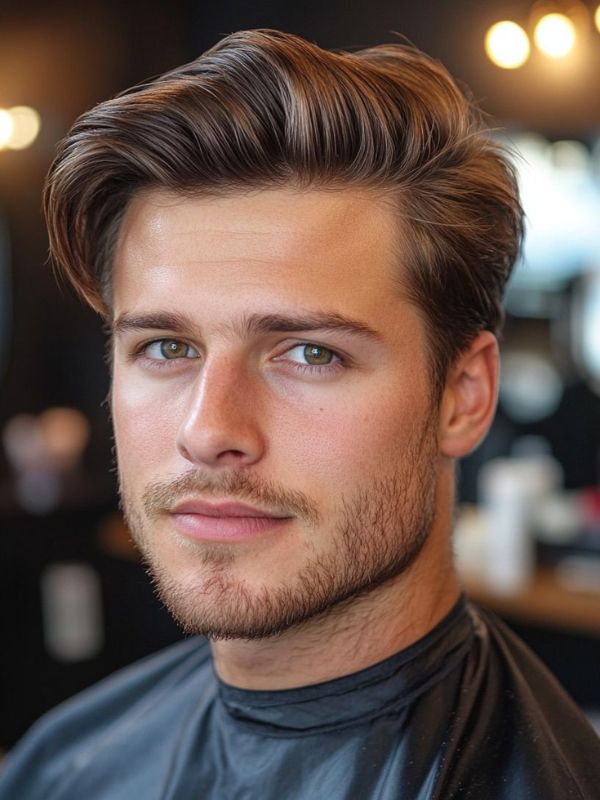
A longer take on the classic side part, with several inches of length swept across the head and held in place with a strong pomade. It suits men who want length on top while keeping the sides shorter and more conservative.
20. Shoulder-Length Waves

Natural waves left to fall around the shoulders, regularly trimmed to avoid split ends and frizz. This style works best in creative or relaxed work cultures where personal expression is welcomed, paired with consistent conditioning to keep it looking healthy rather than unruly.
21. Bro Flow (Groomed)

A surfer inspired, swept back style with natural movement and no visible part. The professional version skips the messy, unwashed look in favor of clean lines around the ears and neckline, with light product to control frizz.
22. Half-Up, Half-Down

The top section of hair is tied back while the rest is left loose, keeping hair off the face during meetings while still showing off length. It works well for men transitioning to longer hair who are not ready for a full ponytail or bun at work.
Best Haircuts for Specific Hair Types
The right haircut is only “professional” if it actually works with your natural texture. Forcing a style onto the wrong hair type usually means daily frustration and a haircut that falls apart by lunchtime.
23. Professional Haircuts for Curly Hair

Curly hair looks best with cuts that work with the curl pattern instead of against it, such as a curly crop, taper with natural curls left longer on top, or a curly fringe. Ask your barber to cut curl by curl rather than cutting hair while it is stretched straight, since curls spring up shorter once dry.
24. For Wavy Hair
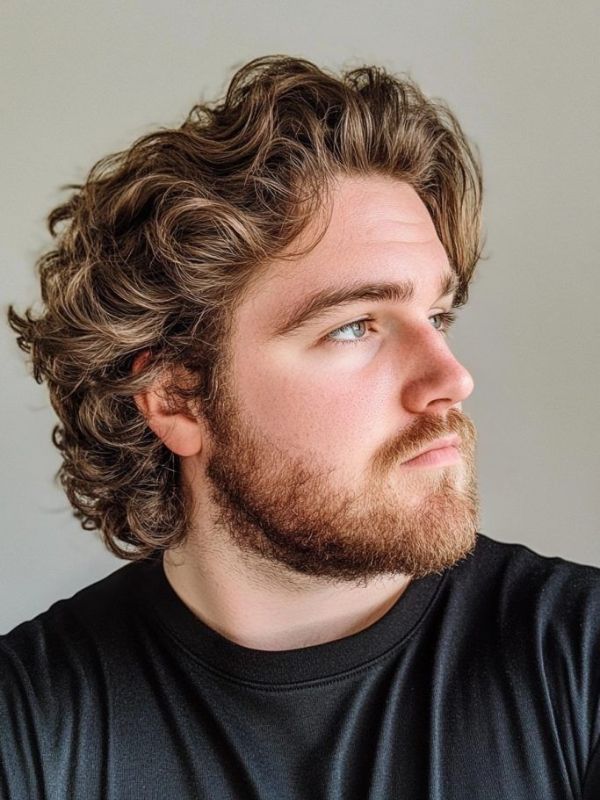
Wavy hair has natural texture that suits medium length cuts like the textured crop, quiff, or medium flow style. A sea salt spray or light cream enhances the wave pattern without weighing it down, giving a polished yet natural finish.
Short professional haircuts male

The most reliable short professional options are the crew cut, classic taper, buzz cut, and French crop, since all four require minimal daily styling and hold their shape for weeks between trims.
Professional haircuts for men medium length
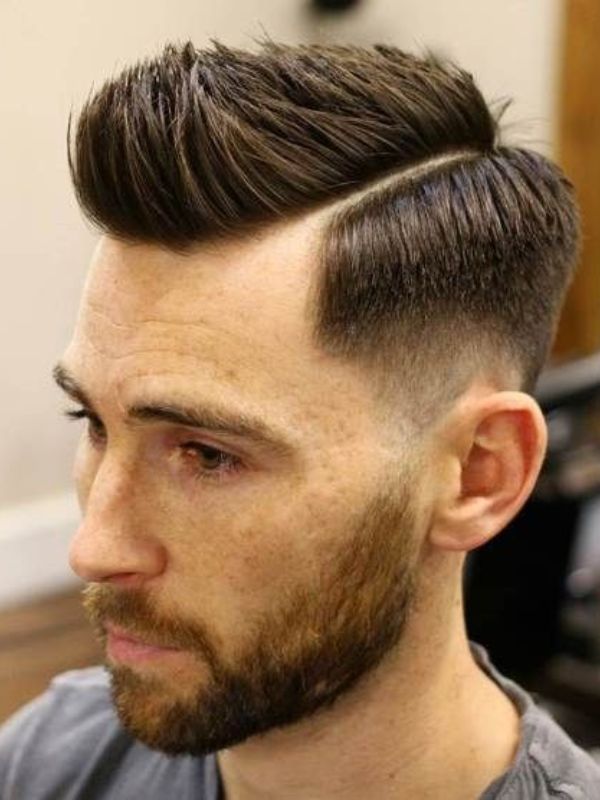
For medium length hair, the classic side part, textured quiff, and slick back remain the top choices, balancing easy maintenance with a polished, office ready finish.
25. For Thin or Thinning Hair

Shorter cuts generally look fuller on thinning hair because they reduce the visible contrast between scalp and strands. The crew cut, buzz cut, and textured crop are strong choices, while heavy fringes or long combed over sections tend to highlight thinning rather than hide it.
26. For Straight Hair
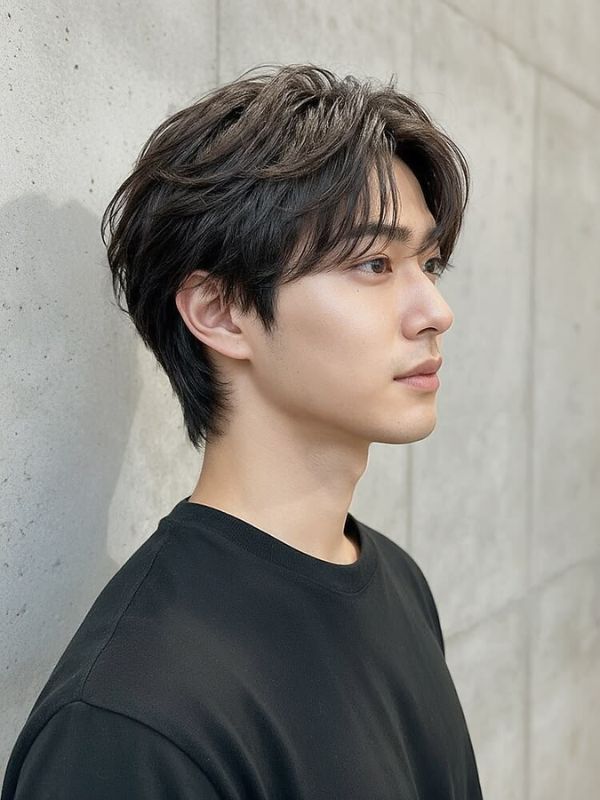
Straight hair holds clean lines exceptionally well, making it ideal for the classic side part, slick back, and high and tight. A light pomade or clay gives just enough texture to avoid a flat, overly polished look.
27. For Receding Hairlines
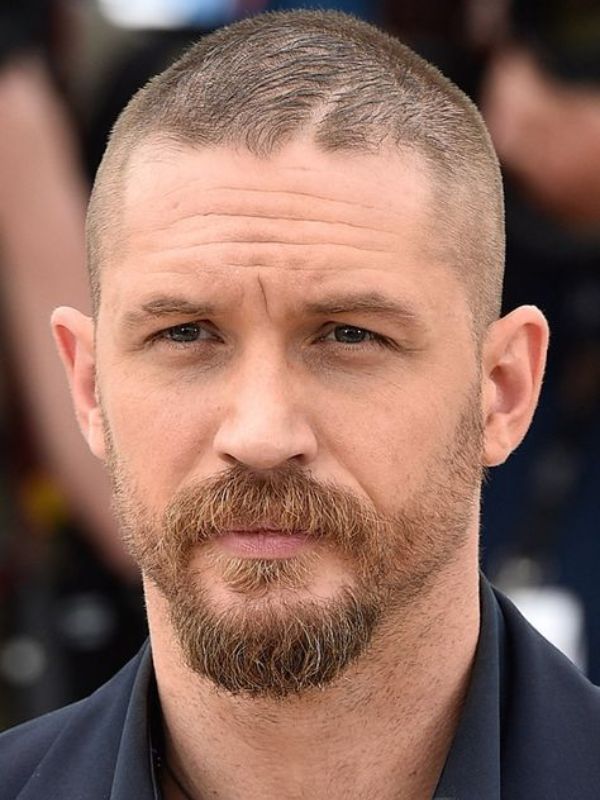
A textured crop, buzz cut, or crew cut with a slightly longer top draws attention away from the hairline rather than emphasizing it. Avoid long fringes that fall flat against a receding hairline, since they tend to make the recession more obvious rather than less.
What Makes a Haircut “Professional” for Men?
Not every popular haircut belongs in a corporate setting, even if it looks great on social media. Understanding what separates a professional cut from a purely trendy one will help you avoid an awkward conversation with HR.
1. Traits of a Professional Haircut
Most professional haircuts share a handful of common traits:
- Clean, defined edges around the ears, neckline, and hairline
- Controlled length that stays in place without constant adjustment
- A finish that looks intentional rather than undone
- Compatibility with formal attire like suits and collared shirts
- Low daily maintenance so the style holds up through a full workday
2. Workplace-Appropriate vs. Trendy Styles
Trendy cuts often involve extreme contrast, bold shaved designs, or unconventional colors that draw attention for the sake of standing out. Workplace appropriate styles, by contrast, prioritize neatness and subtlety. A textured crop or soft taper can absolutely look current without crossing into territory that feels out of place in a formal meeting.
3. Matching Haircuts to Industry & Work Culture
What counts as professional varies quite a bit depending on where you work.
| Industry | Recommended Styles | Why It Works |
| Finance and Law | Classic side part, Ivy League, slick back | Conservative, polished, signals reliability |
| Tech and Startups | Textured crop, quiff, French crop | Modern but still neat for client calls |
| Creative Fields | Medium flow, man bun, mod cut | Allows more personal expression |
| Healthcare | Crew cut, taper, buzz cut | Practical, hygienic, easy to maintain |
| Sales and Client Facing Roles | Comb over with taper, pompadour | Confident, memorable, approachable |
How to Choose the Right Professional Haircut for You?
The best haircut is the one that fits your face shape, your hair type, and the realities of your daily schedule, not just whatever looks good on a celebrity.
Face Shape Considerations (Oval, Round, Square, etc.)
Your face shape plays a major role in which cuts will genuinely flatter you.
| Face Shape | Best Haircuts | Styles to Avoid |
| Oval | Nearly everything works: crew cut, quiff, pompadour, textured crop | Heavy fringes that shorten the face |
| Round | Pompadour, quiff, high fade for added height | Full, rounded styles with no height |
| Square | Buzz cut, side part, French crop | Excess bulk on the sides |
| Heart | Side swept styles, medium layers | Styles that widen the forehead further |
| Long or Rectangular | Side part with volume, textured crop | Very tall, vertical styles |
A quick way to check your face shape is to trace its outline in a mirror using a bar of soap or eyeliner, then compare the proportions of your forehead, cheekbones, and jaw.
Matching Style to Lifestyle & Job
Be honest about how much time you actually have each morning. A pompadour or slick back can look incredible, but both require a blow dryer, a comb, and several minutes of patience. If your routine is rushed, lean toward a taper, crew cut, or textured crop that looks finished straight out of the shower.
Think about your work environment too. If you spend most of the day on video calls, a style that holds its shape under studio lighting matters more than one that only looks good in person. If you travel often, a low maintenance cut that survives a long flight and a hotel shower will serve you better than something that needs daily product and a blow dryer to look right.
When to Ask for a Barber vs. a Stylist
Barbers typically specialize in clipper work, fades, and classic short cuts, making them the right choice for tapers, crew cuts, and buzz cuts. Stylists tend to have stronger training in cutting longer layers, texture, and color, so they are usually the better option for medium to long professional styles like a mod cut or shoulder length waves.
Maintenance & Styling Tips for a Professional Look
A great haircut only stays great with the right upkeep between barbershop visits.
Must-Have Hair Products for Men
A small, well chosen collection of products covers almost every professional style:
- Matte clay or paste for texture and a natural finish
- Pomade for slick backs and classic side parts
- Sea salt spray to enhance natural wave or texture
- Lightweight pre styler or heat protectant for blow drying
- Strong hold gel for pompadours and high volume looks
Daily Grooming Routine
A simple, repeatable routine keeps any professional cut looking sharp. Wash hair two to three times a week rather than daily to avoid stripping natural oils, apply a small amount of product to damp or towel dried hair, and use a comb or fingers to shape the style before it sets. Touching up with a comb at midday keeps things tidy through long workdays.
On non wash days, a light spritz of water or dry shampoo can refresh the style without flattening the texture you built that morning. Keep a small comb or travel size product in your desk or bag so a quick touch up before a meeting only takes a few seconds.
How Often to Get a Trim
Most men should plan on a trim every three to four weeks to keep edges sharp and the overall shape intact. Fades, buzz cuts, and other very short styles grow out faster and often need a touch up every two weeks, while longer styles can usually stretch to five or six weeks between visits.
Read This: Soccer Player Haircuts: 36 Trending Styles for 2026
Tools Every Man Should Own
A few basic tools make at home maintenance far easier:
- A quality comb for parting and shaping
- A boar bristle brush for distributing product evenly
- Small clippers or a trimmer for neckline and ear touch ups
- Sharp grooming scissors for trimming stray strands between cuts
Beard + Hair Combinations that Work
A well groomed beard should complement, not compete with, your haircut. Short fades pair naturally with a tight, defined beard, while a slick back or pompadour often looks best with either a clean shave or a short, neatly lined stubble. Keeping both your hair and beard on the same maintenance schedule, trimmed and edged together, creates a far more cohesive, professional appearance than treating them separately.
Final Thoughts
There is no single best professional haircut for every man. The right choice depends on your face shape, your natural hair texture, the culture of your workplace, and honestly, how much time you want to spend on your hair each morning. What matters most is precision. A clean taper, sharp edges around the hairline, and a style that holds up through a full workday will always read as professional, whether you are walking into a courtroom, a startup office, or a client dinner.
Think of your haircut as part of your overall presentation, alongside your wardrobe and grooming habits. A great cut paired with a tidy beard and well kept skin sends a consistent message of someone who pays attention to detail in everything they do, and that impression tends to follow you into every room you walk into.
Bring a few reference photos to your next appointment, talk through your face shape and daily routine with your barber, and do not be afraid to ask for small adjustments until the cut genuinely fits your life. The best haircut in 2026 is not the trendiest one. It is the one that makes getting ready in the morning easy and makes you feel like the sharpest person in the room.
